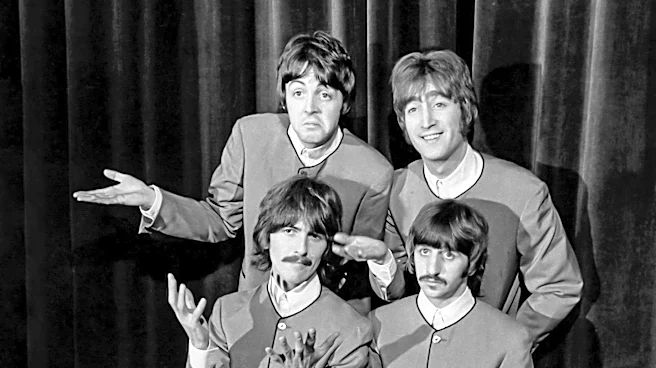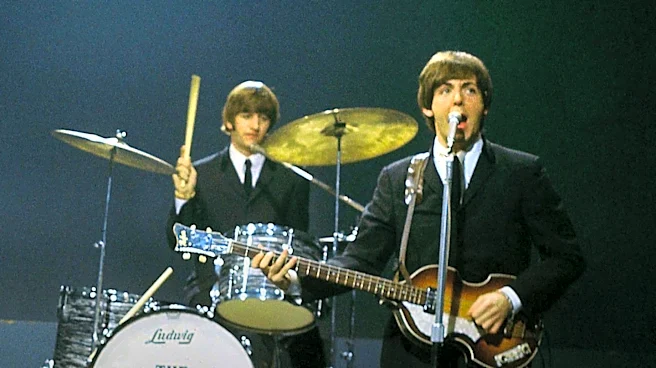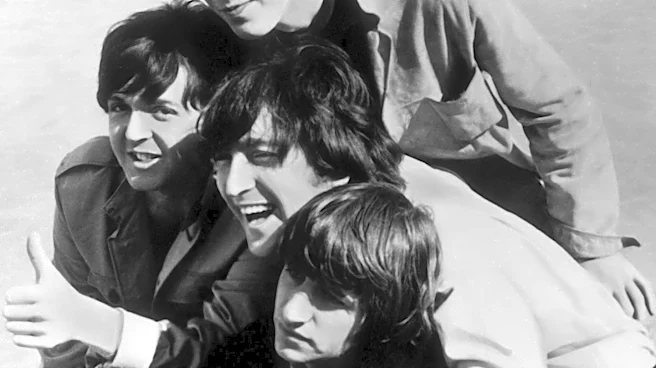



The Beatles' 1966 US tour, their third annual summer visit to America, proved to be a pivotal moment in the band's history, marking the end of their career as live performers. Following a series of increasingly challenging international engagements, including death threats in Tokyo and physical altercations in Manila, the band members had already begun to feel that their tours had become too large and complex for their manager, Brian Epstein, to effectively
handle. The subsequent controversies and incidents during the US leg of the tour only solidified their resolve, leading to a collective decision to abandon the grueling demands of live performance and focus instead on their studio work.
The Growing Disillusionment with Touring
Even before the 1966 US tour began, there were clear signs of the band's growing weariness with the touring lifestyle. Their world tour earlier that year had taken them through West Germany, Japan, and the Philippines, where they encountered significant difficulties. In Tokyo, the Beatles received death threats and were confined to their hotel suite, only allowed out for professional engagements. The situation escalated dramatically in Manila, where they were manhandled by citizens and military personnel due to a perceived slight against Filipino First Lady Imelda Marcos. These experiences were deeply unsettling and contributed to a sense of exhaustion and disillusionment among the band members.
George Harrison, in particular, was vocal about his fatigue. After the ordeal in Manila, when asked about the group's plans, he quipped, "We're going to have a couple of weeks to recuperate before we go and get beaten up by the Americans." This sentiment reflected a broader feeling within the band that the joy and purpose of live performance were being overshadowed by the chaos and danger of Beatlemania. The sheer scale of their fame had transformed concerts into events dominated by screaming fans and security concerns, making it increasingly difficult to focus on the music itself.
The Impact of the "Jesus Controversy" and Crowd Control Issues
The 1966 US tour was further marred by the intense backlash against John Lennon's "more popular than Jesus" remark. This controversy, which erupted just as the band arrived in Chicago, led to public record burnings, radio bans, and even threats from groups like the Ku Klux Klan. While Lennon issued an apology, the issue continued to dog the band throughout the tour, with reporters repeatedly questioning him about it, visibly exasperating all four Beatles. This constant external pressure added another layer of stress to an already demanding schedule.
Beyond the religious controversy, the tour was plagued by severe crowd control problems. At Cleveland's Municipal Stadium, over 2,000 fans broke through security barriers, forcing the band to halt their performance and seek shelter backstage for half an hour. This incident highlighted the physical risks and the overwhelming nature of their fame. In Memphis, despite threats and protests from the Ku Klux Klan and local conservative groups, the shows went ahead. During the evening performance, a lit firecracker thrown onto the stage caused the band to fear they were being shot at, underscoring the dangerous atmosphere they were performing in. These events reinforced the band's belief that touring had become unsustainable and too perilous.
The Final Concert and a New Direction
The culmination of these experiences led to the Beatles' decision to cease touring. Their final paid concert took place on August 29, 1966, at Candlestick Park in San Francisco. The event itself was not without its challenges; 7,000 tickets remained unsold, and the local production company incurred a loss due to the band's prearranged $50,000 fee and the expense of hiring an orchestra. Knowing this would be their last live performance, the band members took personal measures to commemorate the moment, bringing cameras and asking press officer Tony Barrow to make an audio recording.
After the show, the Beatles were quickly whisked away in an armored car to the airport. During the flight to Los Angeles, George Harrison reportedly declared, "That's it, then. I'm not a Beatle anymore." This statement, though perhaps made in the heat of the moment, reflected the deep exhaustion and desire for change within the group. Harrison later elaborated on the decision, stating, "We'd been through every race riot, and every city we went to there was some kind of a jam going on, and police control, and people threatening to do this and that... But there was a point where enough was enough." The end of touring allowed the Beatles to shift their focus entirely to studio recording, a move that would profoundly influence their musical evolution and the landscape of popular music.