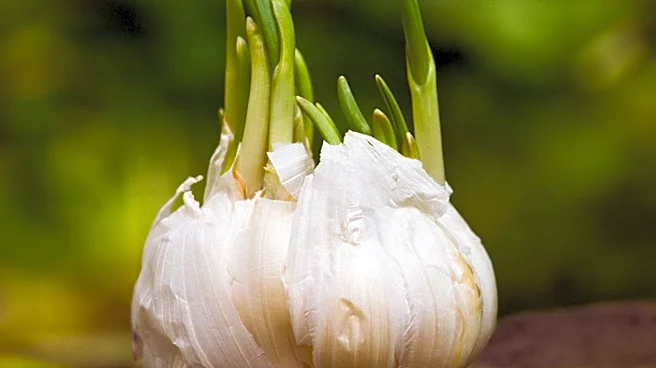








Garlic, or Allium sativum, is more than just a kitchen staple; it is a plant with a rich botanical lineage and cultural significance. This article explores the scientific classification of garlic and its journey from a native plant in Central Asia to a globally recognized ingredient.
Botanical Classification of Garlic
Garlic belongs to the genus Allium, which includes other well-known plants like onions, shallots, leeks, and chives. It is a species of bulbous flowering plants and is classified
under the family Amaryllidaceae. Within this family, garlic is part of the subfamily Allioideae, which encompasses various species known for their pungent flavors and culinary uses.
The scientific classification of garlic highlights its close relationship with other alliums, which share similar characteristics such as bulb formation and a strong aroma. This classification underscores the plant's evolutionary adaptations that have made it a successful and widespread species. The ability to form bulbs allows garlic to store nutrients and survive in various climates, contributing to its global cultivation.
Cultural Significance of Garlic
Garlic's cultural significance is as diverse as its culinary uses. It is native to Central Asia, northeastern Iran, and the foothills of the Himalayas, but it has naturalized in many parts of the world, including Mediterranean Europe and China. This widespread distribution is a testament to garlic's adaptability and its importance in various cultures.
In ancient times, garlic was known to the Egyptians and has been used for both culinary and medicinal purposes for over 7,000 years. Its presence in historical records indicates its value not only as a food ingredient but also as a symbol of health and vitality. Garlic's reputation as a medicinal plant persists today, with many cultures using it in traditional remedies.
Garlic's Global Journey
The journey of garlic from its native regions to becoming a global staple is a story of human migration and trade. As people moved and traded goods, garlic traveled with them, finding new homes in diverse climates and cuisines. Its ability to thrive in different environments and its versatility in cooking have made it a beloved ingredient worldwide.
Garlic's global journey is a reflection of its enduring appeal. Whether used in traditional dishes or modern culinary creations, garlic continues to be a symbol of flavor and health. Its botanical roots and cultural significance make it a fascinating subject for both scientists and food enthusiasts alike.