







The emery board, a ubiquitous tool in personal grooming, has a history rooted in the late 19th century, though its underlying concept of abrasive nail care predates this significantly. This simple yet effective device, characterized by emery or emery paper glued to a flexible base, revolutionized nail maintenance by offering an accessible and sanitary option. Its development marked a key moment in the evolution of tools designed to shape and smooth
fingernails and toenails, moving beyond earlier, less refined methods.
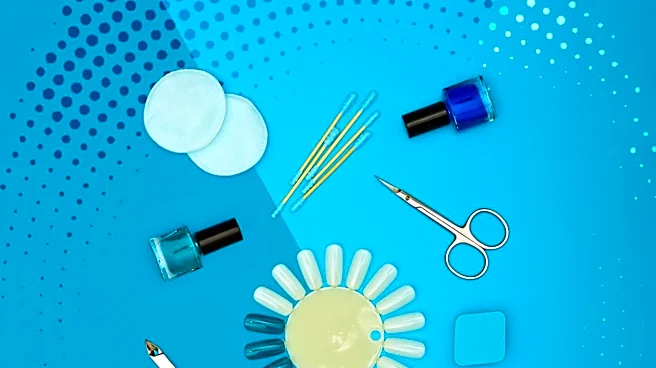
Often used in manicures and pedicures, typically after nails have been trimmed with clippers, emery boards provide a gentle yet effective way to refine nail edges. Their design makes them both abrasive and flexible, allowing for precise shaping. The widespread adoption of the emery board can be attributed to its practicality and affordability, making professional-level nail care more attainable for the general public.
The Genesis of the Modern Emery Board
The modern emery board, as we recognize it today, was first patented in 1883 by J. Parker Pray of New York. This invention formalized the design of a tool that would become a staple in personal care kits worldwide. Before this patent, nail file-like tools certainly existed, but Pray's innovation brought a standardized and mass-producible version to the market. This development was crucial for making nail care more hygienic and convenient, especially when compared to the more permanent and less disposable options available at the time.
Emery boards are particularly valued by manicurists for their ability to shape and smooth nails during professional sessions. Their inexpensive and disposable nature offers a significant advantage over metal nail files, as they can be discarded after a single use, thereby promoting better hygiene and preventing the spread of germs. This sanitary aspect was a major selling point and contributed to their rapid acceptance in both professional and home settings.
Practicality and Technique in Nail Filing
When using an emery board, the technique involves taking light, even strokes in one direction across the top of the nail to achieve a smooth and accurately shaped edge. This method helps prevent splitting and ensures a clean finish. For shortening excessively long fingernails, approximately twenty to thirty easy strokes are typically sufficient. For simply shaping the nails, a fewer number of strokes, usually five to ten, will suffice.
While generally less abrasive than metal nail files, emery boards may take a bit longer to file down nails. However, their gentler action can be beneficial for preventing damage to the nail plate. Their lower cost also means they can be economically disposed of after use on a single person, reinforcing their role as a sanitary alternative. Beyond traditional nail care, emery boards have found unconventional uses; for instance, guitar players have been known to use them to smooth out calluses on their fingertips, which can otherwise snag guitar strings, demonstrating the versatility of this simple tool.
A Spectrum of Nail File Materials
Beyond emery boards, nail files come in a variety of materials, each with its own characteristics. These include ceramic, glass, crystal, plain metal files, and metal files coated with corundum. Each material offers a different level of abrasiveness and durability. For example, glass and crystal files are known for their fine grit and longevity, while metal files can be quite aggressive. The emery board, with its flexible and disposable nature, occupies a unique and important place within this diverse range of nail care tools, offering a balance of effectiveness, affordability, and hygiene that has cemented its status in personal grooming.