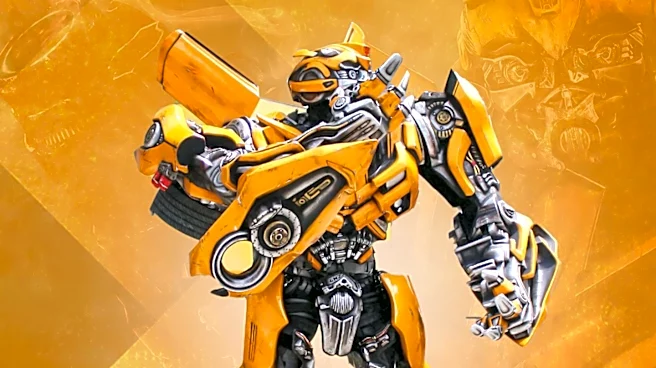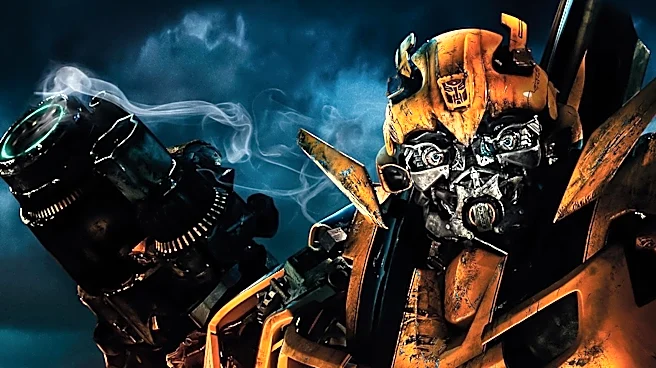







The production of "Transformers: Revenge of the Fallen" was a complex process marked by significant challenges and creative decisions. Directed by Michael Bay, this 2009 action-packed sequel to the original "Transformers" film faced hurdles such as the Hollywood writers' strike and the need to expand on the universe established in the first movie. Despite these obstacles, the film was successfully completed and released to audiences worldwide.
Overcoming Production Challenges
One
of the major challenges during the production of "Transformers: Revenge of the Fallen" was the Hollywood writers' strike of 2007-2008. This strike threatened to delay the film's development, but the creative team found ways to work around it. Director Michael Bay began creating animatics of action sequences with characters that were initially rejected for the 2007 film. This proactive approach ensured that animators could continue their work even if the Directors Guild of America went on strike, which fortunately did not happen.
The writing team, consisting of Roberto Orci, Alex Kurtzman, and Ehren Kruger, faced their own set of challenges. Orci and Kurtzman initially declined to work on the sequel due to scheduling conflicts, but they were eventually convinced to return. The trio was tasked with writing a treatment before the strike began, which Bay then expanded into a 60-page document blending script and treatment elements. This document included more action, humor, and new characters, setting the stage for the film's development.
Creative Decisions and Themes
The film's creative team made several key decisions to enhance the story and appeal to fans. Orci described the film's theme as "being away from home," focusing on the Autobots' life on Earth and Sam Witwicky's transition to college. The writers aimed to balance the focus between robots and humans more equitably, with a greater emphasis on science fiction elements.
The film featured around forty to sixty robots, depending on the source, and included new characters like the Autobot Jolt and a railgun used by the U.S. Army. These additions were made to satisfy both fan expectations and promotional needs, such as General Motors' desire to showcase the Chevrolet Volt. The team also aimed to modulate the humor, balancing outrageous jokes with a more serious approach to the Transformers mythology.
Budget and Filming Decisions
"Transformers: Revenge of the Fallen" had a substantial budget of $200 million, $50 million more than its predecessor. This increase allowed the filmmakers to include action scenes that were initially cut from the first film. Despite the larger budget, the studio decided against filming two sequels simultaneously, focusing instead on delivering a single, high-quality film.
Throughout production, Bay and his team engaged in a campaign of misinformation to keep fans guessing about which Transformers would appear in the film. This included false claims about characters like Megatron and the Dinobots, which were not included due to creative differences and practical considerations. Ultimately, the film's production was a testament to the team's ability to navigate challenges and deliver a blockbuster hit.