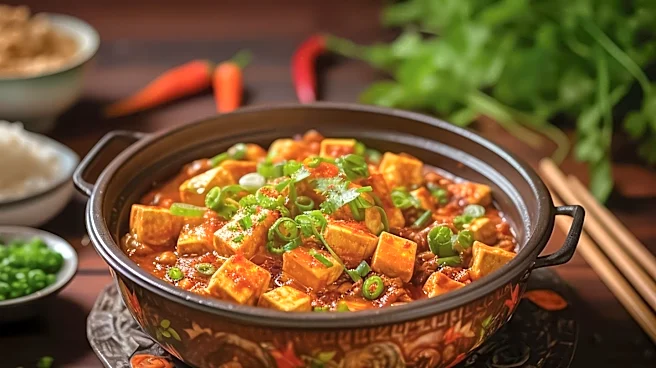






Mapo Tofu is more than just a dish; it is a cultural icon within Sichuan cuisine. Known for its bold flavors and unique combination of ingredients, Mapo Tofu embodies the essence of Sichuan culinary traditions. Its cultural significance extends beyond its taste, representing the rich history and adaptability of Sichuan food culture.
A Staple of Sichuan Cuisine
Sichuan cuisine is renowned for its use of bold flavors, particularly the combination of spicy and numbing sensations.
Mapo Tofu is a quintessential example of this culinary style, featuring a spicy sauce made from doubanjiang (fermented broad bean and chili paste) and douchi (fermented black beans). The dish's signature numbing effect comes from Sichuan pepper, a key ingredient in many Sichuan dishes.
The dish's origins in Chengdu, the capital of Sichuan province, highlight its deep roots in the region's culinary history. Mapo Tofu's creation in the 19th century by Mrs. Chen, or "Chen Mapo," reflects the ingenuity and resourcefulness of Sichuan cooks. The dish's enduring popularity within the region underscores its status as a staple of Sichuan cuisine.
Influence on Regional and Global Cuisine
Mapo Tofu's influence extends beyond Sichuan, impacting both regional and global culinary landscapes. Within China, the dish is a beloved part of the national cuisine, enjoyed in various forms across different provinces. Its inclusion in the 1950s recipe catalog by the Food, Beverage, and Hospitality Bureau helped solidify its place in Chinese culinary history.
Internationally, Mapo Tofu has gained recognition and popularity, particularly in Japan and Korea. In Japan, the dish was introduced by Chinese-Japanese chef Chen Kenmin and further popularized by his son Chen Kenichi. Their efforts helped make Mapo Tofu a familiar dish in Japanese households and restaurants. Similarly, in Korea, the dish has been adapted to suit local tastes, further demonstrating its versatility and appeal.
A Symbol of Culinary Adaptability
Mapo Tofu's ability to adapt to different tastes and dietary preferences is a testament to its cultural significance. Vegetarian versions of the dish, which use ingredients like shiitake mushrooms instead of meat, cater to a growing demand for plant-based options. These adaptations maintain the dish's core flavors while offering new ways to enjoy it.
The cultural significance of Mapo Tofu lies in its representation of Sichuan cuisine's bold flavors and adaptability. As a dish that has transcended regional boundaries, it continues to be a symbol of culinary innovation and cultural exchange.