



Oatmeal, a preparation of oats, has undergone a significant evolution in its processing and culinary applications, transforming from a simple staple into a diverse range of products. This journey reflects advancements in food technology and changing consumer preferences, leading to various forms of oatmeal and the emergence of innovative oat-based products like oat milk. Understanding these developments reveals how a traditional grain has adapted
to modern dietary needs and tastes.
Industrial Preparation and Oatmeal Varieties
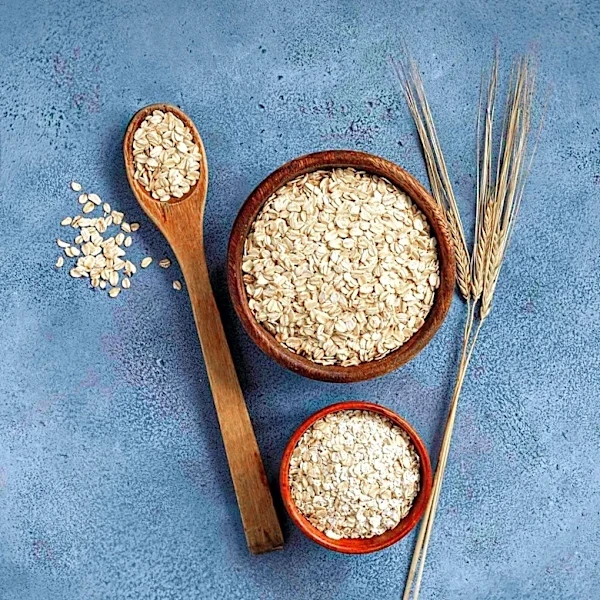
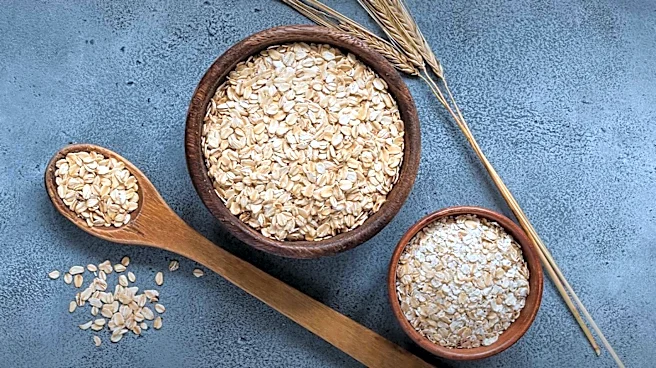
The preparation of oatmeal begins with oat groats, which are hulled oat grains. These groats are then subjected to processes such as dehusking, steaming, and flattening. Alternatively, they can be milled (ground), rolled, or steel-cut. Each method yields a distinct type of oatmeal with varying textures and cooking times. Ground oats are sometimes referred to as white oats, while steel-cut oats are known for their coarse texture and are also called Irish oatmeal or pinhead oats.
Rolled oats, a widely popular form, were traditionally thick old-fashioned oats. However, modern processing allows them to be made thinner or smaller, leading to categories like quick oatmeal and instant oatmeal. The cooking time for these varieties is directly influenced by the size of the oats and the extent of precooking they undergo. Instant oatmeal, for instance, is made from more finely cut oats and rolled even thinner, often with added sweeteners and flavorings for convenience. The oat grains are initially dehusked by impact, then heated and cooled to stabilize the groats before further milling into fine, medium, or coarse oatmeal.
Culinary Versatility Beyond Porridge
While oatmeal is chiefly eaten as porridge, especially when cooked by boiling or microwaving with water or milk, its culinary uses are remarkably broad. Rolled oats are a fundamental ingredient in many popular recipes, including oatmeal cookies, oatcakes, and British flapjack bars. They are also incorporated into baked oatmeal dessert dishes, such as apple Brown Betty and apple crisp. Beyond these, oats can serve as an accent in foods, like a topping on oat bran breads or as a coating for cheeses such as Caboc.
In savory cooking, oatmeal finds use as a thickening agent in Arabic or Egyptian meat-and-vegetable soups. It can also be added to meatloaf to enhance its fiber and nutritional content at a relatively low cost. All types of rolled oats can be consumed uncooked, as seen in muesli, or cooked into porridge. In some regions, rolled oats are eaten raw or toasted with milk and sugar, sometimes with raisins, as part of muesli. The term oatmeal can also refer to a porridge made from the bran or fibrous husk in addition to the kernel or groat. Rolled oats are a key ingredient in granola, where toasted oats are blended with sugar, nuts, and raisins, and in granola bars.
The Rise of Oat Milk
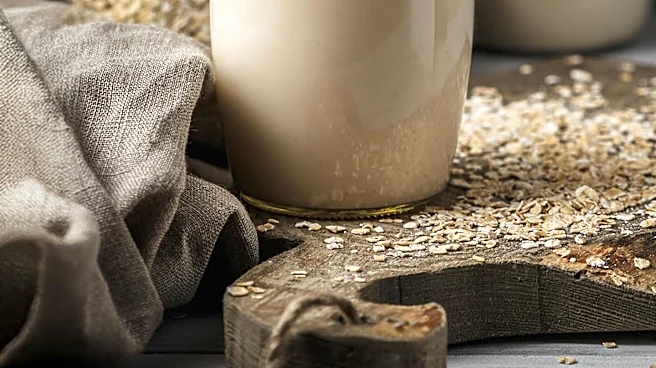
One of the most significant recent developments in oat consumption is the emergence of oat milk, a plant-based milk substitute. This product has seen a rapid increase in popularity, particularly in the United States. By late 2020, the oat milk market had grown to become the second-largest among plant milks in the U.S., surpassing the sales of soy milk and trailing only almond milk. This rise highlights a growing consumer demand for dairy alternatives and the versatility of oats in creating new food and beverage products that cater to evolving dietary trends and preferences.