






Beyond their nutritional value, oats have woven themselves into the fabric of human culture, influencing language, folklore, and societal perceptions across centuries. From being a dietary mainstay in certain regions to inspiring common idioms, the humble oat holds a surprisingly rich cultural history. Its journey from a vital food source to a symbol in everyday expressions reveals much about changing agricultural practices and social attitudes.
Historical Perceptions and Regional Importance
Oats
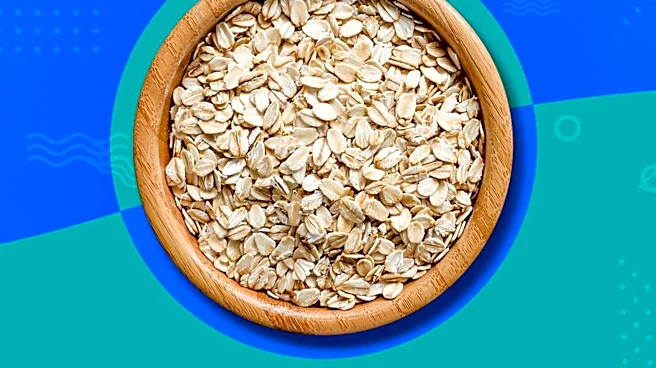
have been consumed in Britain since the Iron Age, establishing a long-standing presence in the diet of its inhabitants. For many centuries, the production and consumption of oats were heavily concentrated in Scotland, even as the grain was cultivated elsewhere. This regional focus led to a strong association between oats and Scottish culture. However, as farming practices evolved and alternative food sources became more available in the 16th and 17th centuries, the perception of oats began to shift, particularly in England.
During this period, oats started to be regarded as a mark of inferiority in England, perhaps due to their association with less affluent populations or different agricultural traditions. This sentiment is famously captured in Samuel Johnson's 1755 *Dictionary of the English Language*, where he defined oats as "A grain, which in England is generally given to horses, but in Scotland supports the people." This quote vividly illustrates the divergent cultural views on oats between England and Scotland at the time, highlighting their role as a staple for the Scottish populace versus animal feed for the English.
Oats in Folklore and Music
The cultural impact of oats also extends into traditional folklore and music. A well-known traditional folksong, recorded in various forms since 1870, begins with the line "Oats and Beans and Barley Grow." This song, cataloged as Roud Folk Song Index 1380, speaks to the agricultural significance of these crops and their place in rural life. Similar songs celebrating these grains have been documented in other European countries, including France, Canada, Belgium, Sweden, and Italy, suggesting a widespread cultural connection to the cultivation of oats and other cereals.
These songs often served as educational tools or simply as reflections of daily life, embedding the importance of these crops into the collective consciousness through oral tradition. The presence of such songs across different nations underscores the fundamental role oats played in sustenance and farming communities, making them a subject worthy of musical celebration and remembrance.
Linguistic Legacy: Oats in English Idioms
In English, oats have also become associated with sexual intercourse, giving rise to several enduring idioms. One prominent example is "sowing one's (wild) oats," which means to have many sexual partners in one's youth. This phrase, dating back to at least the 16th century, with a similar expression possibly used in Roman Republican times, draws a metaphorical link between the scattering of seeds and youthful promiscuity. The origin of this idiom is rooted in the agricultural reality that wild oats, particularly *Avena fatua*, are a significant weed in oat farming. These weedy relatives look almost identical to cultivated oats but yield little grain, making them an unprofitable endeavor. Historically, controlling this weed required painstaking hand-weeding, making "sowing wild oats" a fitting metaphor for unprofitable or reckless activities.
Another related idiom is "getting your oats," which means having sex regularly. Both expressions highlight how the agricultural context of oats, particularly the idea of planting or scattering seeds, has been creatively adapted to describe human behaviors and experiences. These linguistic connections demonstrate the deep and often unexpected ways in which agricultural products can permeate and enrich everyday language and cultural understanding.