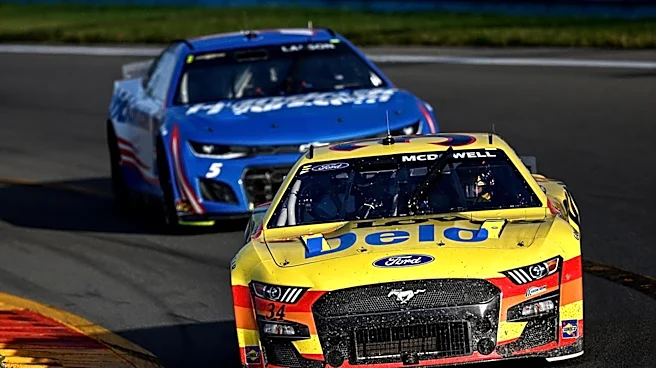










NASCAR, the National Association for Stock Car Auto Racing, is synonymous with stock car racing in North America. As the primary governing body, NASCAR has played a pivotal role in shaping the sport, establishing rules, and promoting its growth. This article explores NASCAR's influence on stock car racing, its organizational structure, and its impact on the sport's development.
The Formation and Structure of NASCAR
NASCAR was founded on February 21, 1948, by Bill France Sr. in Daytona
Beach, Florida. The organization was established to bring order and consistency to the chaotic world of stock car racing, which was plagued by a lack of standardized rules and regulations. France's vision was to create a unified body that would oversee the sport, ensuring fair competition and safety for drivers and spectators alike.
NASCAR's structure includes multiple series, each catering to different levels of competition. The premier series, known today as the NASCAR Cup Series, is the highest level of professional stock car racing. Other national series include the NASCAR O'Reilly Auto Parts Series and the NASCAR Craftsman Truck Series. Additionally, NASCAR sanctions regional and international series, expanding its reach beyond the United States.
NASCAR's Impact on Stock Car Racing
NASCAR's influence on stock car racing is profound. By establishing standardized rules and regulations, NASCAR brought legitimacy and professionalism to the sport. The organization introduced safety measures, such as fire-retardant suits and the HANS device, to protect drivers. These innovations have significantly reduced the risk of injury and fatalities in the sport.
NASCAR's introduction of the Winston Cup Series in 1971 marked a turning point in the sport's history. The series, sponsored by R.J. Reynolds Tobacco Company, brought increased prize money and a new points system, attracting top drivers and teams. This professionalization of the sport led to greater media coverage and fan engagement, solidifying NASCAR's position as the leading authority in stock car racing.
NASCAR's Global Reach and Cultural Impact
While NASCAR's roots are firmly planted in the United States, the organization has expanded its reach globally. NASCAR sanctions races in Canada, Mexico, and Europe, introducing the sport to new audiences and fostering international competition. This expansion has helped NASCAR maintain its status as one of the largest motorsports organizations in the world.
NASCAR's cultural impact extends beyond the racetrack. The sport has become a significant part of American culture, with millions of fans attending races and tuning in to broadcasts. NASCAR's influence is also evident in the automotive industry, where manufacturers use racing success to promote their vehicles. The "win on Sunday, sell on Monday" philosophy underscores the connection between racing and consumer interest in performance cars.
Conclusion
NASCAR's role as the governing body of stock car racing has been instrumental in the sport's development and success. By establishing rules, promoting safety, and expanding its reach, NASCAR has transformed stock car racing into a professional and globally recognized motorsport. As the sport continues to evolve, NASCAR remains at the forefront, guiding its growth and ensuring its enduring popularity.