


The Beatles' iconic song "Come Together," released in 1969, stands as a testament to the unique synergy of the band members. While primarily written by John Lennon and credited to Lennon/McCartney, the track evolved significantly through the individual contributions of each Beatle, culminating in a sound that producer George Martin lauded as a perfect blend of their disparate talents. The song's creation in the studio allowed for an organic development
where each musician's input shaped the final, distinctive character of the piece, making it a favorite among fans and even within the band itself.
John Lennon's Vision and Initial Spark
John Lennon himself held "Come Together" in high regard, describing it as "one of my favorite Beatles tracks." He appreciated its funky and bluesy qualities, noting his own vocal performance on the song. Lennon's initial concept provided the foundation, aiming for a track with a distinct groove. The song's evolution began with his demo, which he shared with Timothy Leary, who mistakenly believed it was his own and played it on California's alternative radio stations. However, the song underwent substantial changes once Lennon presented it to the other Beatles seven weeks later for recording sessions at EMI Studios, which commenced on July 21, 1969.
Lennon's creative process involved improvising several lyrics on the spot during recording. He also borrowed the phrase "here come old flat-top" from Chuck Berry's song "You Can't Catch Me," a detail that would later have consequences. His desire for a "funky" track guided the initial direction, and his vocal delivery became a central element of the song's appeal. During instrumental breaks, Lennon would whisper "shoot me!" on the downbeats of each riff, simultaneously clapping his hands, adding to the track's unique texture.
The Instrumental Contributions: Bass, Drums, and Guitar
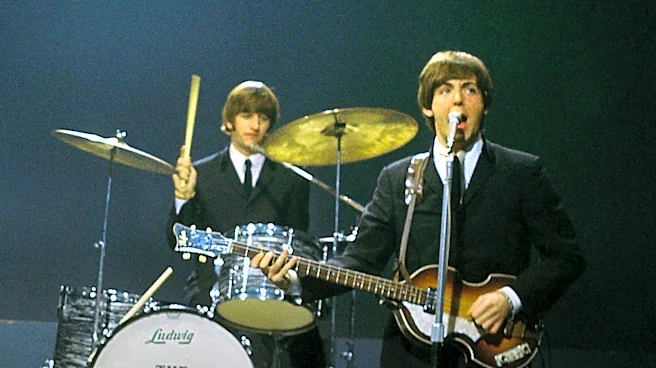
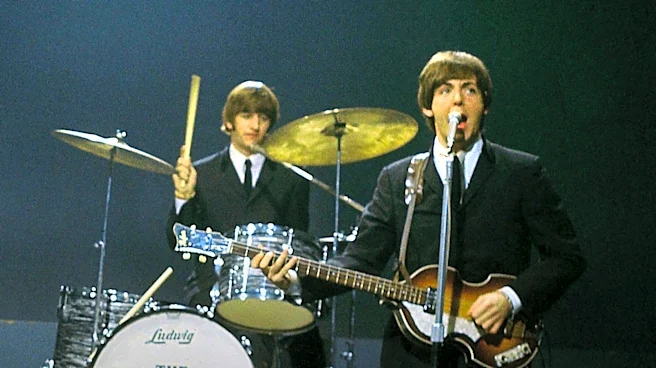
Paul McCartney played a crucial role in shaping the song's atmosphere. He suggested slowing down the tempo, which gave the track a "gloomy bass-drum climate." McCartney recounted finding a bass line that then allowed everything else to fall into place. His distinctive bass riff became a foundational element, providing the song with its signature feel and driving rhythm. This collaborative approach, where one member's idea sparked another's, was central to the song's development.
Ringo Starr's drumming also contributed significantly to the song's unique sound. He noted that the particular drum sound came from using new calfskin drumheads, which he utilized extensively, especially on the tom-toms. Starr believed that the magic of true records lay in showcasing the quality of the tom-toms, a magic he felt had diminished due to modern manipulations. His intricate tom-tom work provided a distinctive percussive layer. George Harrison's guitar work at the end of the song further completed the arrangement, adding another layer to the collective sound.
Producer George Martin's Perspective on Collaboration
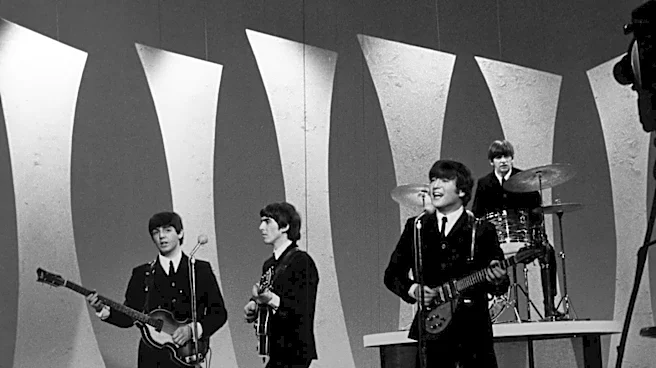
Producer George Martin often cited "Come Together" as a prime example of The Beatles' collective genius. He stated that if he had to choose one song that demonstrated how the four disparate talents of the band members combined to create a great sound, it would be "Come Together." Martin highlighted the progression: Lennon's original song was good, and his voice made it better. Then, McCartney introduced his great little riff. Starr responded with a fitting drum pattern, which Lennon then built upon with the "shoot me" part. Finally, Harrison's guitar at the end brought it all together. Martin concluded that the four of them, as a unit, became much better than their individual components, underscoring the power of their collaborative process.