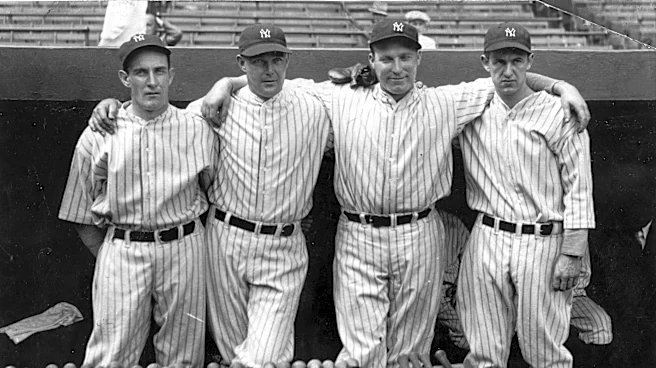

The 1921 World Series marked a pivotal moment in Major League Baseball history, not only as the championship series for that season but also as a contest that highlighted evolving baseball strategies and
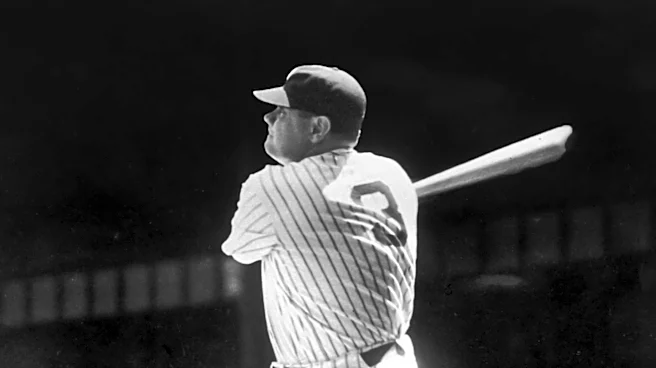
set several precedents. This 18th edition of the World Series pitted the National League champion New York Giants against the American League champion New York Yankees. It was a series that showcased a fascinating contrast in playing styles: the Giants, who were masters of the "inside game" characteristic of the dead-ball era, faced off against the Yankees, whose "power game" was epitomized by the legendary Babe Ruth, who was coming off what was arguably his best statistical year.
This particular World Series was especially significant for the New York Yankees, as it marked their very first appearance in the championship. This debut would be the start of a remarkable legacy, as the Yankees have since gone on to play in the World Series a record 41 times. The series itself was a closely fought battle, ultimately concluding with a dramatic double play that involved a baserunning error, underscoring the intensity and competitive nature of the matchup.
The Last of a Format and a Broadcasting First
The 1921 World Series holds another unique place in history as it was the last of four World Series to utilize the best-of-nine format. This extended format had previously been seen in the 1903, 1919, and 1920 editions of the series. Following this event, Major League Baseball permanently transitioned to the best-of-seven game format for the World Series, a structure that has remained in place ever since. This change streamlined the championship, making it a more concise and perhaps even more intense competition.
Beyond its format, the 1921 World Series also broke new ground in media coverage. It was the first World Series ever to be broadcast over radio, a revolutionary step that brought the excitement of the games to a much wider audience than ever before. Grantland Rice covered the games live through Pittsburgh's KDKA, with rebroadcasts also available on WBZ in Massachusetts. Additionally, announcer Tommy Cowan recreated the games over Westinghouse-owned WJZ in Newark, relying on phoned-in reports from the stadium to bring the action to listeners.
A Shared Home Field and a Subway Series Debut
All eight games of the 1921 World Series were played at the Polo Grounds in upper Manhattan, New York. This unique situation arose because the Yankees had subleased the stadium from the Giants for the 1913 through 1922 seasons, making it the home park for both teams during their regular seasons in those ten years. This marked the first time in World Series history that the entire series occurred at a single site. This unusual circumstance would repeat the following year with the same two teams and location, and again in 1944 at St. Louis' Sportsman's Park, and most recently in 2020 due to the COVID-19 pandemic, when a neutral site was used.
For New Yorkers, this series was particularly special as it represented the first "Subway Series" in World Series history, a term that would become iconic for matchups between New York's baseball teams. The event drew fans from across the continent, with hotels in New York City fully booked. Railroads like the New York Central and Pennsylvania Railroads even made plans to add cars and run their trains in sections to accommodate the expected increase in traffic, highlighting the immense public interest in this historic championship.