



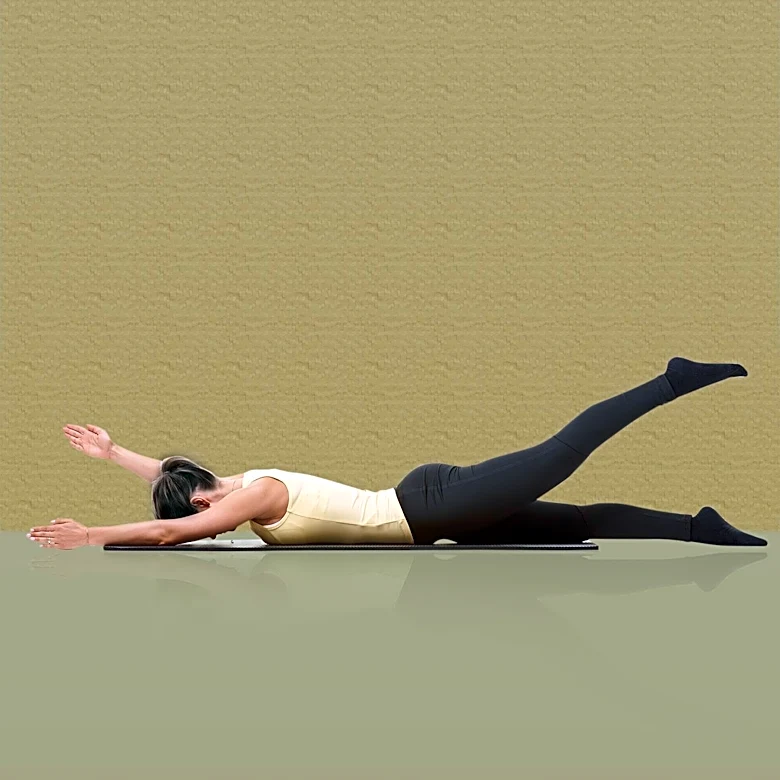






Abdominal muscles are often associated with physical fitness and aesthetics, but their role extends far beyond appearance. These muscles are integral to core stability, which is essential for maintaining balance, posture, and overall body function. Understanding how the abdominal muscles contribute to core stability can provide valuable insights into their importance in both everyday activities and exercise routines.
Anatomy of the Abdominal Muscles
The abdominal muscles consist of
four main groups: the rectus abdominis, external obliques, internal obliques, and transversus abdominis. Each of these muscles plays a unique role in supporting the trunk and facilitating movement. The rectus abdominis, often referred to as the "abs," is responsible for flexing the lumbar spine and is segmented by tendinous intersections, giving it a "six-pack" appearance.
The external obliques are located on the sides of the abdomen and run diagonally downward. They work in conjunction with the internal obliques, which lie beneath them and run in the opposite direction. Together, these muscles allow for trunk rotation and lateral flexion. The transversus abdominis, the deepest of the abdominal muscles, wraps around the abdomen like a corset, providing stability and compressing the abdominal contents.
Importance of Core Stability
Core stability is crucial for maintaining proper posture and balance. The abdominal muscles, along with the back muscles, form a supportive corset around the spine, helping to stabilize it during movement. This stability is essential for performing everyday activities, such as walking, bending, and lifting, without risking injury.
In addition to supporting the spine, the abdominal muscles play a vital role in protecting internal organs and maintaining intra-abdominal pressure. This pressure is necessary for activities that require significant core engagement, such as lifting heavy objects or performing athletic movements. A strong core can also enhance athletic performance by providing a stable base for generating power and force.
Training for Core Stability
Strengthening the abdominal muscles is key to improving core stability. Exercises that target these muscles, such as planks, crunches, and leg raises, can help build strength and endurance. It's important to incorporate a variety of exercises that engage all the abdominal muscle groups to ensure balanced development and prevent muscle imbalances.
Incorporating core stability exercises into a regular fitness routine can lead to improved posture, reduced risk of injury, and enhanced athletic performance. By understanding the role of the abdominal muscles in core stability, individuals can better appreciate their importance and prioritize their training accordingly.