






Photodermatitis is a skin condition that can cause discomfort and long-term skin changes if not managed properly. It occurs when certain allergens are activated by sunlight, leading to an allergic reaction. Preventing photodermatitis involves understanding the triggers and implementing strategies to protect the skin from harmful UV exposure.
Avoiding Triggers
One of the most effective ways to prevent photodermatitis is to avoid exposure to known triggers. This includes certain plants and chemicals that can cause a reaction when the skin is exposed to sunlight. Plants such as Ammi majus, parsnip, and giant hogweed are known to cause phytophotodermatitis, a type of photodermatitis triggered by plant chemicals. Avoiding contact with these plants, especially during sunny weather, can help reduce the risk of a reaction.In addition to plants, certain medications can increase the skin's sensitivity to sunlight. It is important
to be aware of any medications that may have this side effect and discuss alternatives with a healthcare provider if necessary. By avoiding these triggers, individuals can significantly reduce their risk of developing photodermatitis.
Sun Protection
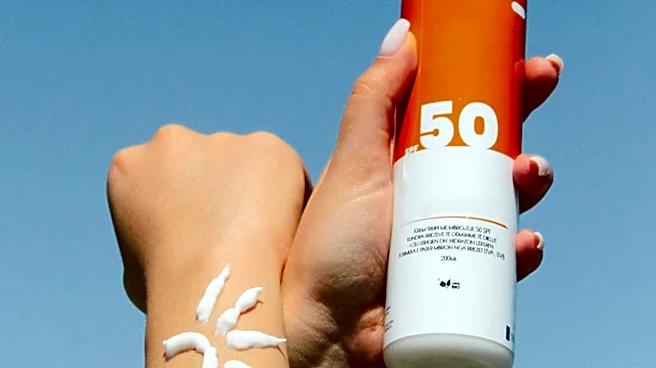
Protecting the skin from sunlight is a crucial step in preventing photodermatitis. Using sunscreen with a high UVA protection level is essential, especially on areas of the skin that are prone to reactions. Sunscreen should be applied generously and reapplied regularly, particularly after swimming or sweating.Wearing protective clothing, such as long sleeves and wide-brimmed hats, can also help shield the skin from UV rays. In addition, seeking shade during peak sunlight hours and using umbrellas or other forms of sun protection can further reduce exposure. These measures are particularly important for individuals who are prone to photodermatitis or are taking medications that increase sun sensitivity.
Lifestyle Adjustments
Making certain lifestyle adjustments can also aid in preventing photodermatitis. Staying informed about the UV index and planning outdoor activities accordingly can help minimize sun exposure. Additionally, maintaining a healthy diet and staying hydrated can support overall skin health and resilience.For those who have experienced photodermatitis in the past, keeping a diary of triggers and symptoms can be helpful in identifying patterns and avoiding future reactions. By taking a proactive approach and implementing these strategies, individuals can effectively prevent photodermatitis and enjoy outdoor activities with confidence.