



In the intricate world of motorsports, the method by which a race begins is a fundamental aspect that influences strategy, safety, and the spectacle of competition. Two primary modes exist: the rolling start and the standing start. While both aim to initiate the race, their procedures, associated rules, and suitability for different racing disciplines vary significantly. Understanding these nuances provides insight into the strategic considerations
and operational demands of various motorsport categories.
Distinct Procedures and Signals
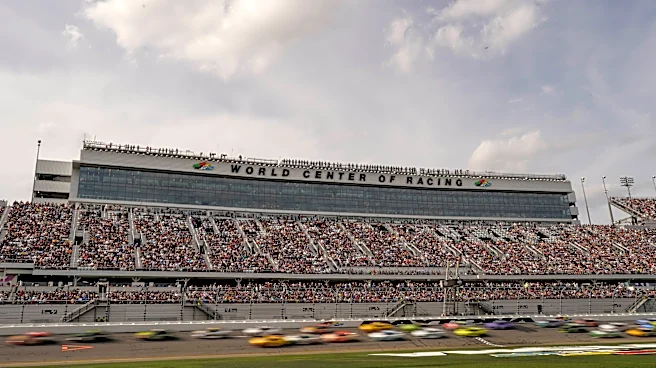
A standing start involves cars beginning from a stationary position on the grid, typically accelerating upon a signal, such as the extinguishing of lights. This method demands precise timing and powerful acceleration from a standstill. In contrast, a rolling start sees cars already in motion, ordered on the track and led by a safety car for a series of parade or caution laps at a predetermined safe speed. The race officially begins when the safety car exits the track and a green flag is displayed, or when starting lights change from red to green after pace laps.
For international rolling starts, red lights are pre-illuminated during the final pace lap and then switch to green once the starter is satisfied with the field's composition. This system allows for an aborted start if necessary, by keeping the red lights on and displaying an "Extra Formation Lap" board or flashing yellow lights. Drivers are informed of the start signal either visually by the flag or lights, or through modern communication methods like two-way radio, often at a designated acceleration zone marked by a line or cone determined in pre-race briefings.
Rules Governing Fair Play
Both types of starts are governed by strict rules designed to ensure fairness and prevent premature advantages. In a standing start, a false start, where a driver moves before the signal, typically results in a time penalty. For rolling starts, the rules are more complex due to the cars being in motion. Drivers must maintain their position behind the pace car and within the field, unless they are entering the pits or have specific permission to maneuver. A critical rule dictates that drivers on the inside line cannot overtake cars on the outside until they have passed the start line.
Furthermore, as the green flag approaches and the pace car exits, drivers are required to maintain their speed and position, heading to the proper line. The lead driver is explicitly prohibited from slowing excessively to force trailing cars to bunch up, a tactic that could give them an unfair advantage on the restart. These regulations are crucial for maintaining the integrity of the race start and ensuring a level playing field for all competitors.
Applications Across Motorsports
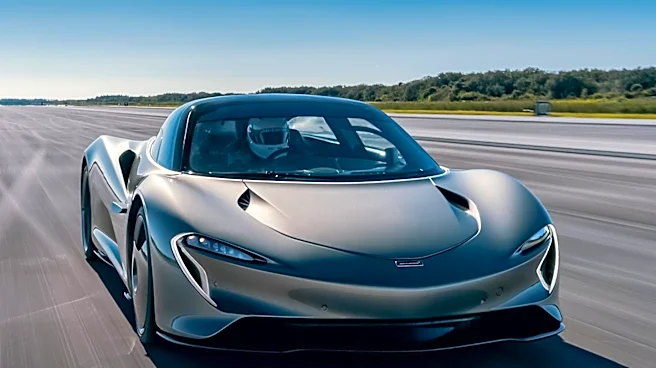
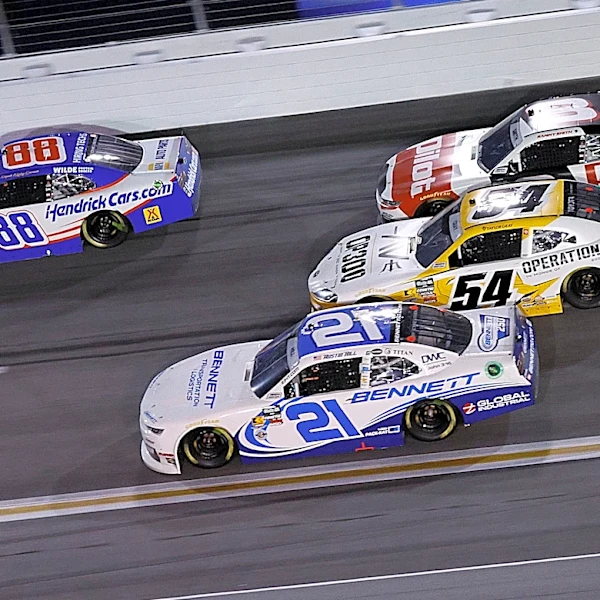
The choice between a rolling and standing start often depends on the specific characteristics of the motorsport. Rolling starts are a common feature in stock car racing, sports car racing, and several worldwide touring car championships. This method is particularly favored for restarts across virtually all motorsports due to its efficiency; it is significantly quicker to get cars back into racing action with a rolling restart than a standing start, which can take ten minutes after a red flag under FIA Code.
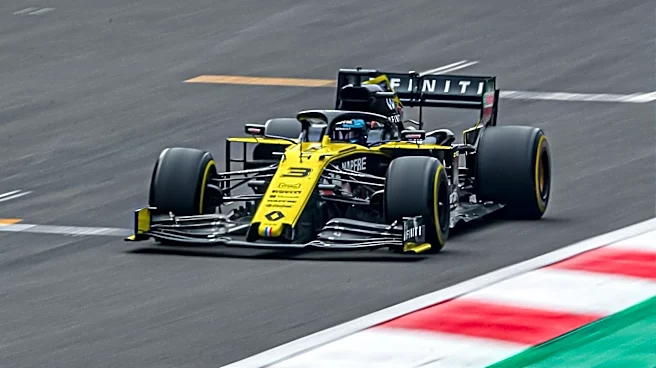
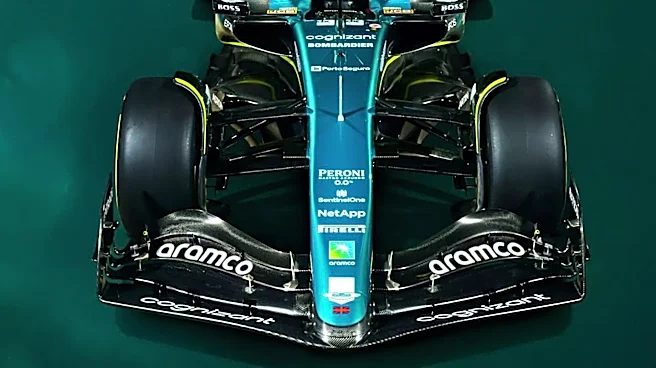
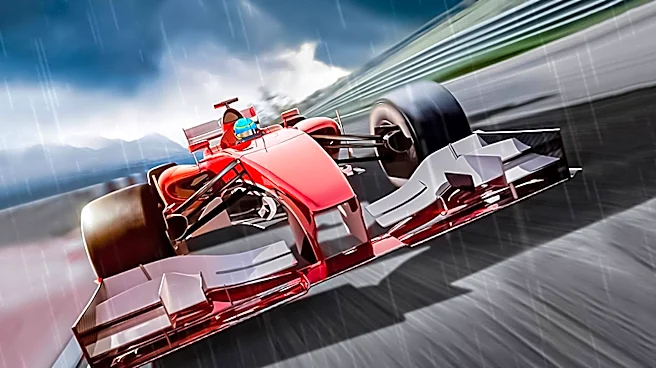
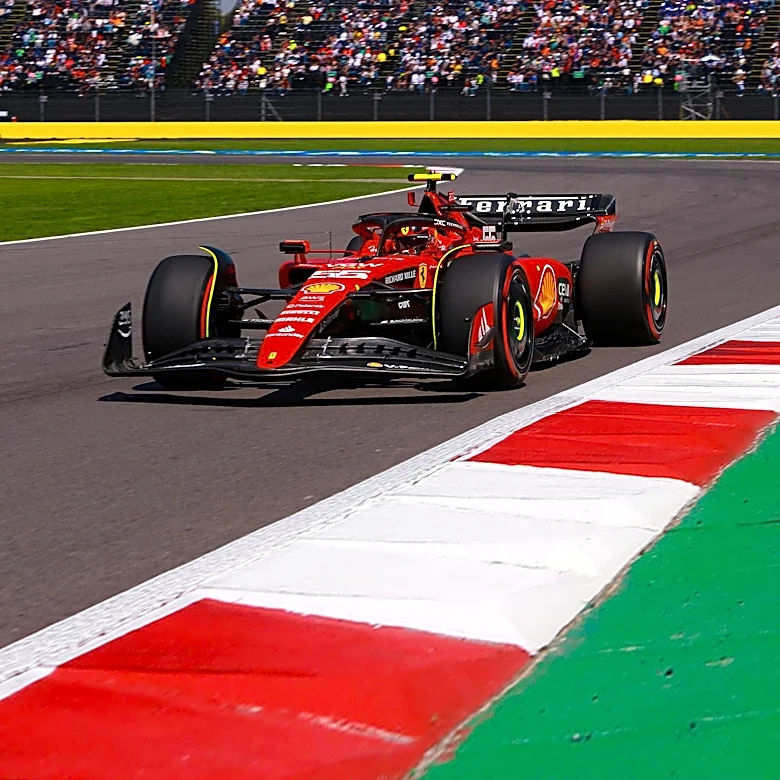
Conversely, formula sports, such as Formula One, generally prefer standing starts for the initial race commencement. This preference is partly due to the physics and technology of these high-performance vehicles, where prolonged close proximity can lead to overheating and engine issues. The quicker acceleration times and increased dangers of accidents in formula sports also contribute to the preference for a stationary start. However, Formula One does make an exception for excessively wet tracks, where a rolling start behind a safety car may be used to prioritize safety, with laps counting immediately in such conditions.