
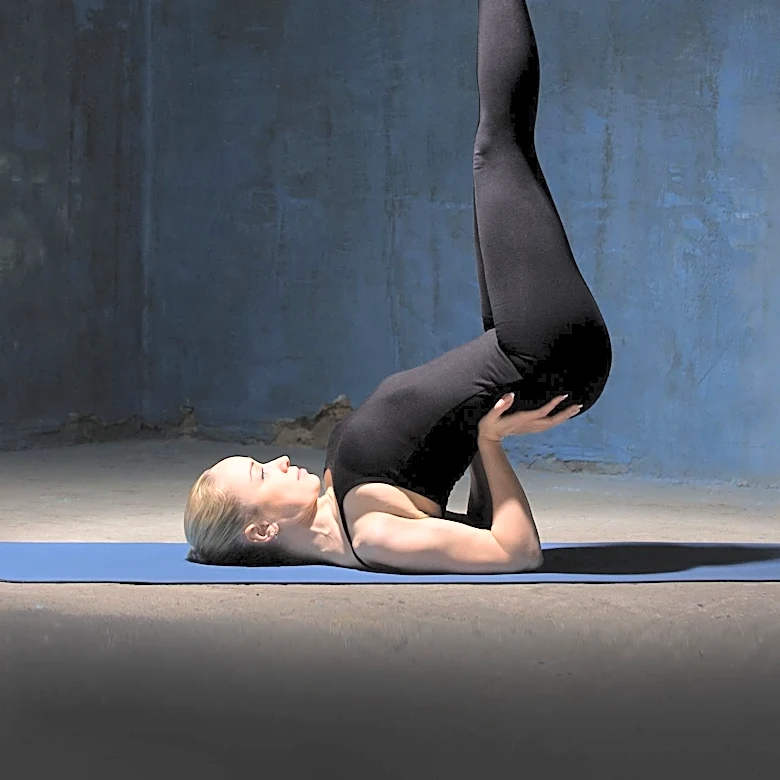






Viparita Karani, often referred to as the "legs up the wall pose," is a yoga posture with deep historical roots. This pose is not only a staple in modern yoga practices but also has a rich history as a mudra in hatha yoga. Understanding its origins and evolution provides insight into its significance and enduring popularity.
Ancient Beginnings
The name Viparita Karani is derived from Sanskrit, where "viparita" means inverted or reversed, and "karani" refers to a particular
type of practice. This pose has been documented as early as the 13th century in the Vivekamārtaṇḍa, where it was described as a means of yogic withdrawal, known as pratyahara. The practice was intended to reverse the downward flow of vital energy, a concept central to many ancient yoga traditions.
By the 17th century, Viparita Karani was practiced under various names such as Narakasana, Kapalasana, and Viparitakaranasana. These names reflect the pose's purpose as a mudra, which was to reverse the loss of life-giving substances through the use of gravity. This historical context highlights the pose's significance in the early models of hatha yoga, where it was believed to help retain vital fluids and energy within the body.
Evolution into Modern Yoga
In modern yoga, Viparita Karani has evolved into a more accessible and widely practiced asana. It is commonly performed with the support of a wall and sometimes a pile of blankets, making it a restful and restorative practice. This adaptation allows practitioners to experience the benefits of inversion without the need for advanced balance or strength.
The transition from a mudra to an asana reflects the broader evolution of yoga practices over the centuries. While the original purpose of reversing energy flow remains, the modern interpretation emphasizes relaxation and stress relief. This shift aligns with the contemporary focus on yoga as a form of exercise and wellness, rather than solely a spiritual discipline.
Cultural Significance
Viparita Karani's enduring presence in yoga practice underscores its cultural and spiritual significance. As a mudra, it was believed to block the central sushumna nadi channel of the subtle body, forcing the flow of energy back up. This concept of energy manipulation is a recurring theme in many yoga traditions, highlighting the pose's importance in achieving balance and harmony within the body.
Today, Viparita Karani is celebrated for its therapeutic benefits, including improved circulation, reduced stress, and enhanced relaxation. Its historical roots and evolution into a modern asana demonstrate the adaptability and timeless appeal of yoga practices. As practitioners continue to explore its benefits, Viparita Karani remains a testament to the rich history and transformative power of yoga.