

Andre Nolan Dawson, affectionately known as "The Hawk," left an indelible mark on Major League Baseball across four different franchises during his 21-year career. From his formative years with the Montreal Expos to his MVP season with the Chicago Cubs, and later stints with the Boston Red Sox and Florida Marlins, Dawson consistently demonstrated a rare blend of power, speed, and defensive prowess. His journey through MLB is not just a story of individual
achievement but also one of significant contributions to each team he represented, often overcoming physical challenges to deliver Hall of Fame-caliber performances. This exploration delves into Dawson's unique impact on each of his MLB homes.
Founding a Legacy with the Montreal Expos
Dawson's professional career began with the Montreal Expos, who drafted him in the 11th round in 1975. After a brief debut in 1976, he quickly established himself as a cornerstone of the franchise in 1977, earning the National League Rookie of the Year award. During his 11 seasons in Montreal (1976-1986), Dawson became synonymous with the Expos, showcasing a remarkable combination of hitting for power and stealing bases. He achieved at least 20 home runs in seven seasons and stole at least 20 bases in his first seven seasons, a testament to his dual threat capabilities.Beyond his offensive contributions, Dawson was also an elite defender, primarily in center field, earning six of his eight Gold Glove Awards while with the Expos (1980-1985). His all-around excellence led to him being a two-time runner-up for the NL MVP award (1981, 1983) and twice being named the Montreal Expos Player of the Year. Dawson set numerous franchise records, including career sacrifice flies (71), and ranks fourth in games played (1443). His profound impact on the team was recognized when the Expos retired his number 10 in 1997, solidifying his status as a franchise icon.
An Unforgettable MVP Season with the Chicago Cubs
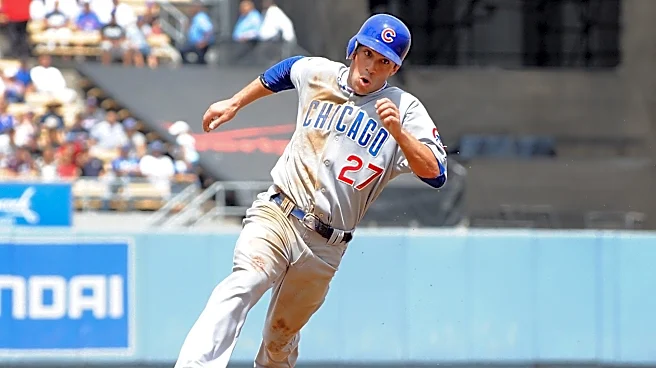
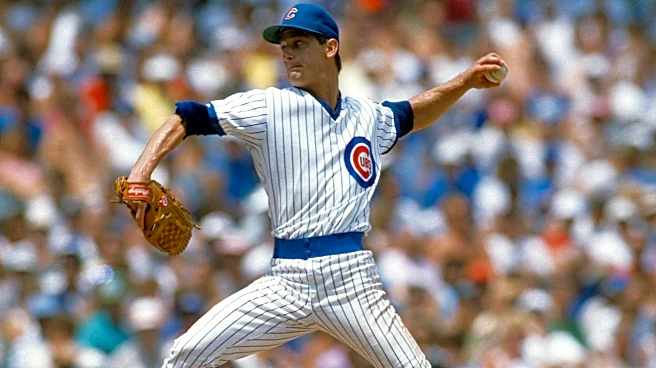
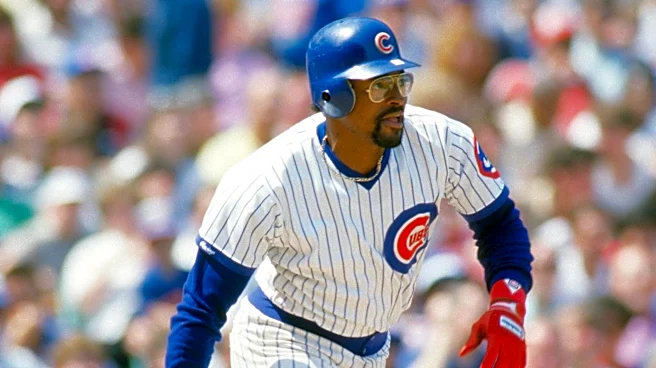
After leaving the Expos as a free agent in search of a natural grass field to ease his knee issues, Dawson famously signed a blank contract with the Chicago Cubs in 1987. This bold move paid off spectacularly, as he delivered one of the most memorable individual seasons in baseball history. In 1987, Dawson led Major League Baseball with 49 home runs and 137 RBIs, earning him the National League Most Valuable Player award. This achievement was particularly notable as he became the first player to win an MVP award while playing for a last-place team, as the Cubs finished 76-85.Dawson's six seasons with the Cubs (1987-1992) cemented his status as a fan favorite and a consistent offensive threat. He earned two more Gold Glove Awards (1987, 1988) and two more All-Star selections (1988, 1989) during his time at Wrigley Field. Despite the team's struggles in some of those years, Dawson's individual brilliance shone through. His .507 career slugging percentage with the Cubs remains the fourth-highest in team history, underscoring his powerful presence in their lineup. He was later inducted into the Chicago Cubs Hall of Fame, recognizing his significant contributions to the storied franchise.
Veteran Presence with the Red Sox and Marlins
Following his tenure with the Cubs, Dawson continued his career with the Boston Red Sox for two seasons (1993-1994). While his time in Boston was shorter, he still contributed with his veteran leadership and occasional power. He hit his 400th career home run as a Red Sox player on April 15, 1993, a significant milestone in his illustrious career. His experience and professional approach were valuable assets to the team during this period.Dawson concluded his distinguished career with the Florida Marlins, playing his final two seasons (1995-1996) in his home state. Retiring with the Marlins, he brought his career full circle, ending it where he began his life. Though his playing time was reduced in these final years, Dawson's presence provided a link to baseball's past and offered mentorship to younger players. His career totals of 2,774 hits, 438 home runs, and 1,591 RBIs, along with his unique 400 home run/300 stolen base club membership, underscore a legacy that transcended individual teams, making him a revered figure across the league and ultimately earning him a place in the National Baseball Hall of Fame in 2010.