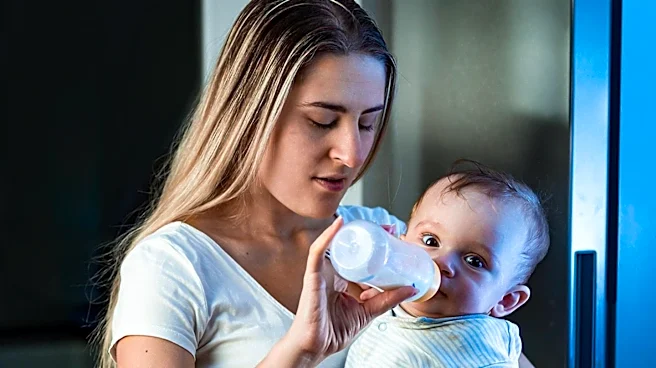







The maternal bond is often portrayed as an immediate and natural connection between a mother and her child. However, the reality is that this bond can be complex and fraught with challenges. Not all mothers experience an instant connection, and various factors can influence the development of this bond. Understanding these challenges is crucial for providing support to mothers who may struggle with bonding.
Factors Affecting Maternal Bonding
Several factors can impact the development
of the maternal bond. For some mothers, an unplanned or unwanted pregnancy can create feelings of detachment or unfamiliarity with the child. These emotions can hinder the bonding process, leading to a sense of alienation from the pregnancy and the baby.
Additionally, a mother's mental health plays a significant role in bonding. Conditions such as postpartum depression can severely affect a mother's ability to connect with her child. Mothers experiencing depression may feel overwhelmed, anxious, or disconnected, making it difficult to form a strong emotional bond.
The Impact of Childbirth Experiences
The experience of childbirth itself can also influence maternal bonding. A traumatic birth, medical complications, or a lack of support during labor can create stress and anxiety, which may interfere with the bonding process. Mothers who have had difficult childbirth experiences may need additional support to help them connect with their newborns.
Conversely, a positive childbirth experience can enhance the maternal bond. When mothers feel supported and empowered during labor, they are more likely to develop a strong connection with their child. This highlights the importance of providing comprehensive care and support to mothers during childbirth.
Supporting Maternal Bonding
Recognizing the challenges of maternal bonding is the first step in providing effective support to mothers. Healthcare providers can play a crucial role in identifying mothers who may be struggling and offering appropriate interventions. This support can include counseling, mental health services, and education on bonding techniques.
Encouraging physical contact, such as skin-to-skin interaction, can also help strengthen the maternal bond. These interactions promote the release of oxytocin, which can enhance feelings of attachment and reduce stress. By fostering a supportive environment, mothers can be better equipped to overcome the challenges of bonding and develop a nurturing relationship with their child.
Understanding the complexities of maternal bonding is essential for ensuring that all mothers receive the support they need. By addressing the factors that can hinder bonding, we can help mothers and their children build strong, healthy relationships.