
Freerunning is more than just a sport; it is a form of self-expression that allows individuals to interact with their environment in creative and artistic ways. Derived from parkour, freerunning emphasizes
the aesthetic aspect of movement, encouraging practitioners to explore their surroundings with fluidity and imagination. This discipline has gained popularity not only as a physical activity but also as a performance art, showcasing the beauty of human movement.
The Philosophy Behind Freerunning
At the heart of freerunning is the principle of self-expression. Practitioners are encouraged to move fluidly through their environment, overcoming obstacles in ways that reflect their personal style and creativity. Unlike parkour, which focuses on efficiency and speed, freerunning allows for a more artistic approach, where the journey is as important as the destination.
Sébastien Foucan, a key figure in the development of freerunning, has expanded on the sport's basic principles in his book, emphasizing the importance of positive thinking and creativity. He suggests that the fear of falling often leads to failure, and encourages practitioners to approach challenges with confidence and an open mind. This mindset is central to the discipline, fostering a sense of freedom and exploration.
Freerunning in Practice
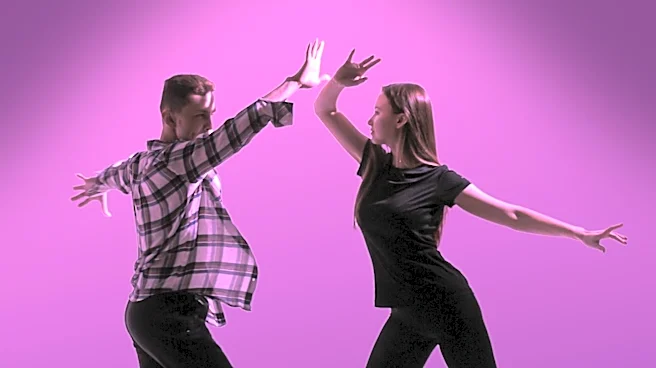
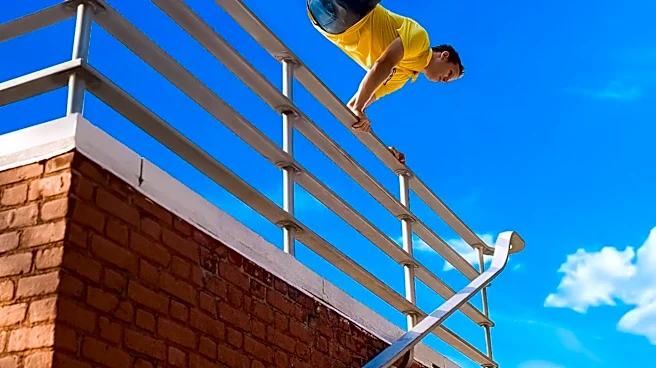
Freerunning involves interacting with physical obstacles in innovative ways, such as climbing, jumping, and running. These movements are often adopted from other sports like gymnastics, tricking, and breakdancing, allowing practitioners to create their own unique flows and lines in different landscapes. The obstacles can be purpose-built or part of a pre-existing environment, offering endless possibilities for creative expression.
The discipline encourages practitioners to push their boundaries and explore new ways of moving. This can involve creating new moves or combining existing ones in novel ways, resulting in a dynamic and ever-evolving practice. Freerunners often train in urban environments, where the architecture provides a rich canvas for their artistry.
The Impact of Freerunning
Freerunning has had a significant impact on both the sports and arts communities, inspiring individuals to view their surroundings in new ways. It challenges traditional notions of movement and encourages people to think outside the box, fostering a culture of innovation and creativity.
The discipline has also gained recognition through media, with documentaries like 'Jump London' introducing freerunning to a wider audience. This exposure has helped to popularize the sport and attract new practitioners, further expanding its reach and influence.
In conclusion, freerunning is a discipline that celebrates the artistry of movement, offering a unique blend of sport and performance art. It encourages individuals to express themselves through their interactions with the environment, creating a dynamic and inspiring practice that continues to evolve.