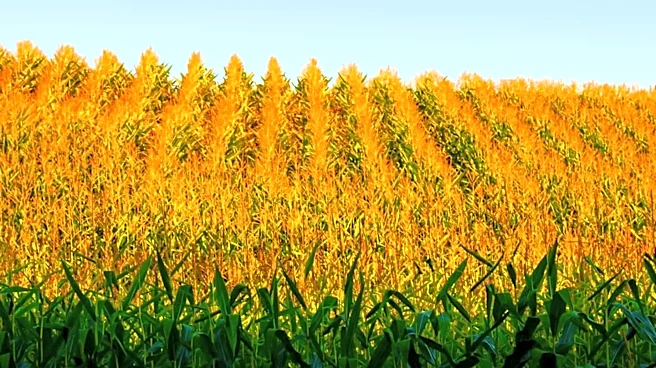



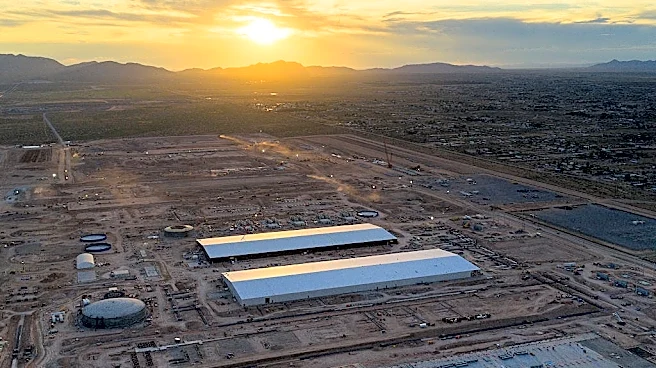

Iowa, a state often recognized for its agricultural prowess, has undergone a significant economic transformation since its early days. While its nickname, the "Food Capital of the World," highlights its strong connection to farming, the state's economic landscape has gradually diversified, moving beyond solely processing local materials to embrace advanced manufacturing, technology, and services. This evolution reflects broader national trends while
maintaining unique regional characteristics.
Early Industrial Beginnings and Post-Civil War Growth
The initial industries in Iowa, which began developing in the 1830s, were primarily focused on processing materials grown within the region. This early economic activity laid the groundwork for future growth, albeit still heavily tied to agriculture. Following the American Civil War, Iowa experienced a period of dramatic population increase, with its numbers swelling from 674,913 in 1860 to 1,624,615 by 1880. This population boom coincided with and supported an agricultural expansion that lasted from 1865 to 1930.
The Civil War itself briefly brought higher profits to the state. Later, with the United States' entry into World War I in 1917, Iowa farmers and residents alike experienced a wartime economy. This period, from the war's beginning in 1914 until its end, was marked by economic prosperity for Iowa's agricultural sector, further solidifying its reputation as a key food producer.
The Great Depression, World War II, and the Rise of Manufacturing
The transition from a predominantly agricultural economy to a more mixed one was a slow process, but it was significantly accelerated by the Great Depression and World War II. These major historical events spurred a shift away from smallholder farming towards larger agricultural operations and initiated a trend of urbanization across the state. The period immediately following World War II was particularly notable for a marked increase in manufacturing operations, signaling a new direction for Iowa's economy.
This growth in manufacturing continued, contributing to a more diversified economic base. By the latter half of the 20th century, Iowa's economy had begun to transition significantly. It moved towards advanced manufacturing, processing, financial services, information technology, biotechnology, and green energy production. This broad diversification helped to create a more resilient economy, less dependent on a single sector.
Challenges and Continued Diversification
Despite these advancements, Iowa faced economic challenges, such as the farm crisis of the 1980s. This crisis caused a major recession in the state, leading to levels of poverty not seen since the Great Depression and spurring a decade-long population decline. However, the underlying trend of diversification continued, with the state embracing new sectors.
Today, Iowa's economy is characterized by this blend of traditional agriculture and modern industries. The state's commitment to advanced manufacturing, technology, and green energy production, alongside its foundational agricultural sector, illustrates a dynamic economic landscape that has adapted and grown over nearly two centuries.