








Podcasting represents a dynamic and evolving form of digital media, characterized by its on-demand nature and diverse content. At its core, a podcast is a series of audio programs distributed over the internet, typically organized into episodes that listeners can subscribe to and access at their convenience. This medium blends elements of traditional broadcasting with the personalized experience of blogging, offering a flexible platform for creators
and consumers alike. As of 2024, the global podcast landscape is vast, with over three million podcasts available worldwide, showcasing its significant impact on modern media consumption.
Defining the Podcast: Audio, Video, and Terminology
While primarily associated with audio, the term "podcast" has expanded to include "video podcasts," which feature sound accompanied by a fixed image or filmed content. This evolution highlights the increasing hybridization of audio, video, and social networks, blurring traditional media boundaries. Despite this broader usage, the fundamental definition often centers on audio programs. For instance, the Arcom defines a podcast as an on-demand digital audio program accessible via download or streaming, utilizing RSS technology, while treating video formats separately.
Different regions and organizations have also adopted specific terminology. In Canada, for example, a podcast is referred to as a "balado." The French General Commission of Terminology and Neology has also recommended terms over time, initially suggesting "diffusion pour baladeur" (broadcasting for portable player) from 2006 to 2020, and later "service audio à la demande" (on-demand audio service) for podcasting, and "audio ou audio à la demande (AAD)" for the podcast itself, reflecting an ongoing effort to standardize language around this relatively new medium.
The Technical Backbone of Podcasting
Podcasting relies on existing technologies to facilitate the creation and reception of audio and video content. The distribution of podcast episodes across various websites and platforms is primarily based on RSS feeds. These XML-formatted files contain essential information about each episode and the podcast series, enabling subscription and automatic delivery of new content to listeners' devices. This syndication method is crucial for the widespread accessibility of podcasts.
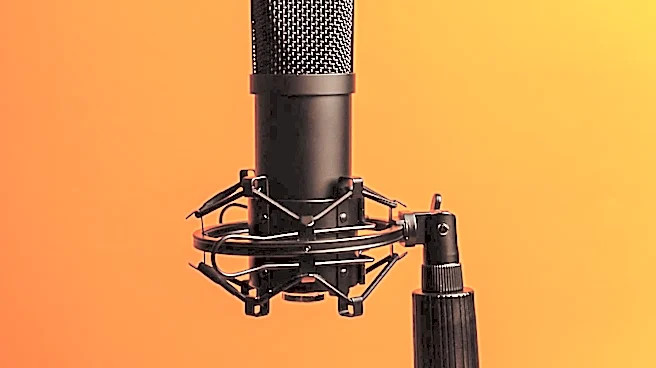
For creators, the most basic equipment needed for a podcast includes a computer and a microphone. To enhance audio quality, a sound-proof room and headphones are helpful. The computer requires recording or streaming software. Typical microphones for podcasting often connect via USB. For podcasts involving multiple participants, each person needs a microphone, and a USB audio interface is necessary to mix their audio together. If a podcast incorporates video, additional equipment such as a separate webcam and lighting may be required, demonstrating the scalable nature of podcast production from simple setups to more complex, multi-person or video-integrated productions.
Global Adoption and Cultural Impact
The adoption of podcasts has seen varied growth across different regions. In the United States, the success of podcasts like "Serial" in 2014 significantly boosted mainstream awareness and listening. In France, while the medium initially suffered from a lack of notoriety, by 2019, 9% of French people, or 3.4 million individuals, were listening to native podcasts (original content not previously broadcast on radio) at least once a week. By 2024, this figure had risen to 44% of French people reporting podcast listening.
In Canada, approximately one in three adults listened to at least one podcast per month by 2020. The COVID-19 pandemic also spurred a strong increase in children's podcasts in countries like France, Switzerland, and Canada, highlighting the medium's adaptability and growing appeal across different demographics and circumstances. This global reach and diverse content offerings underscore podcasting's transformation into a significant and influential form of media.