
Raclette is more than just a dish; it's a social event, a communal dining experience deeply embedded in Swiss culture, particularly originating from Valais. This melted cheese specialty, known for its
interactive preparation and delightful accompaniments, has transcended its humble beginnings to become a beloved tradition. It embodies the spirit of gathering, sharing, and savoring simple yet rich flavors, making it a popular choice for special occasions and cold weather gatherings.
Traditional Preparation and Modern Adaptations
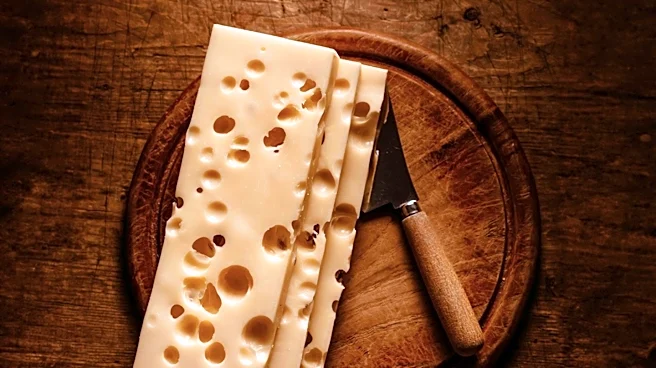
At the heart of raclette is the melting of cheese. Traditionally, this involved heating half a wheel of raclette cheese on its cut side, often by an open fire. As the cheese softened and melted, it would be skillfully scraped off onto a plate. This method, attested in Valais as early as 1574, speaks to the rustic origins of the dish, where cow herders would warm their cheese by campfires in the mountains. The French term "raclette" itself, commonly used since 1875, comes from the verb "racler," meaning "to scrape," directly referencing this traditional technique.
While the romantic image of cheese melting by a fire persists, modern raclette often utilizes electric appliances. These tabletop grills allow diners to melt individual portions of cheese, typically in small pans or paddles, right at the table. This adaptation has made raclette more accessible and convenient for home entertaining, transforming it into a highly interactive and personalized dining experience. Guests can control the melting of their own cheese, adding to the convivial atmosphere.
Essential Accompaniments and Beverages
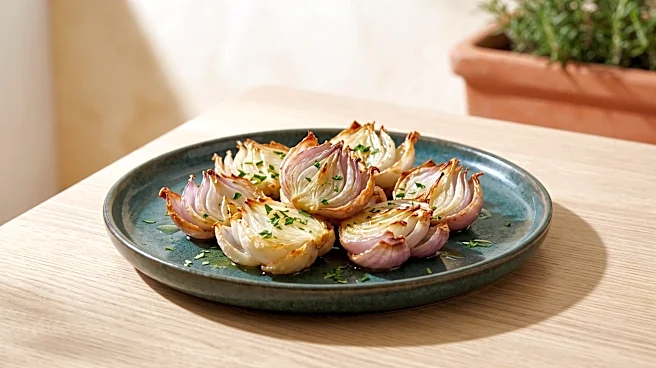
The melted raclette cheese is traditionally served with a specific set of accompaniments that complement its rich flavor. Skin-on potatoes are a fundamental component, providing a hearty base for the warm, gooey cheese. Mixed pickles, particularly cornichons (fermented, pickled cucumbers) and pickled onions, are also essential. Their tangy, acidic notes cut through the richness of the cheese, creating a balanced and satisfying bite. In Valais, black tea is a common beverage served alongside raclette, as it is believed to aid digestion. Other warm beverages are also popular for the same reason.
Beyond Valais, other beverage pairings have emerged. A popular French option is to serve raclette with white wine, such as Savoy wine. Riesling and Pinot Gris are also frequently chosen. The choice of beverage often depends on regional preferences and personal taste, but the underlying principle remains to select drinks that enhance the overall dining experience and help balance the meal's richness. The combination of warm, melted cheese, earthy potatoes, and sharp pickles, all enjoyed in a relaxed setting, defines the raclette experience.
Raclette as a Convivial and Seasonal Dish
Unlike staple foods such as muesli or rösti, fondue and raclette are not typically consumed daily. Instead, they are considered convivial dishes, intended for special occasions and social gatherings. Their popularity surges during colder weather, making them synonymous with winter sports and mountain culture. The act of sharing a raclette meal fosters a sense of community and warmth, making it a cherished tradition for families and friends.
Raclette's journey from a practical meal for Alpine peasants to a celebrated national and international dish highlights its enduring appeal. Its promotion as a national dish of Valais at the 1909 Cantonal Exhibition of Sion and its subsequent rise to national and international popularity after the 1964 National Exhibition underscore its cultural significance. Whether prepared traditionally by a fire or with modern electric grills, raclette continues to offer a unique and enjoyable dining experience that brings people together.