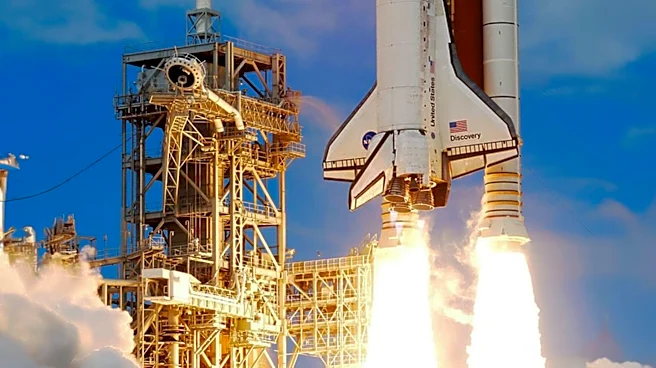



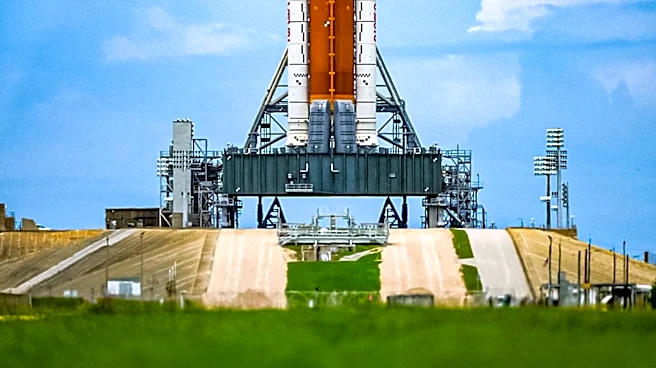
The STS-114 mission marked a pivotal moment in NASA's Space Shuttle program as it was the first mission to launch after the tragic Columbia disaster. This mission, commanded by Eileen Collins aboard the Space Shuttle Discovery, was not just a routine flight but a symbol of resilience and recovery. Launched on July 26, 2005, STS-114 was a testament to NASA's commitment to safety and innovation in space exploration.
The Challenges of Returning to Flight
The Columbia disaster in February
2003 had left a significant impact on NASA and the Space Shuttle program. The loss of Columbia was a stark reminder of the risks involved in space travel, prompting NASA to invest two and a half years and over a billion dollars to address the causes of the accident. Despite these efforts, the launch of STS-114 was not without its challenges. Originally scheduled for July 13, 2005, the launch was delayed due to unresolved fuel sensor anomalies in the external tank. These issues highlighted the complexities and uncertainties that NASA had to navigate to ensure a safe return to flight.
The mission was initially planned to be flown by the orbiter Atlantis, but due to improperly installed gear in its Rudder Speed Brake system, Discovery was chosen instead. This decision underscored the meticulous attention to detail required to prepare the shuttle for a successful mission. The replacement of the Rudder Speed Brake system on all remaining orbiters was a crucial step in ensuring the safety of the crew and the success of the mission.
Mission Objectives and Achievements
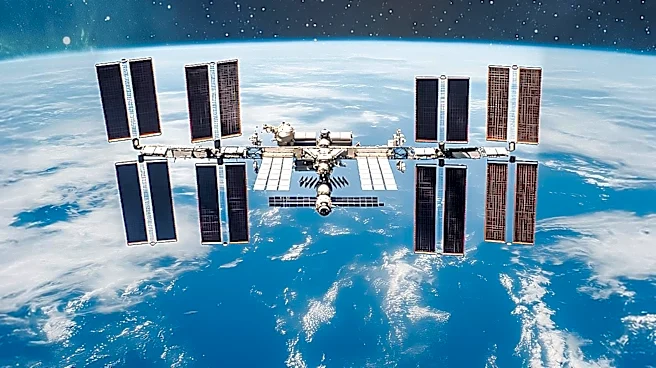
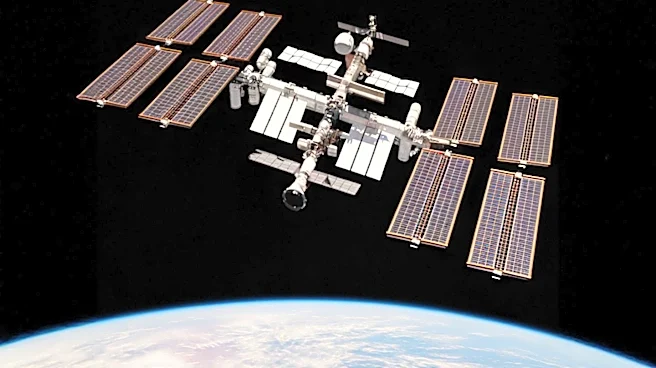
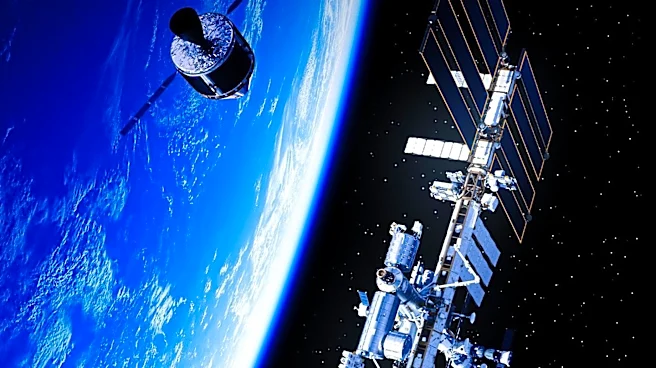
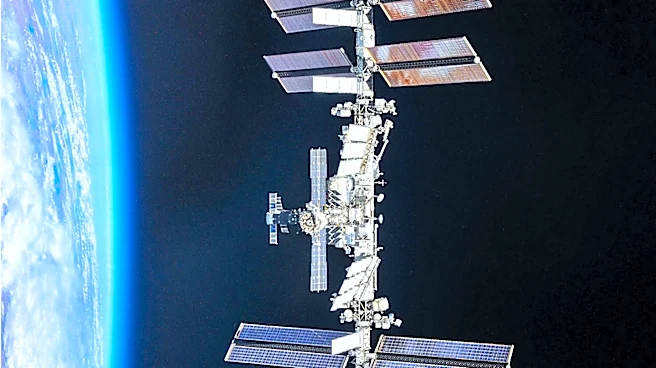
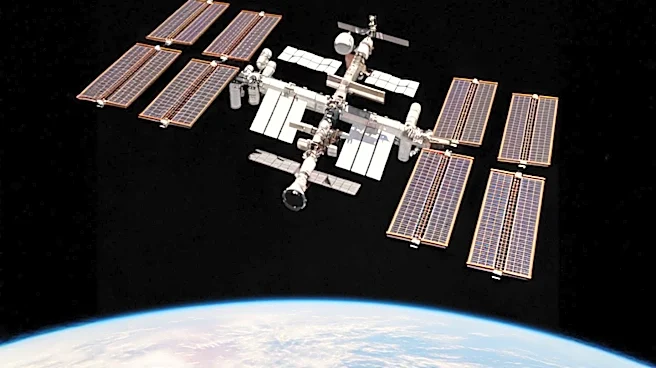
STS-114 was classified as Logistics Flight 1, with the primary objective of delivering supplies to the International Space Station (ISS). The mission carried the Raffaello Multi-Purpose Logistics Module, built by the Italian Space Agency, and the External Stowage Platform-2. These components were essential for the continued operation and maintenance of the ISS. Additionally, the mission involved the deployment of MISSE 5 to the station's exterior and the replacement of one of the ISS's Control Moment Gyroscopes.
The mission also served as a platform for testing new safety procedures and technologies. The Orbital Boom Sensor System (OBSS) was used to inspect the shuttle's heat shield for potential damage, a critical advancement in ensuring the safety of future missions. This focus on safety and innovation was a direct response to the lessons learned from the Columbia disaster.
Legacy of STS-114
The successful completion of STS-114 was a significant milestone for NASA and the Space Shuttle program. It demonstrated NASA's ability to overcome adversity and continue its mission of space exploration. The mission's success paved the way for future flights, including STS-121, which further tested and refined the safety measures implemented after Columbia.
Eileen Collins, the mission commander, emphasized the importance of learning from past experiences to make each successive mission safer. Her leadership and the dedication of the entire STS-114 crew were instrumental in restoring confidence in the Space Shuttle program. The mission not only honored the memory of the Columbia crew but also set a new standard for safety and excellence in space exploration.