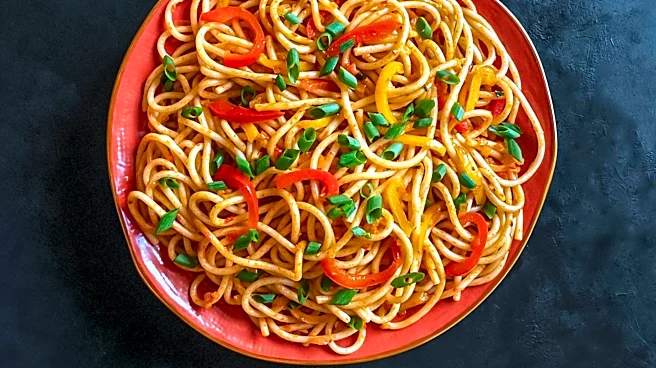



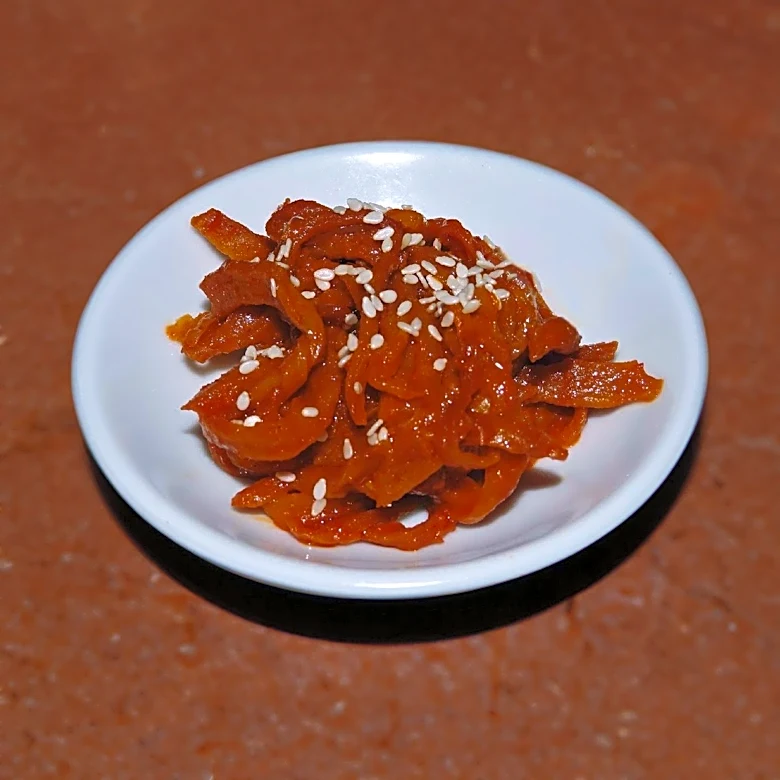


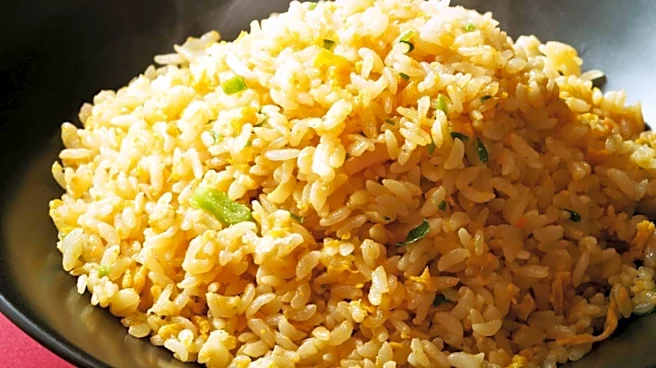


Lo mein, a beloved dish in American Chinese cuisine, has undergone significant transformation from its traditional roots. Originating from China, lo mein has adapted to American tastes and preferences, becoming a popular take-out option across the United States. This article delves into the evolution of lo mein, highlighting its journey from a traditional Chinese dish to a staple in American Chinese restaurants.
Traditional Lo Mein
In its country of origin, lo mein is
a dish made with thin flour-and-egg noodles known for their elastic texture. The term "lo mein" comes from the Cantonese phrase meaning "stirred noodles." Traditionally, lo mein is a dry variant of noodle soup, where the broth is separated and served as a side dish. The noodles are often topped with or accompanied by meat, such as char siu or beef brisket, wontons, or vegetables, and may be served with a bowl of broth.
The Cantonese style of lo mein involves mixing the noodles with a light sauce and various ingredients. This version is distinct from the crispy chow mein, which is another popular noodle dish. The traditional preparation focuses on the delicate balance of flavors and textures, with the noodles being the star of the dish.
American Adaptation
In the United States, lo mein has become synonymous with American Chinese cuisine, often considered interchangeable with chow mein. However, American-style lo mein differs significantly from its traditional counterpart. In American Chinese restaurants, lo mein noodles are typically stir-fried with a sauce made from soy sauce and other seasonings. This version is more robust in flavor, catering to the American palate.
Vegetables such as bok choy and cabbage are commonly mixed into the dish, along with meats like roast pork, beef, or chicken. Variations such as shrimp lo mein, lobster lo mein, and vegetable lo mein are also popular. The American adaptation of lo mein emphasizes convenience and flavor, making it a favorite choice for take-out and delivery.
Cultural Impact
The popularity of lo mein in the United States reflects the broader trend of Chinese cuisine adapting to local tastes. As Chinese immigrants settled in America, they brought their culinary traditions with them, which gradually evolved to suit the preferences of their new home. Lo mein's transformation is a testament to the dynamic nature of food culture and its ability to bridge different culinary worlds.
Today, lo mein is not just a dish but a symbol of cultural exchange and adaptation. It represents the blending of traditional Chinese cooking techniques with American flavors, creating a unique culinary experience that continues to delight diners across the country. As American Chinese cuisine evolves, lo mein remains a beloved staple, cherished for its rich flavors and comforting familiarity.