



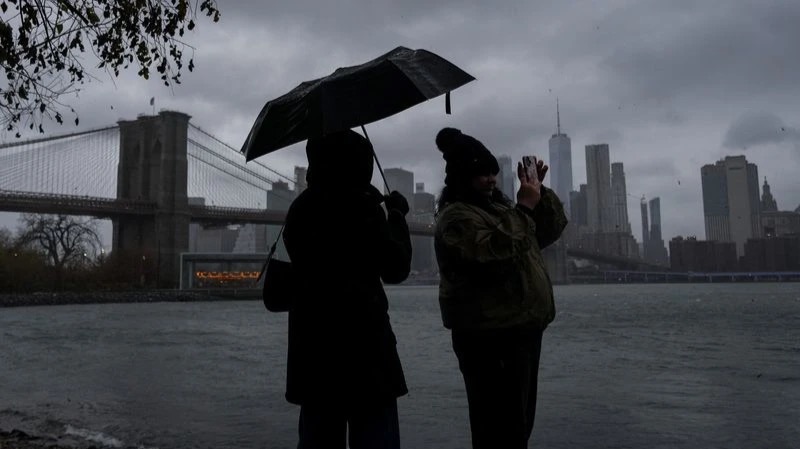
Hurricane Sandy, an extratropical cyclone, made landfall near Atlantic City, New Jersey, on October 29, 2012, approximately 100 miles south of New York City. Despite the distance, its immense size, with gale-force winds spanning about 1,000 miles in diameter, unleashed a wall of water into southeastern New York from both New York Harbor and the Long Island Sound. This powerful storm brought record high tides and a significant storm surge, which is the rise
in water above the normally expected high tide. The timing of this surge, coinciding with normal high tide and a full moon, exacerbated the flooding, leading to widespread destruction across the state.
Unprecedented Flooding and Structural Damage
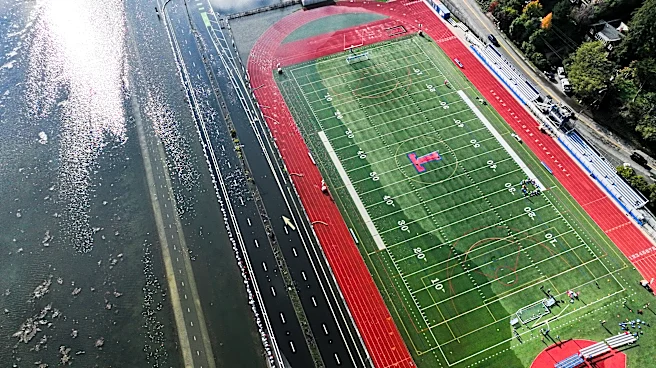
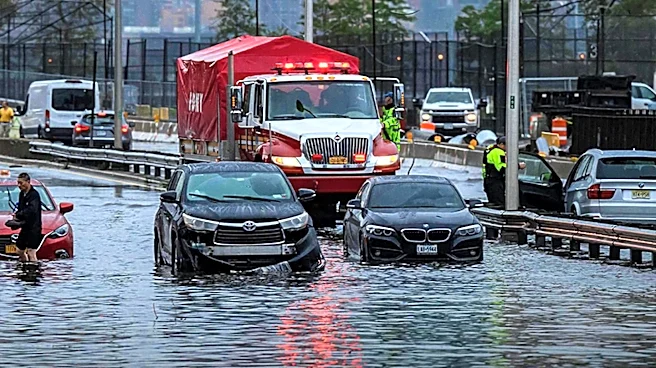
The storm surge reached unprecedented levels in New York. At Kings Point, located at the western end of the Long Island Sound, a storm surge of 12.65 feet above normal tide levels was recorded. Even more critically, at the Battery on the southern tip of Manhattan, the storm surge hit 9.40 feet, corresponding to 14.06 feet above the average low tide. This marked the highest water level ever recorded in that location, surpassing the previous record set by the December 1992 nor'easter. Overall, about 17% of New York City, equating to 51 square miles, was inundated during Sandy, exceeding the 100-year flood predictions by the Federal Emergency Management Agency (FEMA).
Coastal areas suffered immensely, with oceanfront locations experiencing an additional 12 feet of water on top of high tides. This led to the erosion of over 3 million cubic yards of beaches in New York City. However, areas with nourished beaches, dunes, or bulkheads generally experienced less severe flooding. The structural damage was extensive, with approximately 100,000 homes on Long Island either damaged, destroyed, or severely flooded. By December 10, 2012, more than 2,000 homes were deemed uninhabitable. In New York City alone, floodwaters entered the homes of over 443,000 people and more than 23,400 businesses.
Widespread Power Outages and Transportation Disruptions
Sandy's impact on New York's power grid was immediate and severe. Nearly 2 million people in New York City lost power, and statewide, over 1 million people lost cellphone service. Con Edison, the primary utility provider, faced a monumental task in restoring electricity. As of November 1, over 600,000 customers across the five boroughs were still without power. While Con Ed initially predicted most of Manhattan would be restored by November 3, the full restoration for many customers stretched into the weekend of November 10 and 11, with some remaining outages taking an additional week. On Long Island, LIPA reported over 532,000 customers without power, down from more than 900,000.
The storm also brought the New York City Subway system to a complete halt, with service suspended for days, and parts of it remaining closed for months. All PATH train service and stations were shut down, and all bus carriers at the Port Authority Bus Terminal closed. The Metro-North Railroad and the Long Island Rail Road also suspended service. This widespread transportation shutdown significantly hampered recovery efforts and daily life. Even the Tappan Zee Bridge was closed due to high wind conditions. The economic toll was staggering, with estimated losses in New York City alone reaching roughly $19 billion, and an estimated $32.8 billion required for restoration across the entire state.
Human Toll and Community Impact
The human cost of Hurricane Sandy in New York was tragic. At least 43 people died in New York City directly due to the storm, with 53 fatalities across the state. Most of the deaths in the city occurred in Staten Island. An additional five deaths were attributed to carbon monoxide poisoning, resulting from people using generators inside their homes during power outages. The storm's effects disproportionately impacted vulnerable populations; about 75,000 people in poor health were affected by floodwaters, and another 54,000 in poor health were in areas without power. The destruction extended to significant landmarks, with the Old Orchard Shoal Light in New York Harbor being destroyed by the hurricane.