










Personal grooming is not just a human activity; it plays a crucial role in the animal kingdom as well. Animals engage in grooming behaviors to maintain their hygiene and ensure their survival. This article delves into the various ways animals groom themselves and the significance of these actions in their daily lives.
Grooming for Hygiene
Animals regularly clean themselves to remove foreign objects such as insects, leaves, dirt, twigs, and parasites. This form of grooming
is essential for maintaining hygiene and preventing infections. Birds, for instance, spend considerable time preening their feathers. This activity helps them remove ectoparasites, keep their feathers in good aerodynamic condition, and waterproof them. Birds use preen oil secreted by the uropygial gland, dust from down feathers, or other methods like dust-bathing or anting to achieve this.
During oil spills, animal conservationists sometimes dress penguins in knitted sweaters to prevent them from preening and ingesting harmful mineral oil. This highlights the importance of grooming in maintaining health and the lengths humans go to protect animals from environmental hazards.
Social and Mutual Grooming
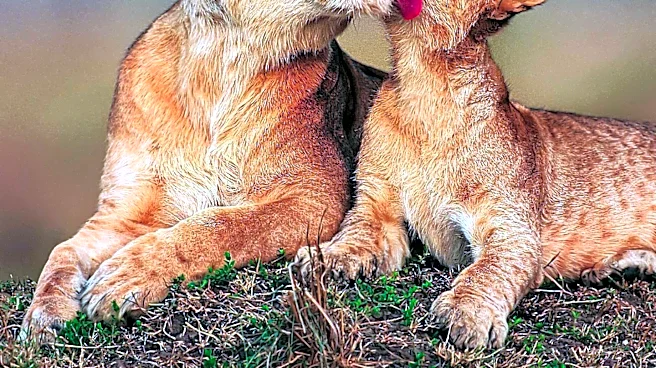
Grooming is not only a solitary activity but also a social one. Mutual grooming among animals can strengthen social bonds and establish hierarchies within groups. In human relationships, mutual grooming is closely related to social grooming, fulfilling basic instincts such as socializing, cooperating, and learning from each other. Studies suggest that mutual grooming in humans is linked to relationship satisfaction, trust, and previous experiences of affection within the family.
Even though humans do not groom each other with the same intensity as other species, they are considered excellent groomers. Mutual grooming plays a significant role in pair bonding, and individuals with more promiscuous attitudes or higher anxiety levels tend to groom their partners more frequently.
Cross-Cultural Differences in Grooming
Grooming behaviors can vary significantly across cultures. A study comparing urban families in Burma and the United States found notable differences in caregiver-to-child grooming rates. Burmese caregivers groomed children more frequently than their American counterparts. In the U.S., grooming is often concentrated during activities explicitly structured around hygiene goals, such as bath time.
In contrast, Burmese parents maintain constant vigilance regarding infection risks, distributing grooming more evenly throughout daily activities. This cross-cultural comparison underscores the diverse approaches to grooming and its importance in caregiving practices.