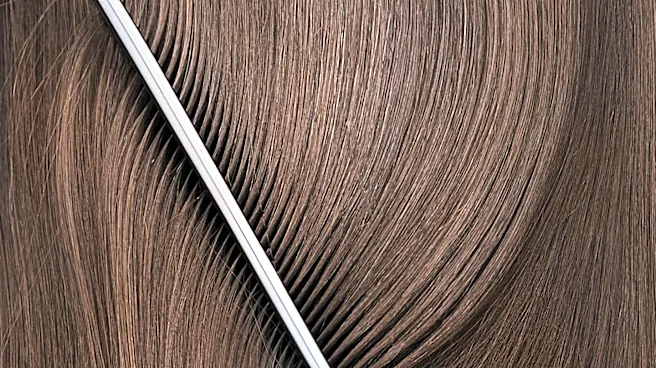






Maintaining healthy hair goes beyond just styling; it involves understanding and addressing various forms of damage and scalp conditions. Hair, particularly its ends, is susceptible to damage from environmental factors, chemical treatments, and heat styling. As hair grows, the natural protective oils from the scalp may not reach the ends, leaving them vulnerable. This vulnerability, combined with exposure to sun, frequent washing, and heat from styling tools,
can lead to dry, brittle hair and common issues like split ends. Recognizing these challenges is the first step toward effective hair care and treatment.
The Causes and Characteristics of Split Ends
Split ends, formally known as trichoptilosis, occur when the protective cuticle of the hair fiber is stripped away from the ends. This condition is a common indicator of hair damage and can be intensified by infrequent trims and a lack of hydrating treatments. Once hair ends reach about 10 centimeters in length, they are considered "old" due to their prolonged exposure to external stressors. This extended exposure makes them more prone to splitting.
Any form of chemical or physical trauma, including excessive heat, can weather the hair and eventually lead to split ends. Typically, a damaged hair fiber will split into two or three strands, with the split potentially extending two to three centimeters in length. While most often observed in long hair, split ends can also affect shorter hair that is not in good condition, indicating that length is not the sole determinant of this type of damage. Addressing split ends often requires trimming the damaged portions and implementing hydrating treatments to restore hair health.
Broader Hair Breakage and Scalp Disorders
Beyond split ends, hair can suffer from a range of other damages, including breakage. Chemical exposure, prolonged or repeated heat exposure from styling tools, and processes like perming and chemical straightening are significant contributors to hair damage. For rough hair and dry scalps, oil can be detrimental as it may decrease nourishment, leading to further splitting and hair fall. When hair exhibits unusual behavior or a scalp skin disorder arises, it often necessitates professional consultation, not only from a qualified physician but sometimes also a dermatologist or a trichologist.
Conditions requiring such professional help include various forms of alopecia, hair pulling or picking, hair that sticks straight out, the appearance of black dots on the hair, and rashes or burns resulting from chemical processes. Certain hair products can also contribute to damage; for instance, gel, while providing a shiny look, can dry out hair and make it rough. Scalp skin itself can be afflicted by infestations of mites or lice, infections of the follicles, or fungal issues. Allergic reactions to ingredients in chemical preparations, including shampoos and conditioners, are also possible. Common concerns like dandruff, often linked to excessive sebum, as well as psoriasis, eczema, or seborrheic dermatitis, also fall under the umbrella of scalp disorders.
Recognizing Symptoms and Seeking Professional Help
Several symptoms can indicate a need for professional assistance from a dermatologist or trichologist for diagnosis. These include an abnormal odor that persists for weeks despite regular washing, bleeding, bumps, caking skin buildup that appears white or a different color than one's natural skin tone, chafes, clumps of hair falling out, and clumpy flakes that do not easily slough off the scalp. Excessive itchiness that doesn't subside after a few hair washes, redness of the scalp skin, patches of thinning hair, and pus-like drainage are also critical signs.
It is important to note that not all flakes are dandruff; some can simply be product buildup on the scalp. For example, applying conditioner directly to the scalp without washing it off can lead to it drying and flaking, mimicking dandruff and even causing itchiness, but without any underlying health effects. However, any persistent or severe symptoms warrant professional evaluation. Hair loss, often linked to hormonal issues, is another common concern. Fluctuations in hormones frequently manifest in hair changes, and baldness can affect women just as it does men. Conditions like thyroid disease, which can cause hair to fall out in clumps, are sometimes under-diagnosed, highlighting the importance of comprehensive medical evaluation when hair health issues arise.