



Aromatherapy, a practice that uses essential oils for psychological well-being, has a rich history that dates back to ancient civilizations. While today it is often associated with relaxation and holistic health, its origins are deeply rooted in the practices of ancient cultures. This article explores the historical journey of aromatherapy, from its early uses in Ancient Egypt to its modern-day applications.
Ancient Beginnings
The history of aromatherapy can be traced
back to Ancient Egypt, where essential oils were used for both cosmetic and medicinal purposes. Egyptians were pioneers in the use of aromatic plants, incorporating them into their daily lives for a variety of applications. Essential oils were not only used for their pleasant scents but also for their perceived healing properties. This early use of essential oils laid the groundwork for what would eventually become known as aromatherapy.
In addition to Egypt, other ancient civilizations also recognized the value of aromatic plants. Across the globe, cultures utilized these natural resources for therapeutic purposes. The use of essential oils in these early societies highlights a universal appreciation for the benefits of aromatics, which transcended geographical boundaries.
The Rediscovery in the 20th Century
The term "aromatherapy" itself was coined in the 20th century, thanks to the work of French chemist Jean-Maurice Gattefosse. Gattefosse is credited with rediscovering the healing powers of lavender essential oil after using it to treat a severe burn. His work brought renewed attention to the potential benefits of essential oils, sparking interest in their therapeutic applications.
Gattefosse's research marked a turning point in the history of aromatherapy, as it shifted from being a traditional practice to a more scientifically recognized field. This rediscovery in the 20th century helped to establish aromatherapy as a legitimate form of alternative medicine, paving the way for further exploration and study.
Modern Applications and Perceptions
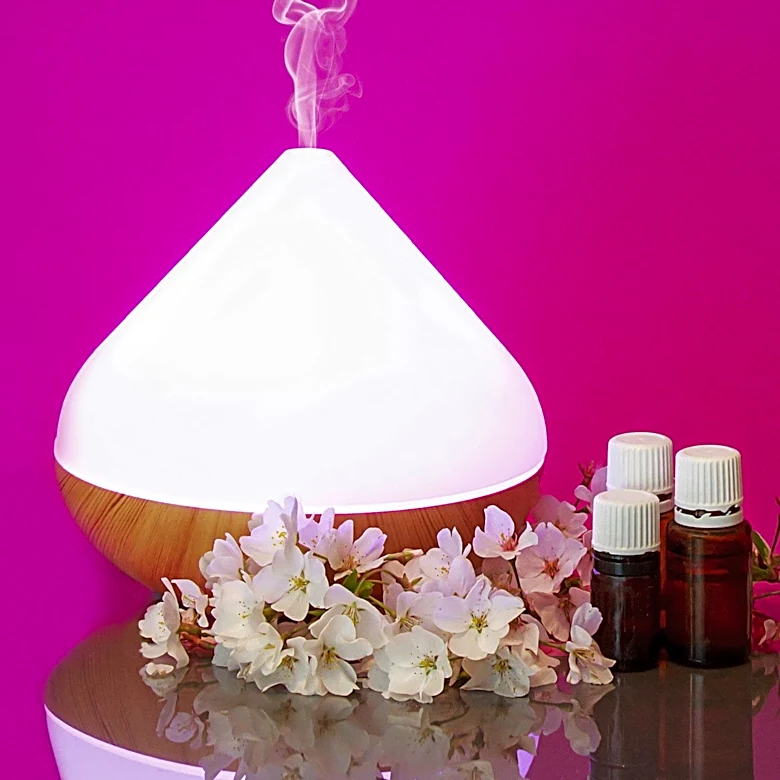
Today, aromatherapy is widely used for its psychological benefits, often through inhalation. While it lacks medical evidence for curing diseases, it is popular for promoting relaxation and well-being. The practice has evolved to include a variety of methods, such as diffusers and aroma lamps, which allow users to experience the benefits of essential oils in their homes.
Despite its popularity, aromatherapy remains a subject of debate within the medical community. While some practitioners advocate for its therapeutic potential, others caution against viewing it as a cure-all. Nevertheless, the historical roots of aromatherapy continue to influence its modern applications, as people seek natural ways to enhance their mental and emotional health.