





The Philippines, with its over 7,000 islands, has a complex cultural identity shaped by its colonial past. The names given to the islands by European explorers and colonizers have left a lasting impact on the country's cultural and national identity. This article explores how these names have influenced the Philippines' cultural landscape.
The Origins of the Name "Philippines"
The name "Philippines" has its roots in the Spanish colonial era. In 1542, Spanish explorer Ruy López de Villalobos
named the islands of Leyte and Samar "Felipinas" in honor of Prince Philip of Asturias. This name gradually extended to the entire archipelago, becoming "Las Islas Filipinas." The use of a Spanish name for the islands reflects the deep influence of Spanish culture and language on the Philippines.
Before the Spanish established their rule, the islands were known by various names, such as "Islas del Poniente" and "Islas del Oriente." These names, used by explorers like Ferdinand Magellan, highlighted the islands' geographical significance. The adoption of the name "Philippines" marked the beginning of a new cultural era, where Spanish customs, religion, and language became integral to Filipino society.
The Influence of Colonial Names on Identity
The colonial names given to the Philippines have played a significant role in shaping the country's cultural identity. The name "Philippines" itself is a constant reminder of the Spanish colonial past. It signifies a period of history that brought about significant cultural changes, including the introduction of Christianity, which remains the dominant religion in the country.
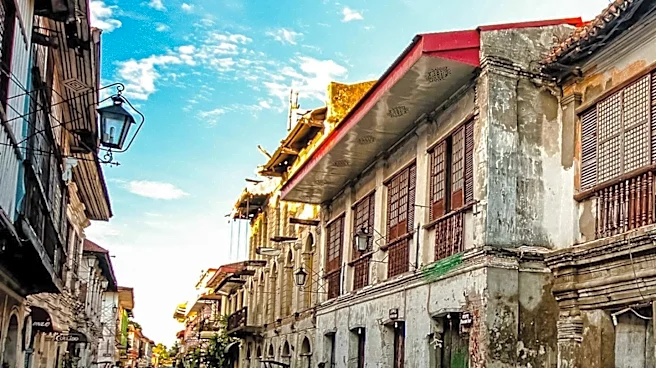
The use of Spanish names and terms in the Philippines is evident in many aspects of daily life, from place names to family names. This linguistic influence is a testament to the lasting impact of Spanish colonization. The blending of indigenous and Spanish cultures has created a unique Filipino identity that is both diverse and rich in history.
Modern Reflections on Colonial Influence
In modern times, the Philippines continues to reflect on its colonial past and its impact on national identity. The use of colonial names is sometimes seen as a symbol of historical oppression, but it is also embraced as part of the country's cultural heritage. The duality of this perspective highlights the complex relationship between the Philippines and its colonial history.
As the Philippines moves forward, the influence of colonial names remains a topic of cultural reflection and discussion. The country's journey from a colonized archipelago to an independent nation is a testament to its resilience and ability to integrate diverse cultural influences into a cohesive national identity.