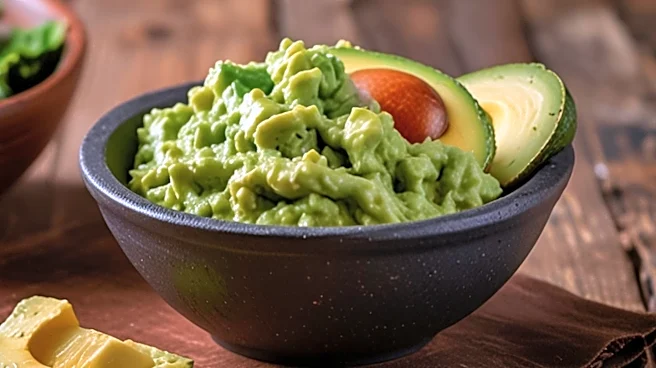

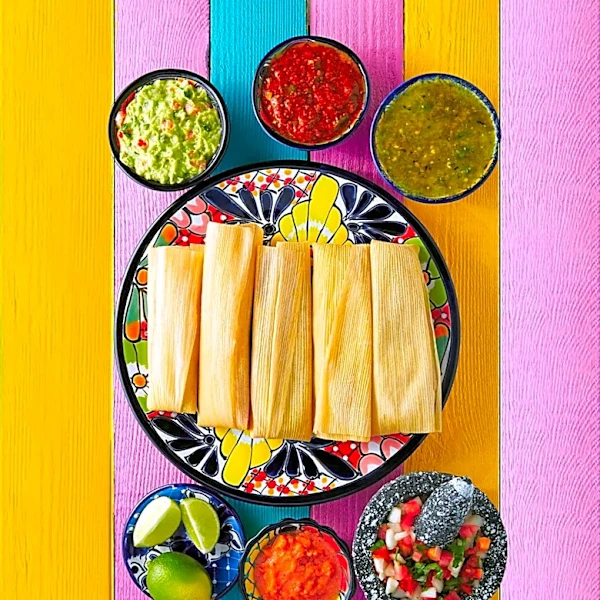





Guacamole, a beloved avocado-based dip, has a rich history that traces back to ancient Mexico. This traditional dish, known for its creamy texture and vibrant flavor, has evolved over centuries to become a staple in both Mexican and international cuisine. Understanding its origins and how it has transformed over time offers a fascinating glimpse into the cultural and culinary history of this iconic dish.
Ancient Beginnings
The history of guacamole begins with the Aztecs,
who first created this avocado-based dish in what is now Mexico. Avocado seeds have been found in the Tehuacan Valley of Mexico, dating back 9,000 to 10,000 years, indicating the long-standing presence of avocados in the region. By 5000 BCE, avocados were domesticated by various Mesoamerican groups, highlighting their importance in the diet and culture of these ancient civilizations.
The Aztecs referred to guacamole as "ahuacamolli," which translates to "avocado sauce" in the Nahuatl language. This early version of guacamole was made by mashing avocados with other ingredients like tomatoes and chili peppers, creating a flavorful and nutritious dish that was enjoyed by many.
Guacamole's Journey to the Modern Era
Guacamole's journey from ancient times to the modern era is marked by its introduction to different cultures and cuisines. The first known description of a guacamole-like recipe was recorded in 1697 by English privateer and naturalist William Dampier. During his travels in Central America, Dampier noted a native preparation made by grinding avocados with sugar and lime juice, showcasing the dish's adaptability and appeal.
In the 20th century, guacamole gained popularity in the United States, particularly after the U.S. government lifted a ban on avocado imports in the 1990s. This change, coupled with the growth of the U.S. Latino population, led to a significant increase in avocado sales and the widespread adoption of guacamole as a favorite dip, especially during events like Super Bowl Sunday and Cinco de Mayo.
Cultural Significance and Variations
Guacamole's cultural significance extends beyond its delicious taste. It represents a connection to Mexican heritage and culinary traditions, serving as a symbol of the rich history and diversity of Mexican cuisine. The dish's simplicity and versatility have allowed it to be adapted in various ways, with modern recipes incorporating ingredients like sour cream, basil, or even peas.
Despite these variations, traditional guacamole remains a beloved dish that continues to bring people together. Its enduring popularity is a testament to its timeless appeal and the way it bridges cultural and culinary divides, making it a cherished part of both Mexican and global cuisine.