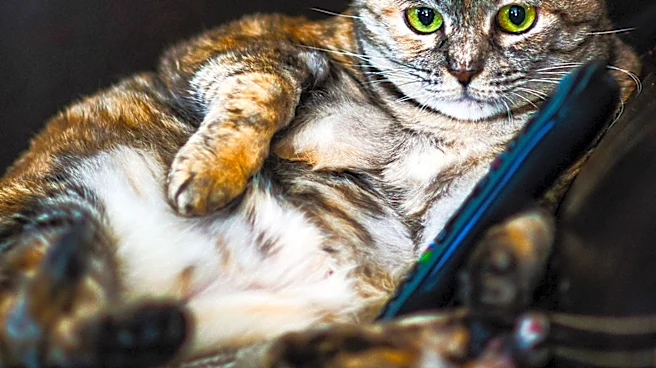

Tortoiseshell cats are widely recognized for their distinctive bicolored coats, which feature an asymmetrical distribution of two colors other than white. These colors are always a combination of one eumelanistic
shade (such as black, blue, chocolate, lilac, cinnamon, or fawn) and one phaeomelanistic shade (red or cream). While the classic black and red tortoiseshell is the most common, the world of tortie coats is far more diverse, encompassing a range of patterns and color dilutions that add to their unique appeal. These variations can occur across many different cat breeds, as well as in non-purebred domestic cats, making the tortoiseshell pattern a widespread and fascinating feline trait.
The appearance of these coats, whether closely mixed or in larger patches, is a result of intricate genetic interactions. The term "tortoiseshell" itself is derived from the pattern's resemblance to the material once used for decorative items. Understanding the different ways these colors manifest, especially in combination with other genetic factors, reveals the full spectrum of tortoiseshell beauty.
The Influence of Tabby Patterns: Torbies
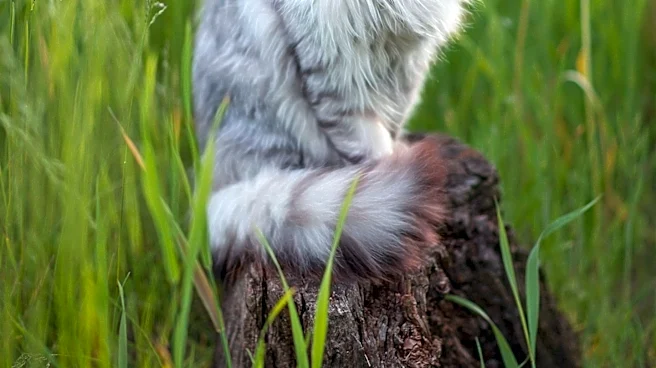
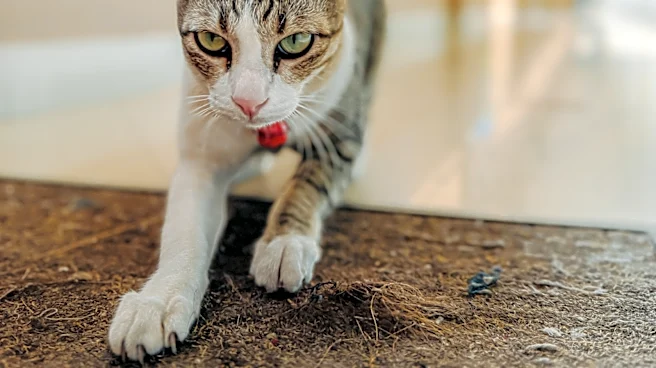
One significant variation in tortoiseshell cats involves the integration of tabby patterns. Tortoiseshell can occur in combination with other cat coat patterns, such as tabby and colorpoints. When a tortoiseshell cat exhibits the tabby pattern within its eumelanistic color, it is known as a tortoiseshell tabby cat, or more commonly, a "torbie." This means that the black, blue, chocolate, or other eumelanistic patches will display the characteristic stripes, dots, or lines associated with tabby markings.
Interestingly, the red or cream parts of a tortoiseshell cat's coat always show some form of tabby patterning, even if it's subtle. Therefore, a cat is specifically called a torbie when the black series colors also exhibit tabby markings. If the black series colors are solid, the cat is considered a solid or self-tortoiseshell. The presence of the tabby pattern adds another layer of complexity and visual interest to the already striking tortoiseshell coat, creating a cat with both bicolored patches and striped details.
Dilute Colors and Their Combinations
The basic colors of a tortoiseshell cat can be further modified by a recessive dilute gene, which softens the intensity of the pigments. This dilute gene transforms the primary colors into lighter shades: red becomes cream, black becomes blue, chocolate becomes lilac, and cinnamon becomes fawn. This genetic modification significantly expands the range of tortoiseshell color combinations.
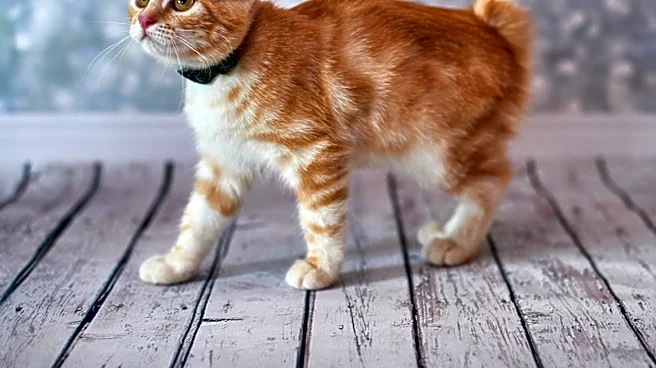
As a result, all tortoiseshell cats will display a combination of either two basic colors (like red with black, chocolate, or cinnamon) or two dilute colors (such as cream with blue, lilac, or fawn). This means that a tortoiseshell cat might be a "chocolate tortoiseshell," featuring chocolate and red, or a "blue tortoiseshell," showcasing blue and cream. The specific dilute colors present depend on the alleles for the (B) and (D) genes. While black and red remain the most common due to genetic dominance, the dilute variations offer a softer, often pastel, interpretation of the classic tortie pattern. Colloquial terms are frequently used for these colors, with blue sometimes being referred to as "grey" and red as "orange" or "ginger," further illustrating the diverse terminology used to describe these beautiful feline coats.
Distinguishing Tortoiseshell from Tricolor Cats
It is important to distinguish between tortoiseshell cats and tricolor cats, often known as calico cats in North American English. While both share similar genetic underpinnings and are almost exclusively female, the key difference lies in the presence of white markings. Tortoiseshell cats are defined by their two colors other than white, distributed asymmetrically. Some white around the muzzle is accepted, but for a cat to be considered a tricolor or calico, it must have significant blotches of two different colors *and* white.
This distinction is crucial for classification. A tortoiseshell cat with the tabby pattern and white is sometimes called a "tortoiseshell tabby and white" or "tabby tricolor" (torbico). The absence or presence of substantial white areas is the primary factor in differentiating a pure tortoiseshell from a calico. This highlights how subtle genetic variations can lead to distinct visual classifications within the broader category of bicolored and tricolored felines.