






The debut of "Premiere" on June 25, 1951, marked a historic moment as the first commercially sponsored color television program. However, bringing this vision to life was an arduous task, fraught with technical complexities and significant logistical challenges. CBS's field-sequential color system, while approved by the FCC, presented inherent difficulties, particularly its incompatibility with existing black-and-white televisions. Beyond the technical specifications,
the practicalities of producing a live color broadcast in 1951, coupled with the scarcity of color receivers, created a demanding environment for everyone involved, from engineers to performers.
The Electro-Mechanical System and Its Limitations
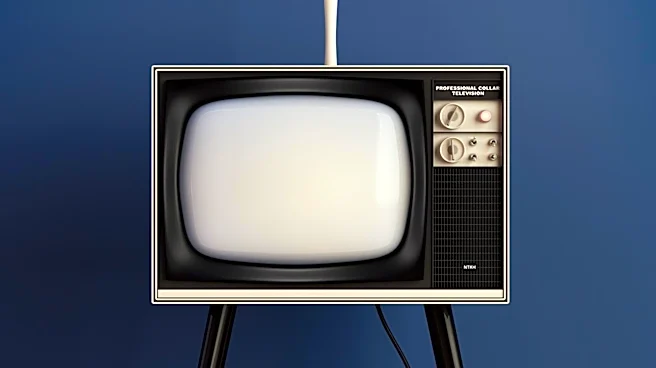
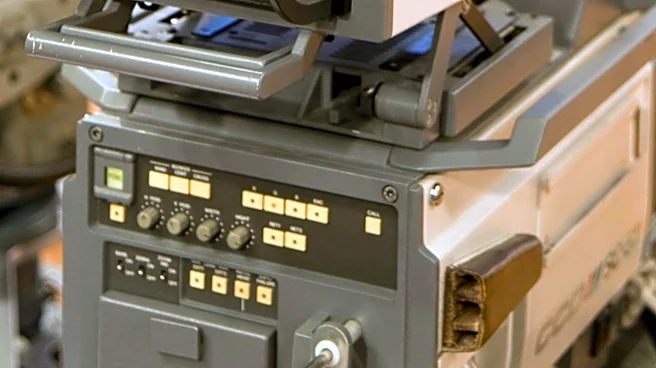
CBS's chosen field-sequential color broadcasting system was an electro-mechanical marvel for its time, yet it carried notable limitations. The system operated by transmitting monochrome images electronically, with color then introduced mechanically. This was achieved by placing a rapidly spinning transparent tricolor disk, rotating at 1440 revolutions per minute, in front of the television screen. This Red-Green-Blue disk, when precisely synchronized with a corresponding spinning disk within the color television camera, created the impression of full color. While innovative, this mechanical aspect was a key source of its incompatibility. Standard monochrome television sets, unless specifically modified, could not properly interpret these transmissions, rendering them as distorted lines and squiggles. Only a very small number of sets might produce four small black-and-white images in each corner of the screen. This fundamental incompatibility meant that the vast majority of the viewing public would be unable to experience the broadcast in its intended color, severely limiting its immediate impact and adoption.
Production Challenges in the Studio
Producing a live color broadcast in 1951 was a demanding endeavor. Rehearsals for "Premiere" commenced on Thursday, June 21, and continued right up to the broadcast day. Directing duties were split between CBS Executive Producer Fred Rickey, who handled the entertainment segments, and CBS Director Frances Buss, who managed the commercials. A considerable amount of effort was dedicated to achieving accurate color display. This involved meticulous adjustments to lighting angles and frequent changes and repositioning of props to ensure optimal visual presentation. For the female performers, "regular TV color makeup" was applied, including a special pink lipstick, to enhance their appearance on color screens. However, the faces of some participants proved problematic; for instance, Ed Sullivan was advised to wear a cap during his golfing activities that week to prevent a deep tan that would unflatteringly contrast with the paler complexions of others on screen.
The studio conditions themselves were extreme. The intense lighting required for the color broadcast caused temperatures inside the studio to soar to approximately 120 degrees Fahrenheit (50 degrees Celsius). To make matters worse, cooling fans had to be turned off due to the excessive noise they generated, adding to the discomfort of the cast and crew. During rehearsals, the physical strain was evident: part of the studio floor buckled, and food items intended for display melted and ran under the heat. The stress on the performers and crew was palpable, with CBS Vice President Adrian Murphy humorously remarking, "Now I know how it feels to be pregnant." Despite these formidable challenges, the show ultimately went off as planned, a testament to the dedication of those involved.
The Scarcity of Color Receivers and Public Viewing
One of the most significant hurdles for CBS's color initiative was the near-total absence of color receivers available to the public. Due to widespread manufacturer resistance, no color sets were being sold on the market. To address this, CBS had acquired television manufacturer Air King to produce its own CBS-Columbia Model 12CC2 dual color/black-and-white television set. However, orders for this $499.95 set would not be taken until late September, long after the "Premiere" broadcast. On the day of the broadcast, CBS had a very limited number of color receivers on hand. Some were needed for internal production, leaving only about twenty sets available for public and private viewing sites. In New York City and Washington, D.C., this small number was supplemented by homemade units constructed by hobbyists who had previously viewed experimental CBS color broadcasts. For instance, in New York City, eight CBS color receivers were placed at their studio for 400 guests, while an estimated 1,000 homemade units were available around the city. In Washington, D.C., four CBS receivers were available, none for the general public, with one at the Carlton Hotel for government officials and press. An estimated 125 homemade receivers existed in D.C., though many faced synchronization issues with the New York cameras due to differing electricity sources. This severe limitation meant that "Premiere," despite its historical significance, was witnessed in color by a very small audience, estimated by CBS to be around 40,000 viewers in total.