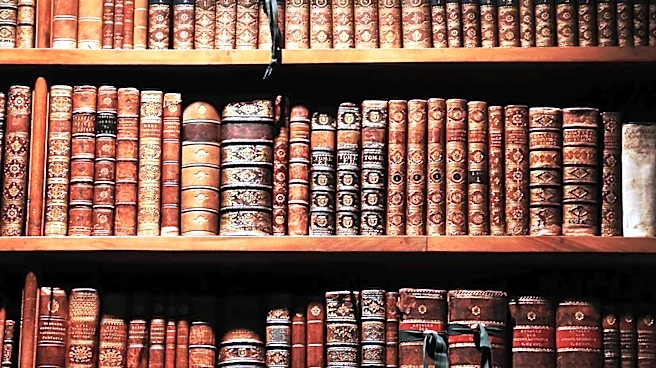









Preserving cultural heritage is a vital mission for libraries and archives around the world. One of the key challenges in this endeavor is the degradation of paper, particularly acidic paper, which threatens the longevity of valuable documents and books. Mass deacidification has emerged as a crucial tool in the fight against paper decay, playing a significant role in cultural preservation. This article explores how mass deacidification contributes
to safeguarding cultural heritage.
The Threat of Acidic Paper to Cultural Heritage
Acidic paper, widely used since the mid-19th century, poses a significant threat to the preservation of cultural heritage. The paper's inherent instability, due to the presence of acids, leads to yellowing, brittleness, and eventual disintegration. This degradation process, known as "slow fire," affects a vast number of documents and books, particularly those produced after the 1850s.
The loss of these materials would represent a significant blow to cultural heritage, as they contain valuable historical, literary, and scientific information. Libraries and archives, tasked with preserving these materials, face the challenge of finding effective methods to combat paper degradation and ensure the longevity of their collections.
Mass Deacidification as a Preservation Strategy
Mass deacidification has become a cornerstone of preservation strategies in libraries and archives. This process involves introducing an alkaline agent into the paper to neutralize existing acids and prevent further decay. By increasing the pH of the paper, mass deacidification helps stabilize the material, reducing the risk of degradation.
The development of mass deacidification techniques has been driven by the need to preserve large volumes of materials efficiently and cost-effectively. Various methods have been explored, including aqueous, non-aqueous, and vaporous treatments, each with its own advantages and challenges. Despite the complexities involved, mass deacidification remains a vital tool in the preservation toolkit.
The Impact of Mass Deacidification on Cultural Preservation
The impact of mass deacidification on cultural preservation cannot be overstated. By extending the life of paper documents and books, this process helps ensure that valuable cultural and historical materials remain accessible to future generations. It allows libraries and archives to fulfill their mission of preserving the documented heritage of the past.
Moreover, mass deacidification supports broader preservation efforts by complementing other strategies such as digitization and microfilming. While these methods provide alternative means of accessing information, the physical preservation of original materials remains essential for maintaining the integrity and authenticity of cultural heritage.
In conclusion, mass deacidification plays a critical role in the preservation of cultural heritage. By addressing the challenges posed by acidic paper, this process helps safeguard valuable documents and books, ensuring that they continue to inform and inspire future generations.