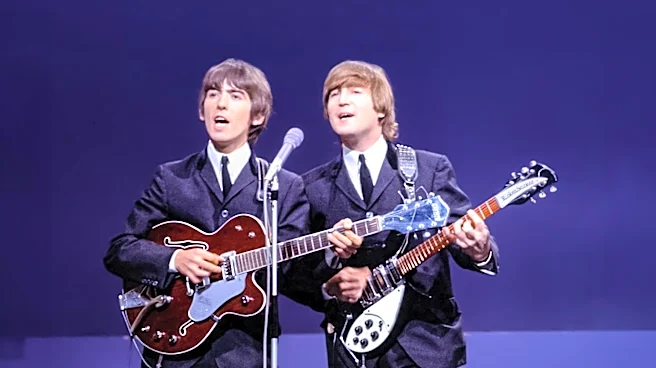

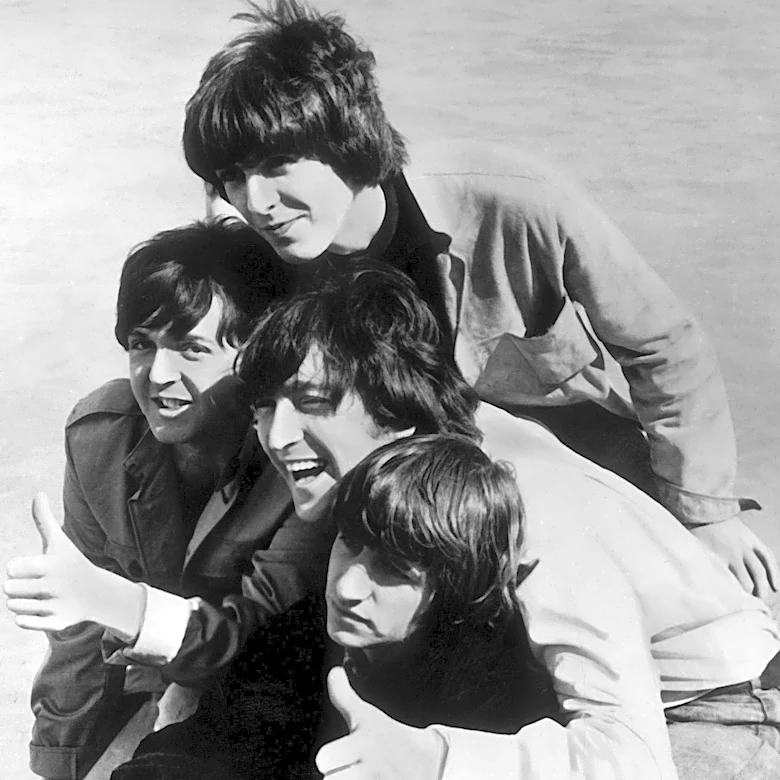
The English rock group the Beatles embarked on a significant tour of the United States and Canada between August 19 and September 20, 1964. This extensive series of 32 concerts marked the second stage of a larger world tour, following their engagements in Europe, Hong Kong, Australia, and New Zealand, and preceding their UK Autumn tour. For American fans, it was a highly anticipated return after their brief initial visit in February 1964. The tour solidified
the band's burgeoning popularity in North America, drawing massive crowds and generating considerable excitement across the continent.
The Scale and Success of the Tour
The 1964 North American tour was an ambitious undertaking, encompassing 32 shows across 24 cities within a 31-day period. The demand for tickets was immense, with most shows selling out rapidly. Attendance figures varied significantly, ranging from 4,000 spectators at some New York City venues to a staggering 28,000 in Baltimore. Financially, the tour was a resounding success for the Beatles, who earned a minimum of $50,000 per show. This impressive fee, equivalent to approximately $520,000 in 2025, allowed the band to accumulate over a million dollars throughout the entire tour.
This tour was not just a series of concerts; it was a cultural phenomenon. Writer June Skinner Sawyers later described it as "the first major rock-and-roll concert tour in the history of popular music," highlighting its pioneering role in shaping the landscape of live music. The tour's success was further underscored by the concurrent popularity of their music and film. Their albums, including "A Hard Day's Night" and "Something New," dominated the charts for nine weeks, while their first film, "A Hard Day's Night," grossed $1.3 million in its opening week, equivalent to about $13,500,000 in 2025. This widespread success fueled the excitement and anticipation for their country-wide tour.
Challenges and Fan Frenzy
Despite the immense success, the tour was characterized by intense fan reactions and logistical challenges. Shows were often marked by screaming fans and mobbing crowds, necessitating stringent security measures. To ensure the band's safety and movement, security teams frequently employed decoy limousines and unconventional transportation methods, such as delivery vans and ambulances. These precautions were often necessary to navigate the throngs of enthusiastic fans.
Incidents of fan frenzy were well-documented. In Vancouver, for instance, Variety magazine reported that 160 girls required treatment for injuries and distress after thousands of fans surged towards the security barriers in front of the stage. Similar scenes unfolded in Cleveland and Kansas City, where fans managed to break through police lines and climb onto the stage. In these instances, calm was only restored after the Beatles' press officer, Derek Taylor, intervened with threats to cancel the remainder of the concert. These events underscore the unprecedented level of adoration and excitement the Beatles generated during this period.
Notable Encounters and Social Stances
The tour also featured significant off-stage events, including a memorable meeting with Bob Dylan in New York. On August 28, while the Beatles were staying at the Hotel Delmonico, New York Post writer Al Aronowitz introduced Dylan to the group. This encounter led to the Beatles' first significant experience with marijuana, as Dylan suggested they try it. Paul McCartney later recalled becoming convinced he had discovered the meaning of life during this experience, asking roadie Mal Evans to write down his thoughts, which reportedly resulted in the phrase "There are Seven Levels." John Lennon and Dylan himself later reflected on the mutual admiration and impact of this meeting.
Beyond personal encounters, the Beatles also took a stand on social issues. During their time in Jacksonville, Florida, the band expressed strong opposition to racial segregation. Despite the Civil Rights Act having been signed in July 1964, prohibiting discrimination, the Beatles were concerned about potential segregation at their upcoming show. On September 6, they issued a press statement declaring, "We will not appear unless Negroes are allowed to sit anywhere." This stance was met with some local resistance, including an editorial in The Florida Times-Union that disparaged the band. However, after receiving assurances from the promoter that the audience would not be segregated, the Beatles performed at Gator Bowl Stadium on September 11, demonstrating their commitment to equality. This tour, therefore, was not only a musical triumph but also a moment where the band used its platform to advocate for social change.