





The 1996 World Series was more than just a baseball championship; it was an event steeped in historical significance and unique milestones that extended beyond the immediate competition between the New York Yankees and the Atlanta Braves. This series marked the beginning of a new dynasty for the Yankees, setting the stage for their dominance in the late 1990s and early 2000s. Furthermore, it featured several notable "lasts" and "firsts," from stadium
farewells to groundbreaking achievements in baseball administration, solidifying its place as a memorable chapter in the sport's history.
A Farewell to Atlanta–Fulton County Stadium
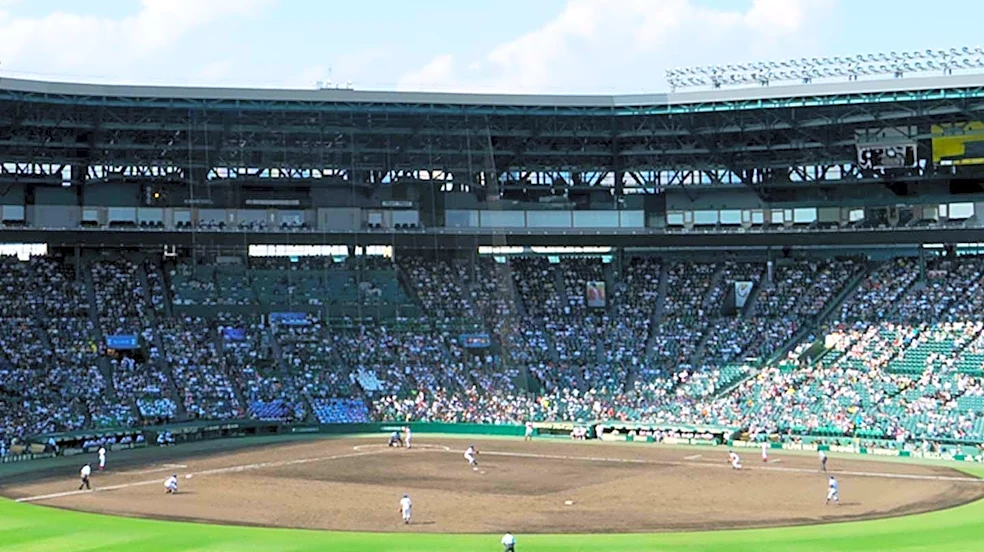
Game 5 of the 1996 World Series held particular significance for the city of Atlanta and its baseball fans, as it was the final game ever played at Atlanta–Fulton County Stadium. This historic venue had served as the home of the Braves for many years, witnessing countless memorable moments. Its closure after the series paved the way for the team's move to Turner Field the following season. The stadium's final World Series game added an emotional layer to the competition, marking the end of an era for a beloved sporting landmark. This transition highlighted the evolving landscape of professional sports venues and the continuous modernization of facilities.
Adding to its unique status, Atlanta became the only city to host both the World Series and the Olympic Games in the same year. Atlanta–Fulton County Stadium, in turn, earned the distinction of being the only stadium to host baseball events in an Olympics and the World Series within the same calendar year. This dual role underscored the city's prominence in the global sports arena during 1996, showcasing its capacity to manage two major international sporting events simultaneously. These unique circumstances made the 1996 World Series a particularly special event for Atlanta.
Administrative Milestones and Leadership Transitions
The 1996 World Series also saw significant administrative milestones within Major League Baseball. The Yankees' victory resulted in general manager Bob Watson becoming the first African-American general manager to win the World Series. This achievement was a groundbreaking moment, breaking barriers and marking an important step forward for diversity in leadership roles within professional sports. Watson's success highlighted the growing recognition of talent and capability across all backgrounds in baseball's front offices.
Furthermore, this series was the last of four consecutive World Series (1992–1996) to be jointly presided over by the presidents of the American and National Leagues, rather than the Commissioner of Baseball. This practice changed with the appointment of Paul Beeston as CEO of Major League Baseball for the 1997 season. Following Game 6, then-American League president Gene Budig presented the Commissioner's Trophy to the Yankees. While then-Chairman of the Executive Committee Bud Selig had presided over trophy presentations in 1995 and would do so again in 1997, he officially became Commissioner in 1998. These details illustrate a period of transition in MLB's top leadership structure, with the 1996 series serving as a final act for a particular administrative arrangement.