







The 2016 Summer Olympics in Rio de Janeiro witnessed a truly historic moment in women's track and field, specifically in the 100 meters hurdles event. For the first time ever, a single nation swept all three medals in this challenging discipline. The United States achieved this remarkable feat, with Brianna Rollins claiming the gold, Nia Ali the silver, and Kristi Castlin the bronze. This unprecedented performance not only highlighted the depth of
American talent in the event but also marked a significant milestone in Olympic history for U.S. women's athletics, setting a new benchmark for national dominance.
A Nation's Dominance on the Global Stage
The United States entered the 2016 Olympic Games with an unparalleled level of dominance in the women's 100 meters hurdles. Heading into the event, American athletes held the top 25 performances globally for the year, and seven of the world's top-ranked hurdlers were from the U.S. This concentration of talent underscored the nation's strength in the event, even though Olympic rules limit each country to only three competitors per event. The sheer depth of the American roster meant that even qualifying for the Olympic team was an immense challenge, often proving more difficult than competing on the international stage.
This formidable presence was further emphasized during the semifinal rounds of the Olympic competition. American athletes showcased their superior form by winning each of the three semifinals, signaling their readiness to contend for top honors. This strong showing in the preliminary stages set the stage for what would become a memorable final, where the American contingent aimed to translate their collective strength into individual medal-winning performances. The consistent high-level execution by the U.S. hurdlers throughout the competition demonstrated their preparedness and competitive edge.
The Unfolding of an Unprecedented Final
The final race itself was a testament to the American athletes' skill and determination. Brianna Rollins quickly established a commanding lead, clearing the first hurdle ahead of her competitors. By the second hurdle, it became clear that Nia Ali was her closest challenger, maintaining a strong pursuit. The battle for the bronze medal was intense, with Kristi Castlin initially finding herself in a tight contest for last place alongside Phylicia George and Cindy Roleder.
However, Castlin demonstrated remarkable resilience and acceleration. Between the fourth and sixth hurdles, Castlin initiated a powerful surge, steadily gaining ground on her rivals. She skillfully passed Pedrya Seymour and Tiffany Porter, and then, over the final hurdle, she overtook Cindy Ofili. Rollins ultimately secured a clear victory, finishing approximately one meter ahead of the field. In a dramatic finish, Castlin closed in significantly on Ali during the final run-in, while Ofili made a desperate lean at the finish line. The outcome solidified the American sweep, with Rollins taking gold, Ali silver, and Castlin bronze, marking a truly historic moment.
A Milestone in Olympic History
The American sweep in the women's 100 meters hurdles at the 2016 Rio Olympics was a landmark achievement, etching its place in the annals of track and field history. While the United States men's team had previously swept the 110 meters hurdles on six separate occasions, this was the first time that the women's 100 meters hurdles event had been swept by any country. This accomplishment was not only significant for the event itself but also represented a broader historical first for U.S. women's athletics.
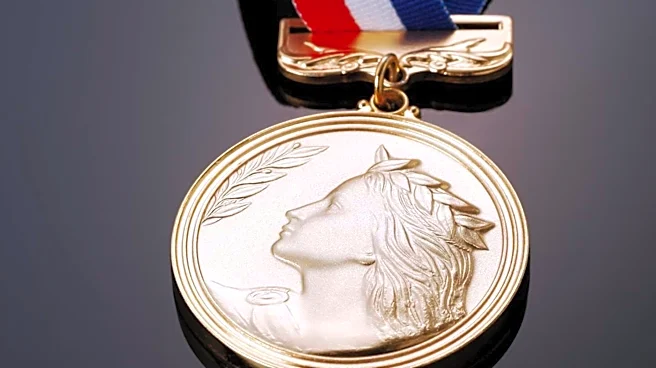
It was the first time that the United States had swept the medals in any Olympic women's track and field event. This achievement highlighted a moment of profound national pride and athletic excellence. The medals were formally presented the following evening by Paul Tergat, an IOC member from Kenya, and Stephanie Hightower, a Council Member of the IAAF, commemorating the extraordinary success of the American hurdlers. This historic sweep underscored the depth of talent and competitive spirit within the U.S. women's track and field program.