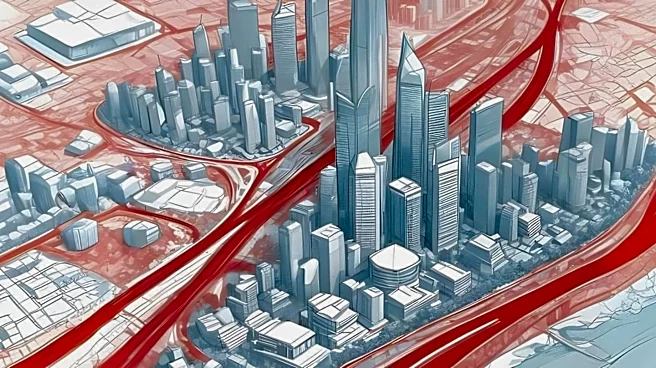



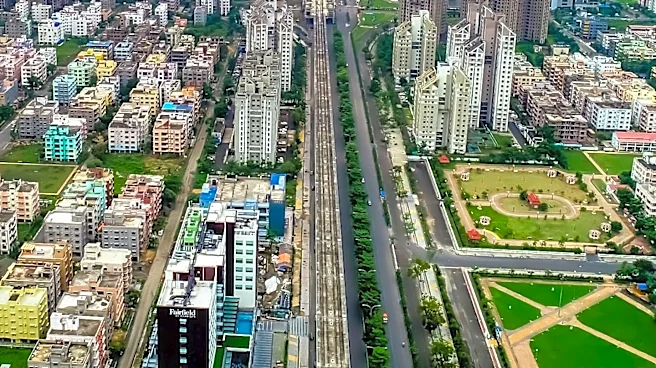


Walt Disney's imagination was boundless, and one of his most ambitious ideas was Progress City, a futuristic urban utopia. This concept was not just a dream but a detailed plan for a community that would showcase the latest in technology and urban planning. Although it never came to fruition as originally envisioned, Progress City laid the groundwork for what would eventually become Epcot Center.
A Utopian Dream
In the 1960s, Walt Disney conceived the idea of Progress
City, a place where 20,000 residents would live in a community that was constantly evolving. The city was designed to be a living laboratory, a place where cutting-edge technology and innovative urban planning could be tested and demonstrated. Disney's vision was for a city that would never be completed, always introducing new materials and systems, and serving as a showcase for American ingenuity and free enterprise.
The layout of Progress City was to be circular, with an urban center at its core. This center would house community buildings, schools, and recreational complexes, surrounded by rings of residential and industrial areas. The entire city would be connected by monorail and PeopleMover lines, with automobile traffic relegated to underground roads to ensure pedestrian safety above ground. This radial plan was heavily influenced by the ideas of British planner Ebenezer Howard and his Garden Cities of To-morrow.
The Influence of Modernist Ideas
Walt Disney's vision for Progress City was deeply rooted in modernist and futuristic ideas. He was inspired by the creative centers of American industry and wanted to create a community that reflected the latest technological advancements. Disney's concept was not just about creating a new kind of city but about demonstrating the potential of American industry and innovation.
The idea of a city that was constantly evolving and never completed was a radical departure from traditional urban planning. It reflected Disney's belief in the power of imagination and innovation to shape the future. Progress City was to be a place where new ideas could be tested and demonstrated, a living testament to the possibilities of the future.
Legacy and Transformation
Although Walt Disney passed away before Progress City could be realized, his vision lived on. The concept of a futuristic city laid the foundation for the development of Epcot Center, a theme park that retained the core spirit of Disney's original idea. Epcot Center was divided into two areas: Future World, which showcased modern innovation through educational attractions, and World Showcase, which highlighted the diversity of human cultures.
While Progress City as Disney envisioned it was never built, its influence is still felt today. The ideas of innovation, imagination, and the potential of technology continue to inspire and shape the development of Epcot and other projects. Disney's dream of a community of tomorrow remains a powerful symbol of the possibilities of the future.