


Robert William Andrew Feller, known by nicknames such as "the Heater from Van Meter," "Bullet Bob," and "Rapid Robert," emerged from a small Iowa town to become one of Major League Baseball's most celebrated pitchers. Born on November 3, 1918, Feller's journey to professional baseball was marked by an extraordinary display of talent at a young age, catching the attention of scouts and leading to an unconventional entry into the big leagues. His early
career, spanning from 1936 to 1941, established him as a formidable force on the mound, setting the stage for a legendary career with the Cleveland Indians.
Feller's athletic prowess was evident long before he donned a professional uniform. As a student at Van Meter High School, he was not only a starting pitcher for the school's baseball team but also the starting center for the high school basketball team. Beyond school sports, he continued to hone his baseball skills with the Farmers Union team in the American Amateur Baseball Congress, where he achieved an impressive record of 19 wins and four losses in one season. By the age of 16, Feller's fastball was already considered to be of high quality by critics, drawing major league scouts to watch him play in national baseball tournaments.
The Scout's Discovery and Unconventional Signing
The exceptional talent of young Bob Feller did not go unnoticed. Major league scouts, including Cy Slapnicka of the Cleveland Indians, traveled to Dayton, Ohio, to witness his pitching. Slapnicka, recognizing Feller's unique abilities, described his fastball as "fast and fuzzy," noting its unusual movement. He also observed Feller's intelligence and courage, concluding that he was witnessing a once-in-a-lifetime arm. This keen observation led Slapnicka to secure Feller for the Indians, reportedly for a mere dollar and an autographed baseball.
Feller's signing was unusual for its time. After his high school semester concluded, he was assigned to the Fargo-Moorhead Twins, a minor league affiliate. However, his path to the majors bypassed the traditional minor league system. Several big league clubs offered signing bonuses with their contract offers after seeing him play, but Feller had already committed to the Cleveland Indians. This direct route to the major leagues, without playing in the minors, was a move that would have typically violated Major League Baseball's rules, as only minor league teams were permitted to sign amateurs to contracts. The circumstances surrounding his signing eventually led to a ruling that made him a free agent, allowing him to officially join the Indians.
Immediate Impact and Record-Breaking Performances
Upon his debut on July 19, 1936, Feller immediately made his mark. Just two weeks later, he tied a single-game strikeout record, previously held by Dizzy Dean, by striking out 17 batters in a win against the Philadelphia Athletics. This remarkable performance signaled the arrival of a new pitching sensation. His rookie year was so impactful that it earned him the distinction of being considered "the best-known young person in America," with the possible exception of child star Shirley Temple.
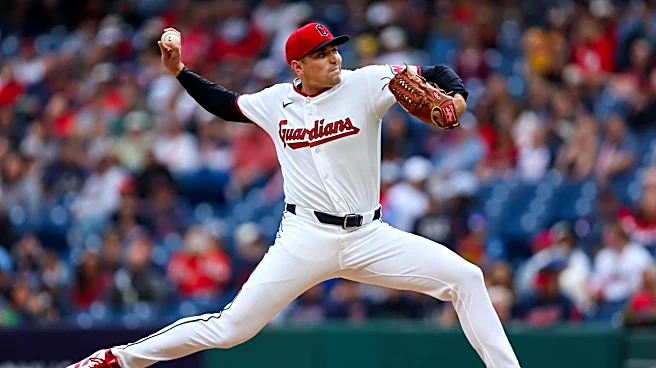
Feller's early career was characterized by a series of record-setting achievements. He became the first pitcher to win at least 20 games in a season before the age of 21. His dominance continued, leading the American League in strikeouts seven times during his career. The sheer power and speed of his pitching were legendary, even leading to a unique test where his fastball was measured against a motorcycle's speed. These early years solidified Bob Feller's reputation as a teenage phenomenon, a pitcher whose raw talent and immediate success captivated the nation and forever changed the landscape of Major League Baseball.