
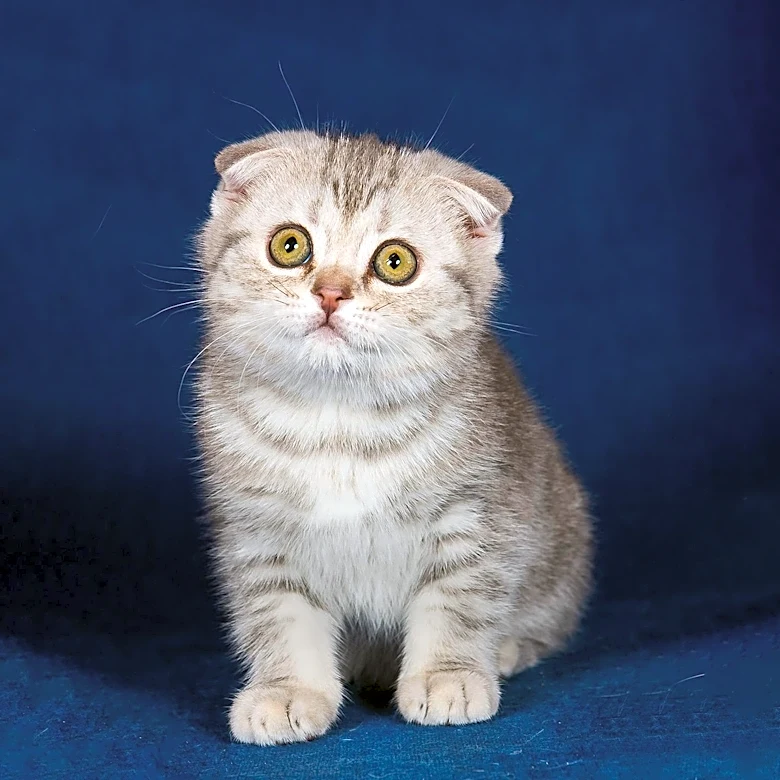



The Norwegian Forest Cat is a breed renowned for its striking appearance and engaging personality. Originating from Northern Europe, this pedigreed domestic cat has evolved a set of unique physical characteristics that reflect its adaptation to a cold climate, alongside a behavioral profile that makes it a cherished companion. From its robust build to its intelligent demeanor, understanding these traits offers insight into what makes this breed so distinctive
and popular, especially across Europe.
A Robust and Resilient Physique
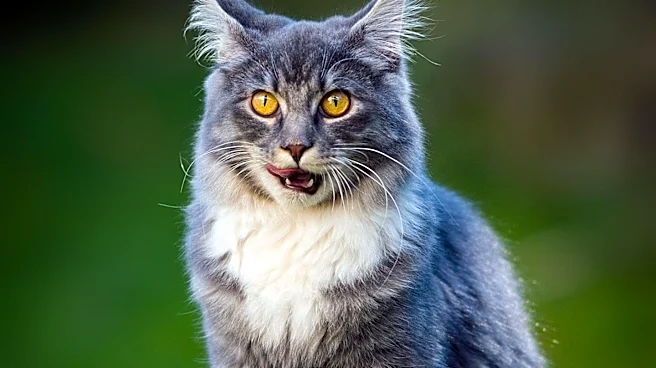
One of the most immediate impressions given by the Norwegian Forest Cat is its size and sturdy construction. It is notably larger than an average domestic cat, with adult females typically weighing between 7.9 and 17.6 pounds (3.6–8 kg), and males being even larger, ranging from 9.9 to 19.8 pounds (4.5–9 kg). This substantial build is complemented by a long, sturdy body, long legs, and a bushy tail, all contributing to its powerful and balanced appearance.
Its most defining physical feature, however, is its coat. Designed for survival in harsh Scandinavian winters, the coat is a double-layered marvel. The outer layer consists of long, thick, glossy, and water-repellent hair, which acts as a protective barrier against moisture. Beneath this lies a dense, woolly undercoat that provides exceptional insulation. This undercoat is particularly thick around the legs, chest, and head, where it forms a prominent "ruff." The overall profile of the breed is generally straight, and its water-resistant coat with a dense undercoat is a direct result of its evolutionary need to survive in a very cold climate.
Beyond its impressive coat, the Norwegian Forest Cat possesses specific facial features that contribute to its unique look. Its head is long and typically forms an equilateral triangle, with a strong chin and a muzzle of medium length. A square or round-shaped head is considered a deviation from the breed standard. The eyes are almond-shaped and set obliquely, and they can be of any color. The ears are large, wide at the base, and set high on the head, often featuring tufted tops and ending with a tuft of hair, reminiscent of a lynx. These ears are placed in line with the extension of the triangular head shape. All coat colors and patterns within the traditional, sepia, and mink categories are accepted, adding to the breed's visual diversity.
Intelligent and Energetic Behavior
Beyond its physical attributes, the Norwegian Forest Cat is known for its engaging behavior. These cats are generally described as friendly and intelligent, making them good companions for people. They possess a considerable amount of energy, which is often expressed through their natural athleticism. Fanciers of the breed often note their distinctive high-pitched "chirping" vocalizations, adding another charming aspect to their personality.
Their strong claws are a key factor in their exceptional climbing abilities. Norwegian Forest Cats are very adept climbers, capable of scaling not only trees but even sheer rock faces. This skill is so pronounced that it is even referenced in Norse legends, which speak of the *skogkatt* as a "mountain-dwelling fairy cat with an ability to climb sheer rock faces that other cats could not manage." While they are naturally inclined to outdoor life and can be swift and effective hunters, the breed also demonstrates a remarkable adaptability to indoor living, making them versatile pets.
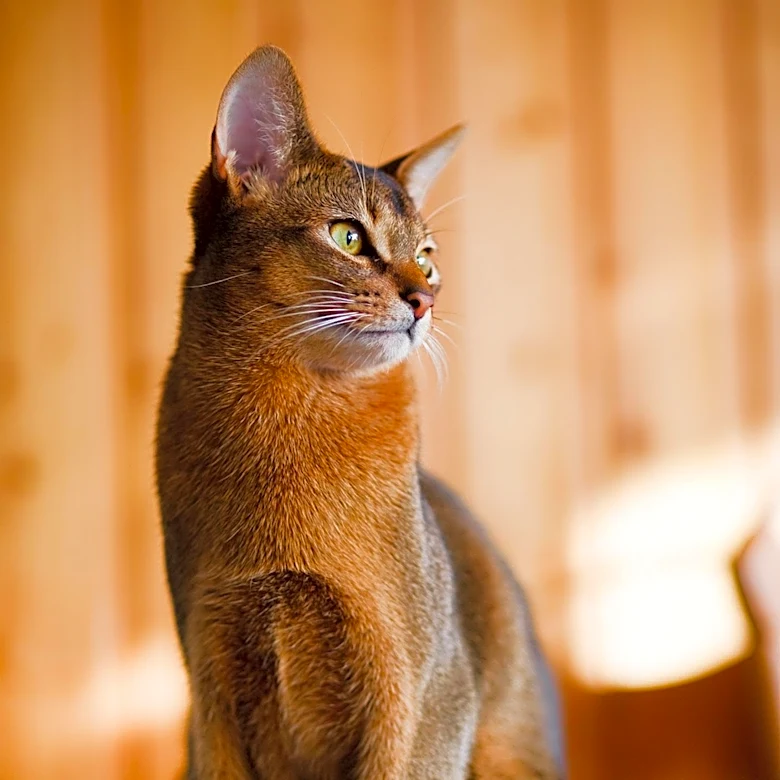
Research has also highlighted some of their inherent behavioral tendencies. A study comparing Norwegian Forest Cat kittens to those of Siamese, Oriental, and Abyssinian breeds found that the Norwegian Forest Cat kittens were more likely to explore their surroundings and attempt to escape. This suggests an innate curiosity and adventurous spirit, traits that align with their historical role as resilient survivors in challenging environments.