







Rooftop solar power systems have become an increasingly popular choice for generating electricity in residential and commercial settings. These systems, which consist of various components, have seen significant changes in cost and accessibility over the years, making them a viable option for many households and businesses.
Key Components of Rooftop Solar Systems
A rooftop solar power system, also known as a photovoltaic (PV) system, includes several essential components that work together
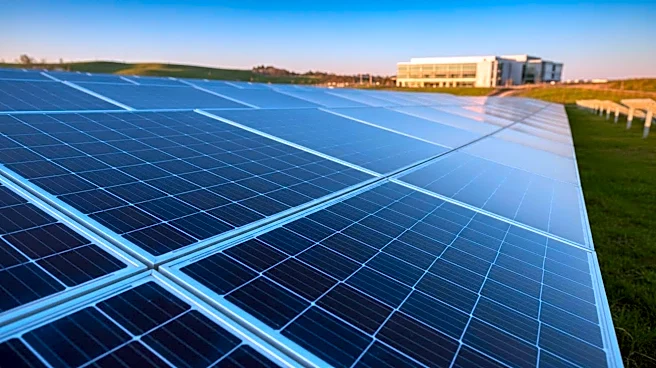
to convert sunlight into electricity. The primary component is the solar panel, which is made up of smaller solar cells, typically silicon-based, that capture sunlight and convert it into electrical energy. These panels are usually protected by tempered glass and secured with an aluminum frame.
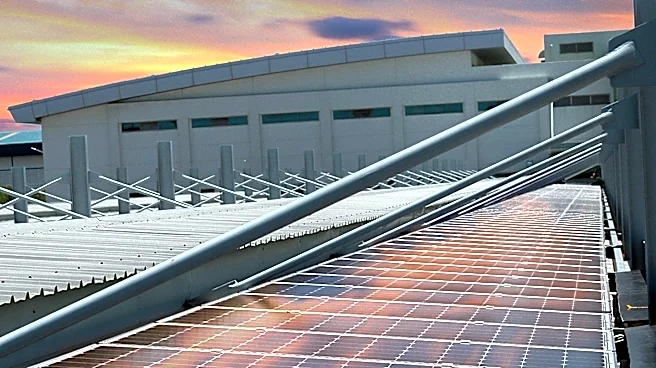
In addition to solar panels, a rooftop solar system includes mounting systems, cables, and solar inverters. The mounting systems, often made of aluminum brackets and stainless steel bolts, secure the panels to the roof. Solar inverters play a crucial role by converting the direct current (DC) generated by the panels into alternating current (AC), which can be used by household appliances.
Other components include battery storage systems, charge controllers, and monitoring systems. These elements help manage the energy produced, store excess energy for later use, and monitor the system's performance to ensure optimal efficiency.
Cost Trends and Financial Incentives
The cost of installing rooftop solar systems has seen a significant decline over the years. In the mid-2000s, solar companies began offering various financing plans, such as leases and power purchase agreements, to make solar power more accessible. These plans allowed customers to pay for their solar panels over time, often with the help of credits from net metering programs.
As of 2017, the average cost of installing a rooftop solar system was around $20,000, a decrease from previous years. By 2019, the national average cost for a 6 kW residential system, after tax credits, was approximately $2.99 per watt. This reduction in cost, combined with federal, state, and local incentives, has contributed to the growing adoption of rooftop solar systems across the United States.
The Future of Rooftop Solar Power
The future of rooftop solar power looks promising, with continued advancements in technology and further reductions in cost. As more households and businesses recognize the benefits of solar energy, the demand for rooftop solar systems is expected to increase. This growth is supported by government incentives and a growing awareness of the environmental benefits of renewable energy.
Rooftop solar power systems offer a sustainable and cost-effective solution for reducing reliance on fossil fuels and lowering carbon emissions. As technology continues to evolve, these systems will likely become even more efficient and accessible, paving the way for a cleaner and more sustainable energy future.