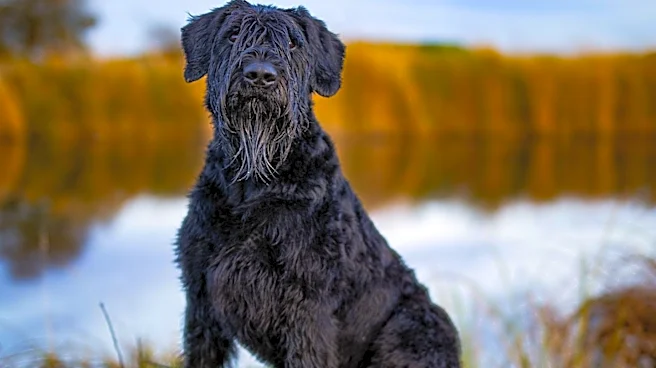

The Newfoundland dog is renowned for its distinctive physical and behavioral traits that set it apart from other breeds. Known for their size, strength, and gentle nature, these dogs have been cherished
as working companions and family pets. This article delves into the unique characteristics that define the Newfoundland dog.
Physical Attributes
Newfoundland dogs are among the largest dog breeds, with males typically standing about 28 inches tall and weighing between 143 to 176 pounds. Females are slightly smaller, but still impressive in size. Their thick, straight coat is one of their most notable features, providing insulation against cold water and harsh weather conditions. This coat, combined with their webbed paws, makes them exceptional swimmers, a trait that has been crucial in their role as water rescue dogs.
The breed's standard colors include black, brown, grey, and white-and-black, although different kennel clubs have varying standards for acceptable colors. The Landseer pattern, named after the artist Sir Edwin Henry Landseer, is particularly popular and features a striking black-and-white coloration.
Temperament and Behavior
Despite their imposing size, Newfoundland dogs are known for their gentle and friendly temperament. They are often described as "gentle giants" due to their calm and patient nature. This makes them excellent family pets, especially in households with children. Their intelligence and eagerness to please also make them highly trainable, although they require consistent and positive reinforcement.
Newfoundlands are known for their loyalty and protective instincts, often forming strong bonds with their families. They are generally good with other animals and are not prone to aggression, making them suitable for multi-pet households. Their natural inclination to rescue and protect is evident in their behavior, as they are often seen "herding" children away from perceived dangers.
Working Abilities
The Newfoundland dog's working abilities are legendary, particularly in water rescue. Their strength, endurance, and swimming skills make them ideal for lifesaving tasks. Historically, they were used by fishermen in Newfoundland to haul nets and retrieve items from the water. Today, they continue to excel in water rescue operations and are often trained for search and rescue missions.
In addition to their water rescue capabilities, Newfoundland dogs are also used in therapy and assistance roles. Their calm demeanor and gentle nature make them excellent therapy dogs, providing comfort and support to those in need. Their intelligence and trainability also make them suitable for various assistance tasks, such as guiding the visually impaired.
The Newfoundland dog's unique combination of physical attributes, temperament, and working abilities makes them a truly remarkable breed. Their contributions to history and their continued role as beloved companions highlight the enduring appeal of these gentle giants.