
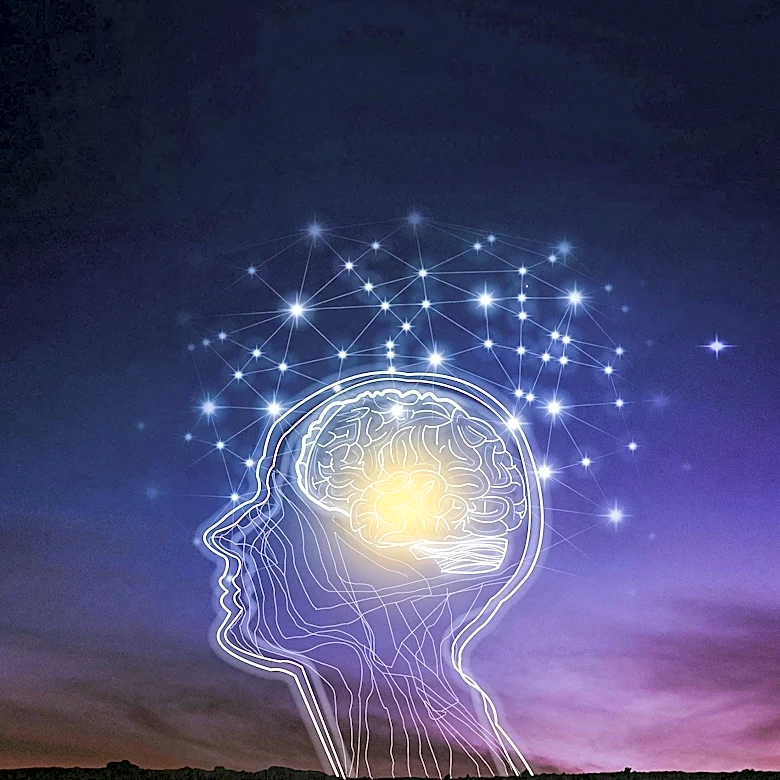





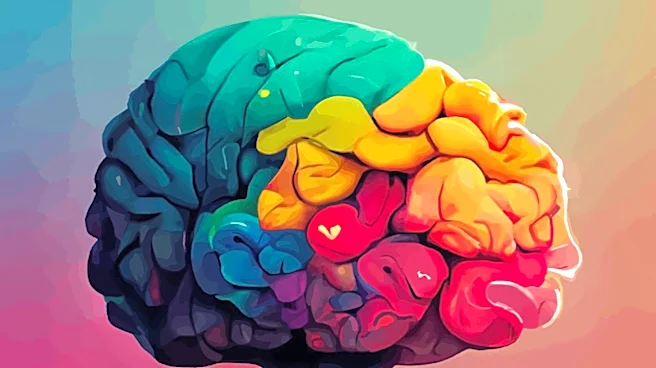


The brain is often likened to a biological computer, a comparison that highlights its ability to acquire, store, and process information. Unlike digital computers, the brain operates through a complex network of neurons and synapses, allowing it to control body functions and respond to environmental changes. This article delves into the brain's structure and function, emphasizing its role as a central organ of the nervous system.
Structure and Function
The brain is composed
of various regions, each with specific roles. The cerebrum, cerebellum, and brainstem are key areas that contribute to its overall function. The cerebrum, with its cerebral cortex, is responsible for higher cognitive functions, including perception, motor control, and learning. It contains billions of neurons, each connected by synapses to thousands of other neurons, forming a vast network for communication.
Neurons communicate through axons and dendrites, transmitting signals via action potentials. These electrochemical pulses travel at speeds of 1 to 100 meters per second, allowing rapid responses to stimuli. The brain's ability to process information is further enhanced by the myelinated axons, which increase signal propagation speed.
Synapses and Communication
Synapses are crucial for brain function, serving as the points of communication between neurons. The human brain contains approximately 100 trillion synapses, each capable of modifying its strength based on activity patterns. This dynamic nature of synapses is believed to be the primary mechanism for learning and memory.
Neurotransmitters released at synapses bind to receptor molecules on target cells, altering their electrical or chemical properties. This process is essential for transmitting signals across the brain and coordinating complex behaviors. The diversity of synaptic functions, including excitatory and inhibitory roles, allows the brain to integrate sensory input and generate appropriate responses.
Centralized Control and Responsiveness
The brain exerts centralized control over the body's organs, generating muscle activity patterns and driving hormone secretion. This control enables coordinated responses to environmental changes, with reflexes mediated by the spinal cord or peripheral ganglia. However, sophisticated behaviors require the brain's information-integrating capabilities.
The prefrontal cortex, particularly well-developed in humans, plays a significant role in executive functions such as planning and attention. This area, along with other brain regions, supports the brain's ability to process complex sensory input and regulate behavior. The brain's centralized control is vital for maintaining homeostasis and ensuring survival in a dynamic environment.