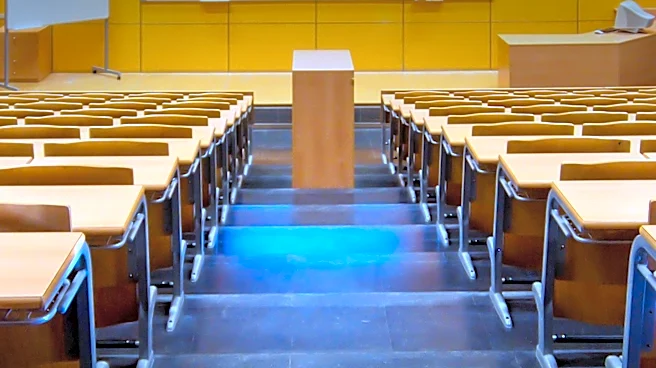












Lectures have been a fundamental part of education for centuries, evolving significantly from their origins in medieval universities to their current form in modern classrooms. This article traces the historical development of lectures, highlighting key changes and adaptations that have shaped this enduring teaching method.
Medieval Origins of Lectures
The concept of lectures dates back to medieval universities, where instructors would read from original texts to students who
diligently took notes. This practice was essential in an era when books were scarce and expensive, making it necessary for knowledge to be transmitted orally. The term "lecture" itself is derived from the Latin word "lectura," meaning "reading," reflecting the method's origins in reading aloud to an audience.
As time progressed, the practice of reading from original sources evolved. Instructors began to read glosses or commentaries on these texts, providing additional context and interpretation. This shift marked the beginning of lectures as a means of not only transmitting information but also offering analysis and insight into complex subjects.
The Transformation in the Twentieth Century
The twentieth century brought significant changes to the lecture format. With the advent of new technologies and teaching aids, lectures began to incorporate multimedia elements such as slides, videos, and graphics. This transformation allowed lecturers to present information in more dynamic and engaging ways, enhancing the learning experience for students.
Despite these advancements, the core structure of lectures remained largely unchanged. Instructors continued to stand at the front of the room, delivering information to a passive audience. However, the introduction of multimedia tools provided opportunities for more interactive and visually stimulating presentations, helping to maintain student interest and attention.
Modern Adaptations and Innovations
In recent years, lectures have continued to evolve, adapting to the changing landscape of education. The rise of online learning platforms and massive open online courses (MOOCs) has led to the development of new lecture formats, such as short video segments and interactive online modules. These innovations allow students to engage with lecture content at their own pace, providing greater flexibility and accessibility.
Additionally, some educators have experimented with "flipped classrooms," where traditional lectures are replaced with pre-recorded videos that students watch outside of class. This approach frees up classroom time for discussions, group work, and other interactive activities, promoting active learning and deeper engagement with the material.
In conclusion, lectures have undergone significant transformations since their medieval origins, adapting to new technologies and educational philosophies. While the format has evolved, the fundamental purpose of lectures—to convey information and facilitate learning—remains unchanged. As education continues to evolve, lectures will likely continue to adapt, incorporating new methods and technologies to enhance the learning experience.