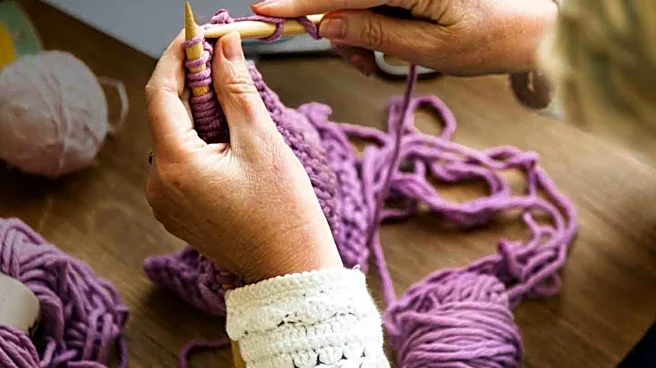







Needlework, the art of creating or decorating objects using a needle, encompasses a wide array of textile arts such as embroidery, knitting, and quilting. This generalized term is often used when the specific type of handcrafted textile art is not identified. Throughout history, needlework has played a significant role in various cultures, evolving from practical necessity to a symbol of refinement and artistic expression. Its development reflects
societal changes, technological advancements, and shifting cultural values, making it a fascinating lens through which to view human history.
Renaissance Ideals and Practical Skills
During the Italian Renaissance, needlework was deeply intertwined with the feminine ideal within the domestic sphere. Young women from all social classes were taught various forms of embroidery, sewing, weaving, and quilting. For those of lower economic status, these skills were essential for practical household duties, contributing to the functionality of their homes. In contrast, women from higher economic strata had the means to invest in more decorative forms of needlework, such as tapestries, which served as artistic expressions and status symbols within their opulent surroundings.
Common themes in Renaissance needlework often included religious narratives, particularly Biblical tales, reflecting the strong influence of the church during this period. Scenes from classical Greek and Roman mythology were also depicted, showcasing a broader cultural appreciation for ancient stories. Beyond narrative pieces, motifs and patterns inspired by the natural world were popular, bringing elements of flora and fauna into domestic spaces. The introduction of the Islamic arabesque design, characterized by its interlocking knots and foliage shapes, also spread across countries through pattern books, finding its way into needlework and painting alike, notably influencing Venetian lace.
Victorian Era: Leisure, Refinement, and Identity
The Victorian age marked another significant period for needlework, where it became an important aspect of women's identity. This era saw a growing middle class with increased leisure time, which fueled the popularity of various needlework forms including embroidery, netting, knitting, crochet, and Berlin wool work. Printed materials provided homemakers with thousands of patterns, making these crafts more accessible and widespread. Despite societal limitations on women's roles, engaging in needlework while entertaining guests in the parlor was considered a beautiful and attractive activity, reinforcing ideals of domesticity and grace.
Fancy work, distinguished from plain sewing, became a hallmark of a prosperous and well-managed home. Displaying handmade needlework was a sign of refinement and good taste. While plain sewing might be delegated to servants, even in middle-class households, fancy work was often undertaken by women themselves, frequently during social gatherings in the afternoons, evenings, or on Sundays. The versatility of needlework during this time was immense, with techniques applied to decorate a vast array of items, from knitted boots and embroidered book covers to footstools, lampshades, sofa cushions, and fans, demonstrating the boundless creativity and dedication of Victorian needleworkers.
Modern Recognition and Educational Institutions
In contemporary times, needlework continues to be recognized for its artistic and cultural value. The Royal School of Needlework, established in 1872, stands as a testament to the enduring legacy of hand embroidery. Located at Hampton Court Palace in London since 1987, this institution plays a crucial role in preserving and advancing the craft. It offers specialized education, including a Hand Embroidery BA (Hons) course in partnership with Kingston University London, ensuring that traditional techniques are passed down while also exploring modern applications.
Beyond formal education, specific forms of needlework have gained international recognition. Balochi needlework, a handicraft created by the Baloch people native to the Balochistan region of South and West Asia, has been acknowledged by UNESCO as a heritage art. This recognition highlights the cultural significance and intricate artistry of such traditional crafts, ensuring their preservation and promoting their international appreciation. The continued existence of such schools and the recognition of heritage arts underscore the timeless appeal and cultural importance of needlework in the modern world.