






Pushrod engines, also known as overhead valve (OHV) engines, have played a significant role in the development of automotive technology. These engines, characterized by their unique valvetrain design, have evolved over the years, adapting to changing demands and technological advancements. This article delves into the historical journey of pushrod engines, highlighting key milestones and their impact on the automotive industry.
Early Beginnings
The concept of the pushrod
engine dates back to the late 19th century. The first prototype of an overhead valve engine was developed in 1894, marking the beginning of a new era in engine design. Unlike flathead engines, where valves were located below the combustion chamber, pushrod engines positioned the valves above the chamber, offering improved efficiency and power.
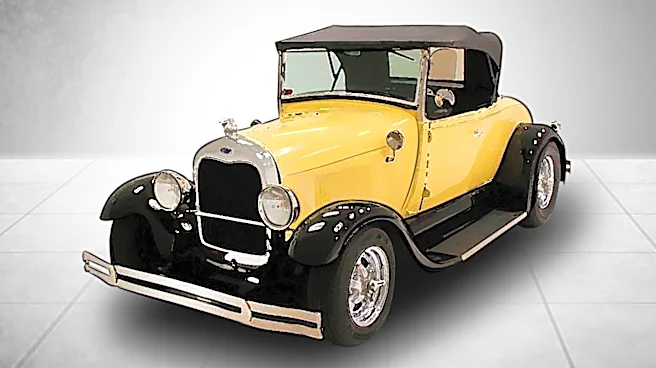
Throughout the early 20th century, pushrod engines gained popularity due to their simplicity and reliability. They became a staple in American automobiles, with manufacturers like Ford and General Motors adopting the design for their vehicles. The straightforward mechanism of transferring camshaft motion to the valves via pushrods and rocker arms made these engines durable and easy to maintain.
Mid-Century Advancements
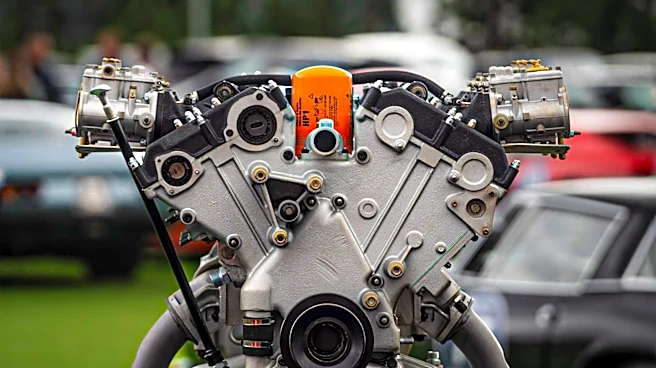
The mid-20th century saw significant advancements in pushrod engine technology. In 1994, the Indianapolis 500 witnessed a remarkable performance by Team Penske, who entered a car powered by a custom-built Mercedes-Benz 500I pushrod engine. Exploiting a loophole in the rules, this engine utilized larger displacement and higher boost pressure, outperforming overhead camshaft (OHC) engines and securing a victory.
During this period, manufacturers began experimenting with cylinder deactivation and variable valve timing to enhance fuel efficiency and reduce emissions. General Motors and Chrysler were at the forefront, integrating these technologies into their pushrod V8 engines. The introduction of variable valve timing in the 2008 Dodge Viper marked a significant milestone, showcasing the adaptability of pushrod engines to modern demands.
Modern Era and Decline
Despite their historical significance, pushrod engines have seen a decline in production in recent years. The rise of overhead camshaft designs, which offer better performance and efficiency, has overshadowed traditional pushrod engines. However, they remain popular in certain applications, particularly in high-performance and racing vehicles.
Today, pushrod engines are celebrated for their durability and power, with enthusiasts appreciating their unique characteristics. While few are still in production, their legacy continues to influence engine design and development. As technology advances, the pushrod engine's historical journey serves as a testament to the innovation and adaptability of automotive engineering.