




The 1963 film "From Russia with Love" marked the second cinematic outing for James Bond, bringing Ian Fleming's popular novel to the big screen. Produced by Albert R. Broccoli and Harry Saltzman and directed by Terence Young, this adaptation faced the challenge of translating a beloved literary work into a compelling visual narrative. While largely faithful to its source material, the film introduced specific changes that shaped its identity and set
precedents for the burgeoning film series, demonstrating the careful balance between honoring the original story and adapting it for a wider audience.
Fidelity to the Source Material
At its core, "From Russia with Love" was a faithful adaptation of Ian Fleming's novel. This commitment to the original story was a significant factor in its critical reception, with many fans considering it among the best Bond films precisely because of its closeness to Fleming's narrative. The film retained the intricate plot involving a Soviet plot to assassinate James Bond and discredit the British Secret Service, centered around a beautiful cipher clerk, Tatiana Romanova, and a coveted decoding device.
The essence of the characters, the high-stakes espionage, and the exotic locales were all preserved, allowing audiences to experience Fleming's world in a new medium. This fidelity helped to satisfy readers of the novels while also introducing new viewers to the complex and thrilling world of James Bond. The film's success in capturing the spirit of the novel contributed to its enduring popularity and critical acclaim.
Key Cinematic Alterations
Despite its faithfulness, the film adaptation of "From Russia with Love" introduced several significant changes from the novel. One of the most notable alterations involved the primary antagonist organization. In the novel, the Soviet counterintelligence agency SMERSH was the main villain. However, for the film, the producers opted to switch the leading villains to SPECTRE, a fictional terrorist organization. This change provided a more consistent and overarching antagonist for the film series, allowing for greater narrative continuity across multiple Bond adventures.
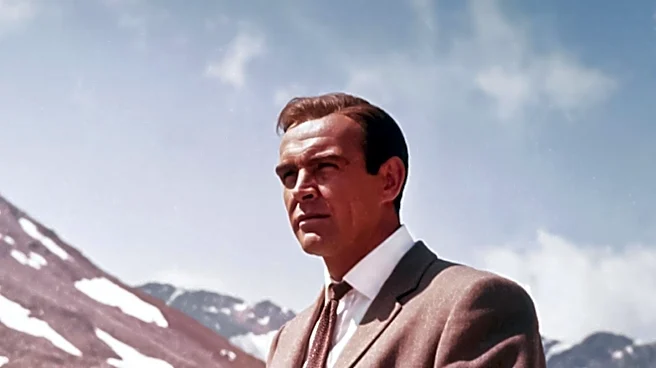
Another crucial modification was made to the ending of the story. In the novel, Bond's fate after an encounter with Rosa Klebb is left ambiguous, with him fighting for breath after being kicked by a poisoned blade. The film, however, explicitly altered the ending to ensure Bond's survival. This decision was vital for the nascent film franchise, as it guaranteed the continuation of Sean Connery's portrayal of James Bond in future installments, such as "Goldfinger" in 1964.
The Role of Music and Production
The film's production also saw significant contributions in the musical realm. The soundtrack featured the iconic title song, which was composed by Lionel Bart and arranged by John Barry. Matt Monro performed the vocal version of the song, which became a memorable part of the film's identity. John Barry, who had arranged Monty Norman's "James Bond Theme" for the previous film, "Dr. No," became the primary soundtrack composer for "From Russia with Love," marking his significant entry into the series.
Barry's involvement as the main composer for this film set the stage for his dominant role in shaping the musical landscape of the James Bond franchise for many years. His arrangements and original compositions helped define the sophisticated and thrilling sound that became synonymous with James Bond, further enhancing the cinematic experience and distinguishing the film from its literary predecessor.