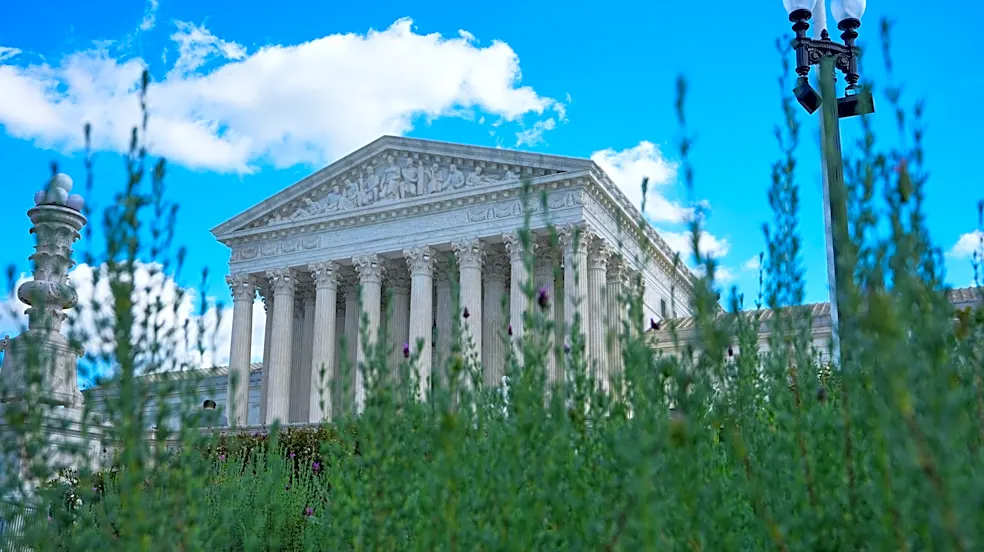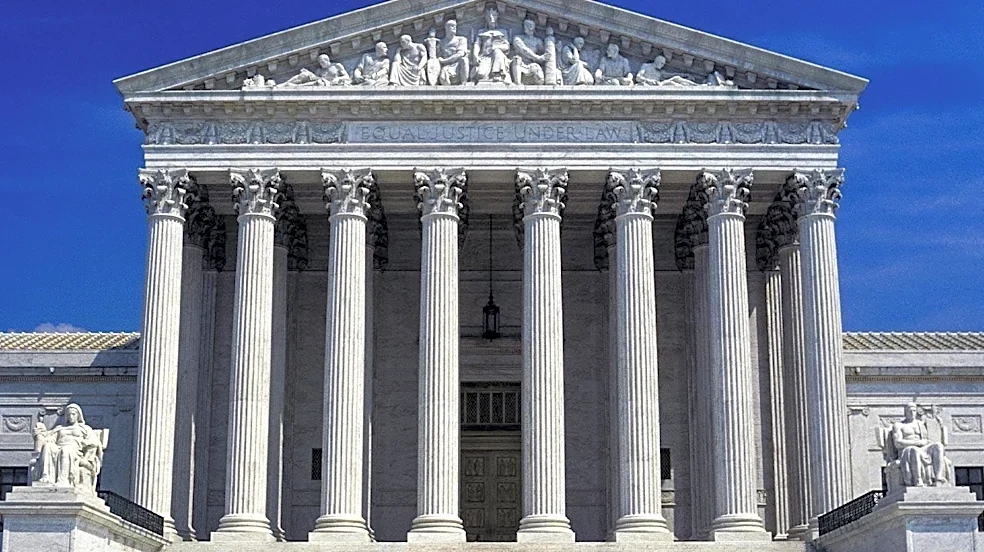








Robert Bork's nomination to the Supreme Court in 1987 ignited a significant political firestorm, becoming a landmark event in the history of judicial appointments. The process was marked by intense partisan debate, strong opposition from various groups, and a highly scrutinized Senate Judiciary Committee review. This nomination ultimately culminated in a decisive rejection by the full Senate, highlighting the increasing politicization of Supreme Court confirmations
in the late 20th century. The events surrounding Bork's nomination set a precedent for future judicial battles, demonstrating the power of organized opposition and the critical role of Senate committees.
Initial Opposition and Committee Review
Even before Robert Bork's official nomination by President Ronald Reagan on July 1, 1987, Senate Democrats had anticipated a conservative appointment and had begun to organize opposition. They assumed that any Reagan appointee to replace the moderate/conservative Justice Lewis Franklin Powell Jr., often a "swing vote" on close decisions, would shift the court significantly to the right. This pre-emptive stance signaled that a contentious fight was imminent. Within 45 minutes of Bork's nomination, Senator Ted Kennedy delivered a nationally televised speech strongly condemning Bork, painting a stark picture of "Robert Bork's America" as a place where civil liberties would be severely curtailed.
The Senate Judiciary Committee, chaired by Senator Joe Biden, played a pivotal role in the nomination process. Biden, who had previously expressed approval of a hypothetical Bork nomination, reversed his stance and declared his opposition soon after the actual nomination. This angered conservatives who questioned his ability to conduct the hearings impartially. The committee's review included extensive public hearings, a practice that had become more common since the 1930s, and involved a pre-hearing investigative stage where committee members and staff prepared by examining Bork's background and relevant issues. Nominees typically undergo "murder boards" or mock-hearings and make "courtesy call" visits to senators' offices during this period.
Confirmation Hearings and Shifting Support
The confirmation hearings themselves were a battleground, partly fueled by strong opposition from civil and women's rights groups. These groups were concerned about Bork's perceived willingness to roll back civil rights rulings and his opposition to the federal government's right to impose standards of voting fairness on states. Bork was also criticized for advocating for what some saw as "disproportionate powers for the executive branch of Government," citing his role in the 1973 "Saturday Night Massacre" where he fired Special Prosecutor Archibald Cox during the Watergate scandal. This act was later ruled illegal by a district court.
During the hearings, Bork's originalist views and his belief that the Constitution does not protect a general "right to privacy" were seen by pro-choice legal groups as a clear indication that he would vote to overturn Roe v. Wade. This led to a significant mobilization of liberal advocacy groups pressing for his rejection. Bork was faulted for his bluntness before the committee, including his criticism of the reasoning behind Roe v. Wade. However, his supporters expressed frustration that some of his more controversial conservative views, previously articulated in his writings, appeared to be moderated during his testimony. Despite the intense scrutiny, Senator Biden received praise for conducting the proceedings fairly and with good humor, framing his opposition around the belief that the Constitution provides rights to liberty and privacy beyond those explicitly enumerated, a view incompatible with Bork's strong originalism.
The Final Senate Vote and Its Impact
On October 6, the Senate Judiciary Committee held two crucial votes. First, a motion to send the nomination to the floor with a favorable recommendation was defeated 5–9. Immediately after, a motion to send the nomination to the floor with an unfavorable recommendation passed 9–5, with Republican Arlen Specter voting with the Democratic majority on both. Following this decisive committee vote, Bork's political support in the Senate rapidly eroded, making his ultimate defeat almost certain. Despite widespread expectations that he would withdraw, Bork announced on October 9 his belief that a full debate and final Senate decision were necessary to prevent the campaign against him from being seen as a success that would be mounted against future nominees.
On October 23, 1987, the full Senate rejected Robert Bork's confirmation by a vote of 58 against and 42 in favor. This marked the most recent instance of the Senate rejecting a Supreme Court nomination after a negative committee report. The seat to which Bork had been nominated was eventually filled by Anthony Kennedy, who was unanimously approved by the Senate 97–0. Unhappy with his treatment during the nomination process, Bork resigned his appellate court judgeship in 1988. The contentious nature of his confirmation hearings and subsequent rejection left a lasting impact, with the term "bork" even entering the political lexicon as a verb meaning to obstruct a nominee through an organized campaign of defamation or vilification.