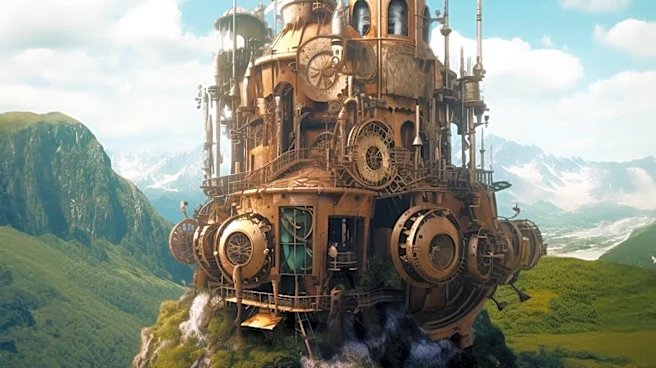









Steampunk is a subgenre of speculative fiction or science fiction that is characterized by its emphasis on anachronistic technology, typically drawing inspiration from the Victorian era. Beyond its literary roots, steampunk has expanded to encompass various artistic styles, clothing fashions, and subcultures, all developed from the aesthetics found in steampunk fiction, Victorian-era literature, Art Nouveau design, and even mid-20th century films.
This genre often blends elements from fantasy, horror, historical fiction, and alternate history, making it a truly hybrid form of storytelling that can explore both alternative futures or pasts and real-world social issues.
The term "steampunk" itself first appeared in 1987. However, its application is retroactive, referring to many works of fiction created much earlier, some dating back to the 1950s or even before. This retrospective labeling highlights how the core elements of steampunk existed long before the genre was formally named. The evolution of steampunk demonstrates how cultural and artistic movements can be recognized and categorized years after their initial manifestations, bringing a cohesive identity to previously disparate works.
The Origins and Evolution of the Term "Steampunk"
The word "steampunk" was coined in 1987, initially as a playful reference to the novels of authors like Tim Powers, James P. Blaylock, and K. W. Jeter. K. W. Jeter, in a 1987 letter to Locus magazine, suggested the term "steam-punks" as a collective descriptor for himself, Powers, and Blaylock, noting his belief that "Victorian fantasies are going to be the next big thing." He referenced his 1979 novel, *Morlock Night*, as a prime example of this "gonzo-historical manner" of writing. This early usage indicates a self-awareness among authors regarding a burgeoning literary trend that combined historical settings with speculative, often anachronistic, technological elements.
By the time William Gibson and Bruce Sterling entered the subgenre with their 1990 collaborative novel, *The Difference Engine*, the term was being used more earnestly. This marked a shift from a jocular reference to a more widely accepted and serious classification for a distinct type of speculative fiction. The increasing recognition and adoption of the term helped solidify steampunk's identity within the broader landscape of science fiction and fantasy, paving the way for its expansion into other cultural forms.
Steampunk's Broader Cultural Impact and Artistic Expression
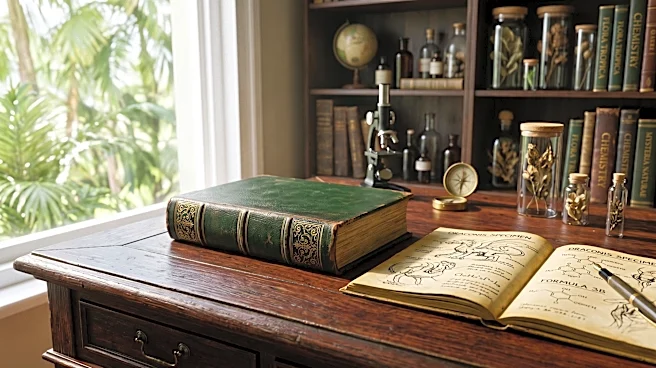
Beyond its literary definition, steampunk has significantly influenced artistic styles, clothing fashions, and subcultures. Modern utilitarian objects are frequently modified by individual artisans to adopt a pseudo-Victorian mechanical "steampunk" aesthetic. This involves incorporating design elements and craftsmanship consistent with the Victorian era, often utilizing materials such as polished brass, iron, and wood. This hands-on approach to creation aligns with the genre's emphasis on intricate, often visible, mechanical workings.
Scholars Rachel Bowser and Brian Croxall highlight one of steampunk's most significant contributions: its ability to blend digital media with traditional handmade art forms. They suggest that the "tinkering and tinker-able technologies within steampunk invite us to roll up our sleeves and get to work re-shaping our contemporary world." This perspective connects steampunk to DIY craft and bricolage artmaking, emphasizing a spirit of invention and customization. The aesthetic has also permeated visual and musical arts, with numerous artists being described as steampunk, further demonstrating its wide-ranging cultural footprint and its capacity to inspire diverse forms of creative expression.