






French fashion has held a prominent position in the global style landscape for centuries, with its design and production becoming significant as early as the 15th century. By the 17th century, fashion had blossomed into a thriving industry, catering to both export and local consumption. This rich history has cemented France's reputation as a center of elegance and innovation, influencing trends and setting standards for designers worldwide. The evolution
of French fashion reflects not only aesthetic changes but also broader societal and economic shifts, from the extravagance of royal courts to the modern concepts of haute couture and ready-to-wear.
Historical Roots and Royal Influence
The historical narrative of French fashion is deeply intertwined with its monarchy and aristocracy. During the 17th century, the French royal court played a crucial role in dictating styles, which were then disseminated through various means, including fashion prints and royal portraits. This period saw fashion explode into a rich industry, with France becoming a key exporter of trends. The 18th century, characterized by the Rococo style and early New Classicism, further showcased the extravagance of the French Royal court. However, the immense debts incurred to maintain these lavish fashion trends, notably impacting Marie Antoinette's reputation, were among the factors that contributed to the French Revolution.
Key figures emerged who shaped this early fashion landscape. Rose Bertin, famously dubbed the 'Minister of Fashion,' served as the dressmaker to Marie Antoinette from 1774 to 1792. Bertin's Parisian shop and her meticulous designs had a considerable influence on French style. Marie Antoinette herself used fashion as a tool for self-expression, contrasting elaborate gowns with unique preferences like masculine riding breeches or simple muslin shift dresses. This groundbreaking approach set a precedent for future monarchs and their designers. Earlier in the 18th century, Françoise Leclerc, the queen's dressmaker, was highly sought after by the French aristocracy, and by mid-century, designers like Marie Madeleine Duchapt, Mademoiselle Alexandre, and Le Sieur Beaulard gained national recognition, expanding their clientele to foreign aristocrats. These early designers laid the groundwork for France's enduring fashion legacy.
From Haute Couture to Global Influence
The 19th century marked a significant transition in French fashion with the specialization into what is now known as haute couture, a term that originated in the 1860s. This era brought a new level of sophistication and "good taste" to fashion terminology. An Englishman living in Paris, Charles Frederick Worth, is often regarded as the first designer in the modern sense, establishing a large fashion house and dictating styles to his clientele, including Empress Eugénie. His ornate gowns, often featuring crinolines, became highly popular, especially after Napoleon III's decree requiring formal dress at court.
The 20th century saw further evolution. The term *prêt-à-porter* (ready-to-wear) emerged in the 1960s, representing a reaction against traditional fashion notions and garment-making processes, and catering to the needs of pop culture and mass media. The period between the two World Wars is often considered the Golden Age of French fashion, with haute couture attracting new clients from the ranks of film actresses, American heiresses, and wives and daughters of wealthy industrialists. Iconic French designers like Coco Chanel revolutionized women's fashion by popularizing the bob hairstyle, the little black dress, and the use of jersey knit, while also elevating costume jewelry and knitwear. Jean Patou and Jeanne Lanvin were also prominent figures, with Patou known for his originality and simplicity, and Lanvin for her skillful use of complex trimmings and diverse product lines.
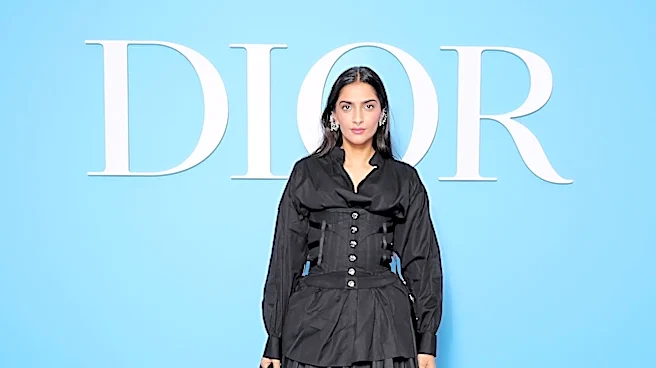
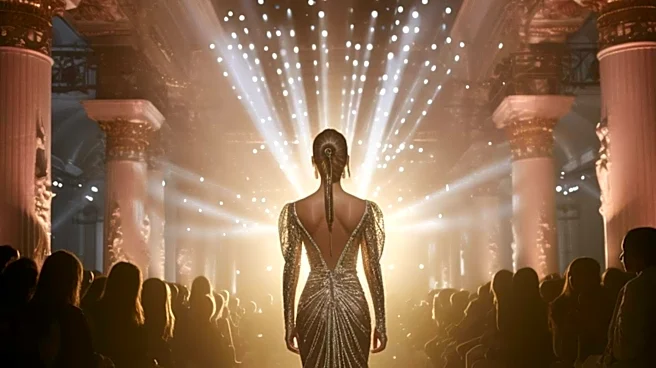
Today, French fashion continues to be defined by influential designers and brands. The list of notable French designers includes Christian Louboutin, Pierre Cardin, Yves Saint Laurent, Roger Vivier, Thierry Mugler, Christian Dior, Jean Paul Gaultier, Hermès, Lanvin, Chloé, Rochas, and Céline. These names represent a continuous legacy of creativity, craftsmanship, and global impact, ensuring that French fashion remains a powerful force in the industry. The city of Paris, in particular, remains a central hub for fashion, hosting renowned fashion shows and serving as a beacon for style and innovation.