



The 1968 Olympics Black Power salute stands as one of the most overtly political statements in the history of the modern Olympic Games. This powerful act of protest, performed by African-American athletes Tommie Smith and John Carlos on the medal podium after their 200-meter race, transcended the athletic arena to become a symbol of the civil rights movement. Their gesture, which included going barefoot, bowing their heads, and raising a black-gloved
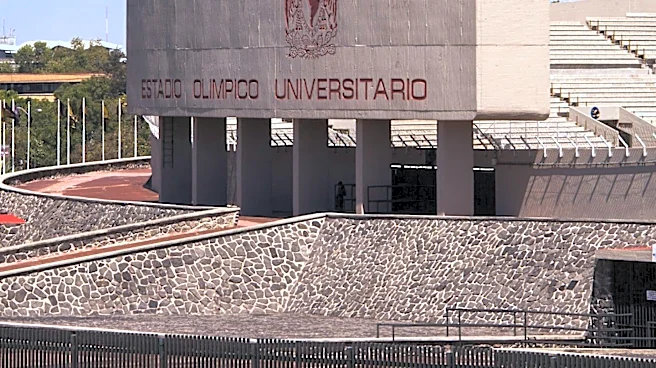
fist, was a direct challenge to racial discrimination and resonated far beyond the University Olympic Stadium in Mexico City where it occurred on October 16, 1968.
The Protest and Its Immediate Aftermath
Tommie Smith, who won the gold medal, and John Carlos, the bronze medalist, used their moment on the global stage to draw attention to human rights issues. Australian silver medalist Peter Norman also participated in a show of solidarity, wearing an Olympic Project for Human Rights (OPHR) badge, an organization whose removal of IOC president Avery Brundage was one of its stated objectives. The protest was captured in an iconic photograph, solidifying its place in history.
International Olympic Committee (IOC) president Avery Brundage, an American, viewed the salute as a domestic political statement that was inappropriate for the apolitical, international forum of the Olympic Games. He ordered Smith and Carlos to be suspended from the U.S. team and banned from the Olympic Village. When the U.S. Olympic Committee initially refused, Brundage threatened to ban the entire U.S. track team, leading to the expulsion of the two athletes from the Games. Despite common misconception, the IOC did not force Smith and Carlos to return their medals. A spokesman for the IOC described their actions as "a deliberate and violent breach of the fundamental principles of the Olympic spirit."
Contrasting Responses and Evolving Recognition
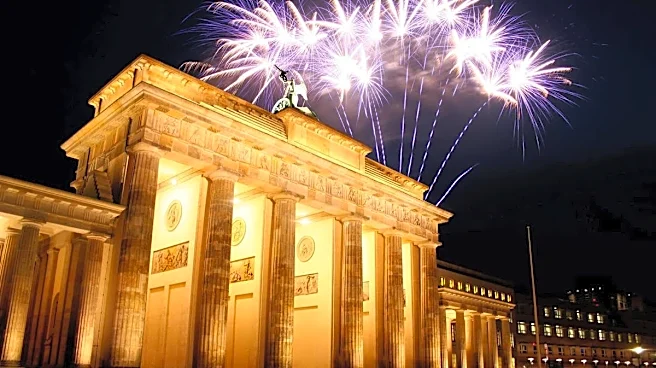
Brundage's stance on the 1968 protest was notably different from his actions during the 1936 Berlin Olympics. As president of the United States Olympic Committee at that time, he had raised no objections to Nazi salutes, arguing that a national salute was acceptable in a competition of nations, while the athletes' salute was not of a nation and therefore unacceptable. Brundage had faced accusations of being a prominent Nazi sympathizer even after World War II began.
Decades later, the perception of the protest began to shift. In 2013, the official IOC website acknowledged the significance of the event, stating that "Over and above winning medals, the black American athletes made names for themselves by an act of racial protest." This statement reflects a broader re-evaluation of the salute's historical importance and its role in advocating for human rights. The protest has been the subject of several documentary films, including "Salute" (2008), written, directed, and produced by Matt Norman, Peter Norman's nephew, and BBC Four's "Black Power Salute" (2008) by Geoff Small. Carlos and Smith were also interviewed in the 1999 documentary "Fists Of Freedom." These films, along with a play titled "Mexico 68: trois hommes, un destin," continue to explore and honor the protest's enduring impact.
Memorials and Continued Influence
The legacy of the Black Power salute is also preserved through various tributes. A monument titled "Victory Salute," commonly known as the Olympic Black Power Statue, was created in 2005 by Portuguese artist Rigo 23. This monument, depicting Smith and Carlos, is installed on the San José State University campus, their alma mater. It consists of two fiberglass statues covered in ceramic tiles, atop a concrete base designed to emulate the Olympic podium. The project was initiated by a San Jose State student in 2002, with fundraising efforts raising over $300,000. The statue was unveiled on October 17, 2005, with Smith, Carlos, and Peter Norman in attendance. In 2008, a plaque was added to the statue to provide historical context, commemorating Smith and Carlos for standing for "Justice, Dignity, Equality, and Peace." This monument, along with murals in West Oakland and Sydney, and a statue in Melbourne, ensures that the powerful message of the 1968 protest continues to resonate and inspire discussions about civil rights and social justice.