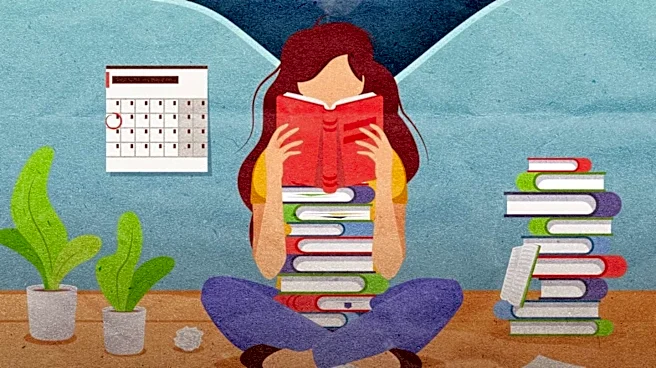




Media literacy education is a structured process designed to advance competencies in understanding and interacting with media. Its core purpose is to promote awareness of media influence and cultivate an active, critical stance toward both consuming and creating media. This educational approach is implemented and studied in numerous countries worldwide, with Finland recognized as a leader due to its significant investments in media literacy. The competencies taught
are largely derived from traditional literacy but are specifically adapted for the modern digital landscape, emphasizing skills like accessing information, analyzing messages, and creating content responsibly.
Goals and Methods of Media Literacy Education
Education for media literacy often encourages individuals to ask critical questions about the media they encounter, whether it's television, video games, photographs, or audio messages. The goals of this education include developing the habits and skills necessary to access, analyze, evaluate, create, and act using all forms of communication. Media literacy education provides tools that help people develop receptive media capability, enabling them to critically analyze messages. It also offers opportunities for learners to broaden their experience of media and develop generative media capability, which enhances their creative skills in producing their own media messages.
Critical analyses within media literacy education can involve identifying the author, purpose, and point of view of media content. It also includes examining construction techniques and genres, analyzing patterns of media representation, and detecting propaganda, censorship, and bias in news and public affairs programming, along with understanding the underlying reasons for these elements. Furthermore, media literacy education may explore how structural features, such as media ownership or funding models, can affect the information presented to the public.
Impact and Broader Implications
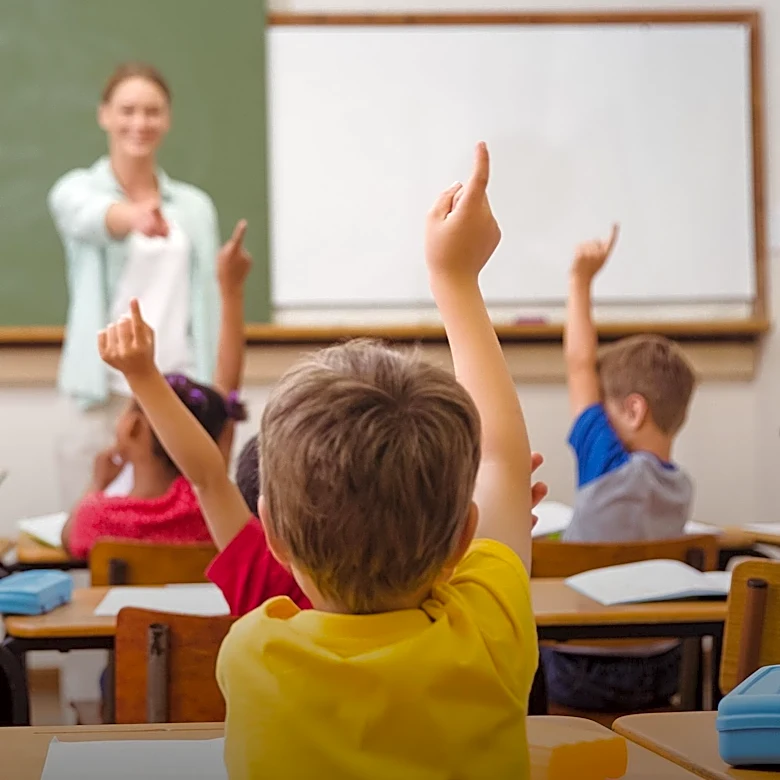
Media literacy education is interdisciplinary by nature and represents a necessary response to the complex and ever-changing electronic environment. Research indicates that media literacy is associated with increased resilience in children and youth, proving effective across various contexts and learning environments. This pedagogical project questions representations of class, gender, race, sexuality, and other forms of identity, challenging media messages that perpetuate oppression and discrimination. Proponents argue that integrating media literacy into school curricula promotes civic engagement, increases awareness of power structures inherent in popular media, and helps students acquire essential critical and inquiry skills.
Media can have both positive and negative impacts on society, but media literacy education empowers students to discern the inescapable risks of manipulation, propaganda, and media bias. A growing body of research, including a meta-analysis of over 50 studies published in the Journal of Communication, has shown that media literacy interventions have positive effects on knowledge, criticism, perceived realism, influence, behavioral beliefs, attitudes, self-efficacy, and behavior. This education can begin in early childhood by fostering critical thinking and deeper analysis of concepts and texts, and as students mature, it becomes impactful in identifying ethical and technical standards in media, as well as understanding how media connects to their cognitive, social, and emotional needs.
Addressing Modern Challenges and Future Directions
In North America and Europe, media literacy encompasses both empowerment and protectionist perspectives. Media-literate individuals can skillfully create and produce media messages, demonstrating an understanding of each medium's specific qualities and participating as active citizens. Media literacy is seen as contributing to an expanded conceptualization of literacy, treating mass media, popular culture, and digital media as new types of 'texts' that require analysis and evaluation. By transforming media consumption into an active and critical process, people gain greater awareness of the potential for misrepresentation and manipulation, and they understand the role of mass media and participatory media in shaping views of reality.
Media literacy education is sometimes conceptualized as a way to address negative dimensions of media, such as manipulation, misinformation, stereotypes, violence, the sexualization of children, and concerns about privacy, cyberbullying, and internet predators. By building knowledge and competencies in using media and technology, media literacy education can provide a form of protection for children and young people, helping them make informed choices about their media consumption habits and usage patterns. This education also encourages critical thinking and self-expression, enabling citizens to exercise their democratic rights decisively and contribute to public discourse, ultimately making sound decisions when electing leaders.