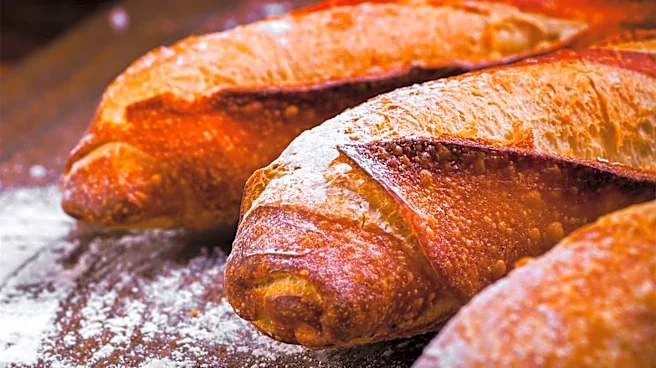






The baguette is far more than just a staple food in France; it is a profound cultural symbol, deeply embedded in the nation's identity and daily life. Its significance is underscored by official recognitions, rigorous competitions, and legal protections designed to preserve its traditional craftsmanship. This cultural importance extends beyond France, making the baguette a globally recognized emblem of French heritage.
A Symbol of French Identity
Outside of France, the baguette
is frequently regarded as a quintessential symbol of French culture. This association with long loaves of bread predates the official naming of the baguette, with long, wide loaves being made since the time of King Louis XIV and long, thin ones since the mid-18th century. By the 19th century, some of these loaves were even longer than today's baguettes, with descriptions of bread six feet long. This long-standing tradition cemented the image of France with its distinctive bread.
The cultural value of the baguette has been formally acknowledged at high levels. In November 2018, the "craftsmanship and culture" surrounding the making of this bread were added to the French Ministry of Culture's National Inventory of Intangible Cultural Heritage. This recognition was further elevated in 2022 when the artisanal know-how and culture of baguette bread were inscribed on the UNESCO Intangible Cultural Heritage Lists, solidifying its status as a globally significant cultural practice.
The Grand Prix de la Baguette: A Quest for Perfection
To celebrate and maintain the high standards of baguette production, France hosts an annual competition known as Le Grand Prix de la Baguette. Initiated in April 1944, this competition aims to identify who makes the best baguettes in the country. Each year, nearly 200 bakers participate, presenting their creations to a panel of 14 judges. These judges follow strict guidelines, evaluating the baguettes based on several criteria: baking quality, appearance, smell, taste, and the texture of the crumb.
The stakes of this competition are considerable. The winner not only receives a prize of €4000 but also earns the prestigious honor of supplying the French president with their daily bread for an entire year, until a new winner is chosen. This tradition highlights the national pride associated with the baguette and the dedication to preserving its quality and artisanal heritage.
Protecting Tradition: Le Décret Pain
Following the World Wars, there was a shift in baguette production towards whiter, softer loaves that fermented faster and used more additives, often at the expense of taste. This period also saw an increase in the use of pre-made dough and molds, contributing to a decline in overall bread consumption. In response to these changes and to safeguard the traditional quality of French bread, the French Parliament passed Le Décret Pain (The Bread Decree) in 1993.
This decree established stringent regulations. It mandated that breads sold under the name pain maison (homemade bread) must be